
Climbers' Safety Dilemma: Balancing Risk and Responsibility

A tragic accident has ignited discussions on the extent of climbers' duty to protect each other on the mountain. Mountaineers weigh in on the complex issues of personal risk and group accountability.
The tragic death of a climber during a group expedition has reignited debates over the personal responsibility and safety obligations that mountaineers have towards each other. The case, which has sparked discussions in the climbing community, underscores the delicate balance between individual risk-taking and collective duty of care.
The incident occurred when a woman fell to her death while climbing a treacherous peak with a group of experienced mountaineers. While the exact details are still under investigation, the circumstances have prompted soul-searching among climbers about the extent to which they are accountable for one another's wellbeing in these inherently dangerous pursuits.
Mountaineers argue that each climber must ultimately be responsible for their own decisions and actions on the mountain. Risk is an integral part of the sport, and individuals have the freedom to assess and accept that risk for themselves. However, others contend that when climbers form a roped party, they assume a level of responsibility for each other's safety.
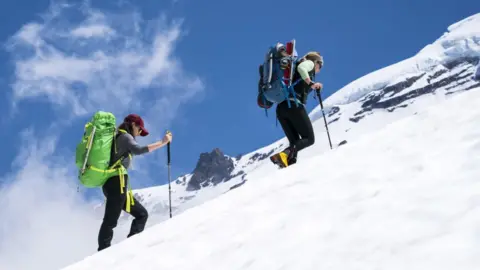
"There's no doubt that when you're roped up with someone, you have a duty of care," says experienced mountaineer Alex Roddie. "If you see your partner in distress or in a dangerous situation, you have an obligation to try and help them."
But Roddie also acknowledges the complexities involved, noting that "it's not always possible to prevent an accident, and sometimes the best option is to call for outside rescue." The question then becomes: where exactly does that line of responsibility lie?
For some, the answer lies in the level of training and experience within the climbing party. Seasoned mountaineers may feel they can reasonably expect a higher standard of self-reliance and risk management from their peers. Whereas with less experienced climbers, there may be a greater onus on the group to ensure everyone's safety.
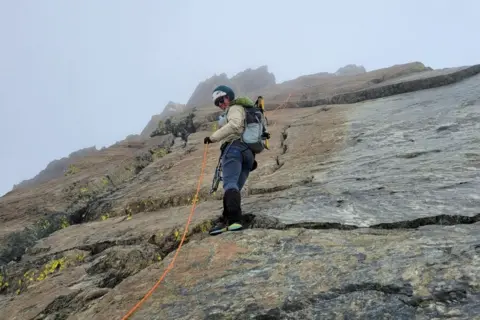
"If you're climbing with a bunch of novices, you have to be more vigilant and proactive about looking out for each other," says veteran climber Sarah Thompson. "But if it's an expert team, you can maybe assume a little more individual responsibility."
Ultimately, the debates highlight the complex intersection of individual liberty, shared accountability, and the inherent dangers of mountaineering. As the climbing community grapples with this tragedy, it serves as a sobering reminder of the delicate balance that must be struck on the mountains.
"No one wants to see anyone get hurt or killed," Roddie reflects. "But we also have to respect that people make their own choices when they step onto the mountain. It's a very difficult issue with no easy answers."
Source: BBC News


