
CNN Founder Ted Turner Dies at 87

Media pioneer Ted Turner, who revolutionized news broadcasting by launching CNN in 1980, has died at age 87. Learn about his legacy.
Ted Turner, the visionary media entrepreneur who fundamentally transformed the landscape of television news and established the 24-hour news cycle that continues to define modern broadcasting, has passed away at the age of 87. The broadcasting legend's death marks the end of an era in American media history, closing a chapter that saw the rise of round-the-clock news coverage and the birth of a new model for delivering current events to audiences worldwide.
Turner's most significant contribution to global media came in 1980 when he launched the Cable News Network, commonly known as CNN, from its headquarters in Atlanta, Georgia. At a time when network television was dominated by the traditional three major broadcasters—ABC, CBS, and NBC—each offering only brief news segments during scheduled evening broadcasts, Turner's vision of continuous news programming was considered audacious and potentially unsustainable by industry skeptics. However, his bold bet on 24-hour news coverage ultimately proved prescient, fundamentally reshaping how millions of people around the world consumed information about current events and breaking news.
Before his revolutionary entry into the news business, Turner had already established himself as a formidable force in American media and business. He took over his family's billboard advertising company and transformed it into a communications empire, acquiring and building various television stations and networks. His ownership of the Atlanta Braves baseball team and the Atlanta Hawks basketball team demonstrated his broad interests across entertainment and sports. These ventures provided Turner with the capital, experience, and vision necessary to pursue his most ambitious project: creating a news network that would operate continuously, 24 hours a day, seven days a week.
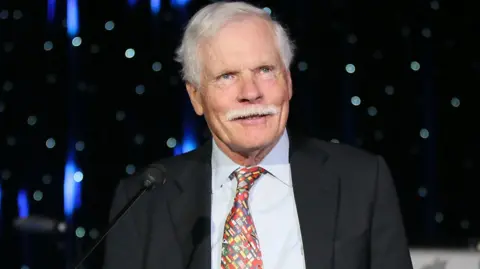
The creation of CNN represented a dramatic departure from conventional broadcasting wisdom at the time. Industry observers initially dubbed it the "Chicken Noodle Network," skeptical that there was enough news to fill such an extensive schedule. Critics questioned whether viewers would tune in to continuous news programming or if advertisers would support such an unconventional model. Despite these doubts, Turner pressed forward with his vision, investing heavily in infrastructure, hiring experienced journalists, and establishing news bureaus across the globe to ensure CNN could deliver up-to-the-minute coverage from virtually anywhere on Earth.
CNN's early years saw the network establish itself as the go-to source for breaking news and international coverage. The network gained prominence during major news events, including the Iranian hostage crisis and the 1981 assassination attempt on President Ronald Reagan. However, it was CNN's comprehensive coverage of the Gulf War in 1991 that solidified the network's position as a leading news organization. The network's ability to provide live, continuous coverage of the conflict from Baghdad and other locations around the world while traditional networks were still operating on scheduled news broadcasts showcased the advantages of Turner's 24-hour model.
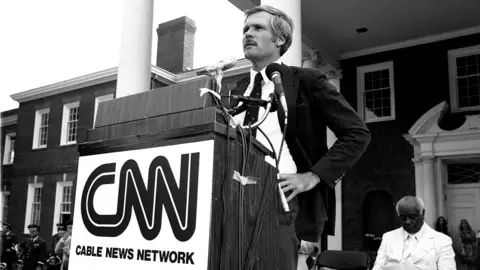
Beyond CNN, Turner's influence on media and culture extended into numerous other ventures. He founded Turner Broadcasting System, which became a major player in the entertainment industry, producing and distributing content across multiple networks and platforms. His vision extended to environmental conservation and philanthropy, as evidenced by his establishment of the Turner Foundation and his significant donations to various causes, including the United Nations and nuclear non-proliferation initiatives. Turner was a man of diverse interests who used his wealth and platform to advance causes he believed in.
Turner's personal life attracted significant media attention throughout his career. His marriages, business dealings, and public statements were frequently covered by the very news outlets he had helped transform. Known for his outspoken nature and willingness to take unconventional positions on business and cultural matters, Turner cultivated a larger-than-life persona that made him one of the most recognizable figures in American business and media. His competitive spirit and entrepreneurial drive were evident in everything he undertook, from his early days building his father's billboard company to his later philanthropic endeavors.
The impact of Turner's 24-hour news network cannot be overstated when considering the evolution of modern media. His creation established a template that other networks would eventually follow, including MSNBC and Fox News, each building on the foundation that CNN established. The news broadcasting revolution that Turner initiated fundamentally changed the expectations audiences had about accessing information, setting new standards for immediacy, comprehensiveness, and global reach. Today, the concept of continuous news coverage is so ingrained in our media landscape that it's difficult to imagine a time when such programming seemed impossible or undesirable.
Turner's legacy also encompasses his role in shaping the careers of numerous journalists and media professionals who launched or advanced their careers at CNN. The network became a training ground for talented broadcasters, producers, and reporters who went on to influential positions across the media industry. His commitment to hiring skilled journalists and allowing them the resources to pursue significant stories helped establish CNN's reputation for serious journalism, even as the network was criticized by some for its sensationalistic approach to news coverage.
In his later years, Turner remained active in business and philanthropy, though he stepped back from day-to-day operations at CNN and Turner Broadcasting after the merger with Time Warner in 1996. He continued to speak out on issues he cared about, from climate change to renewable energy, demonstrating that his entrepreneurial spirit and passion for innovation extended beyond the realm of media and entertainment. His influence on popular culture, business practices, and the media industry ensured that his contributions would be remembered long after his retirement from active business operations.
The media pioneer's passing represents a moment for reflection on how dramatically the news industry has evolved since CNN's founding. The rise of digital media, social networks, and streaming platforms has further transformed how people consume news, yet the foundational concept that Turner introduced—the idea that news should be available continuously and comprehensively—remains central to modern media. His vision of making news accessible to the masses at any hour has been vindicated by subsequent technological and cultural developments, even as the specific methods of delivery have undergone revolutionary changes since 1980.
As the media industry mourns the loss of Ted Turner, tributes have poured in from colleagues, competitors, and journalists who recognized his outsized impact on their profession. Many have noted that while CNN and the concept of 24-hour news networks may no longer seem revolutionary, understanding their revolutionary nature requires remembering the media landscape of 1980, when Turner's vision seemed almost impossibly ambitious. His death closes an important chapter in the history of American media, but his influence on how news is gathered, packaged, and delivered to audiences worldwide will undoubtedly persist for generations to come.
Source: BBC News


