
Coal Pollution Drastically Reduces Solar Power Output

New research reveals coal-derived aerosols significantly diminish solar panel efficiency worldwide, cutting hundreds of terawatts annually from clean energy production.
Coal combustion represents one of the most environmentally damaging energy sources in modern use. Beyond its well-documented role in climate change, coal pollution generates substantial carbon emissions relative to energy output while releasing hazardous byproducts including sulfur dioxide aerosols, nitrogen oxides, and nitrous oxides into the atmosphere. The residual coal ash left behind from combustion processes contains elevated concentrations of toxic heavy metals including mercury, arsenic, and lead. Epidemiological studies consistently demonstrate that the public health advantages gained from transitioning away from coal-based power generation substantially outweigh the capital expenditures required for new renewable energy infrastructure installation and deployment.
However, emerging scientific evidence now illuminates an additional dimension to coal pollution impacts that extends beyond direct human health consequences. Groundbreaking research indicates that airborne aerosols—both naturally occurring and anthropogenic in origin—exert a measurable suppressive effect on solar energy generation capacity globally. According to the findings, this atmospheric interference results in the loss of hundreds of terawatts of potential annual energy production from solar installations worldwide. A significant proportion of these problematic aerosols originates directly from coal combustion processes, establishing a previously underappreciated connection between fossil fuel pollution and renewable energy performance degradation.
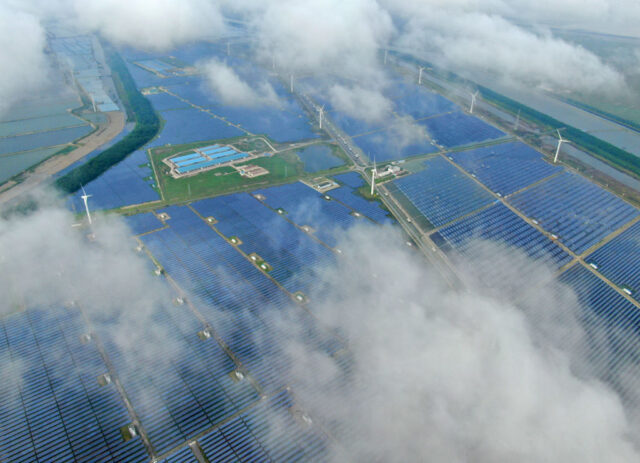
The implications of this research are particularly significant given the accelerating global transition toward renewable energy sources. Understanding the mechanisms through which coal-derived aerosols interfere with solar panel efficiency could reshape energy policy decisions and climate mitigation strategies worldwide. The findings suggest that reducing coal consumption delivers benefits that extend far beyond conventional pollution reduction metrics, potentially preserving substantial quantities of renewable energy output that would otherwise be diminished by atmospheric contamination.
Mapping Solar Capacity Through Advanced Technology
The groundbreaking research was conducted by scientists at a leading UK research institution, utilizing a sophisticated methodological approach grounded in comprehensive spatial data analysis. The foundation of their work rested upon developing the most extensive global solar facility inventory ever assembled. Rather than relying exclusively on existing databases, the research team employed cutting-edge artificial intelligence algorithms to systematically analyze high-resolution satellite imagery, identifying previously unmapped or inadequately documented solar installations across diverse geographic regions and climatic zones.
The comprehensive inventory construction methodology incorporated multiple complementary data sources to maximize accuracy and completeness. Established solar facility databases provided baseline information about known major installations, while AI satellite image analysis enabled identification of smaller-scale distributed solar systems that might otherwise escape traditional cataloging efforts. Crowdsourced geographic data contributed additional location verification, allowing researchers to cross-reference installations reported by local communities and industry observers. This multi-layered approach created an unprecedentedly detailed picture of global solar energy infrastructure distribution.
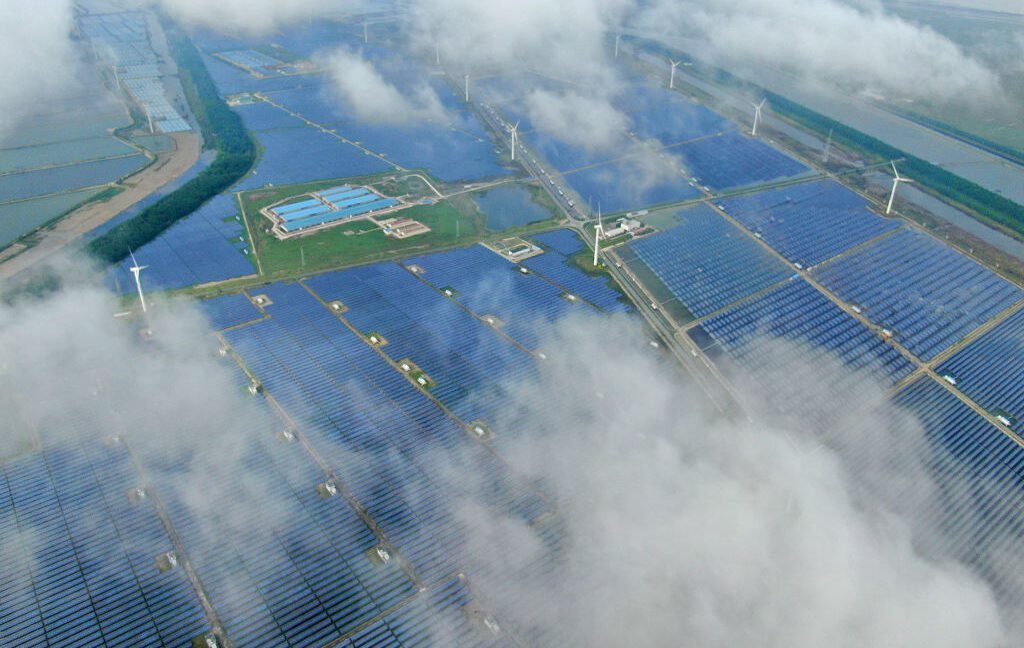
Once the solar facility locations were precisely mapped, researchers deployed additional analytical techniques to characterize each installation's physical dimensions and operational capacity. Detailed analysis of satellite imagery enabled accurate size measurements of individual solar arrays, from utility-scale megawatt installations down to distributed rooftop systems. These dimensional assessments provided the fundamental data necessary for estimating each facility's theoretical power generation potential under optimal atmospheric conditions.
The research team then leveraged location-specific meteorological data to refine their power production estimates. By integrating satellite-derived weather information tied to precise geographic coordinates, scientists could model how local atmospheric conditions, cloud cover patterns, and seasonal variations affected actual energy generation at each facility. This sophisticated integration of spatial data, satellite imagery, and weather information created a dynamic model capable of estimating real-world solar production patterns with substantially greater accuracy than previously possible.

Quantifying Aerosol Impact on Energy Production
The core findings of this research demonstrate that atmospheric aerosols significantly reduce solar efficiency through multiple physical mechanisms. When suspended aerosol particles accumulate in the atmosphere, they scatter and absorb incoming solar radiation before it reaches photovoltaic panels at ground level. This phenomenon, scientifically understood as aerosol optical depth, directly reduces the quantity of usable solar radiation available for conversion to electrical energy. The cumulative global impact of this interference is enormous—the research quantifies annual energy losses in the hundreds of terawatt range, representing a substantial fraction of total solar generation capacity.
Coal-fired power generation constitutes a major source of the aerosol pollution responsible for diminishing solar output. When coal burns in power plants, it releases sulfur dioxide and nitrogen oxides that undergo atmospheric chemical transformations, ultimately forming aerosol particles suspended in the air column. These coal-derived aerosols persist in the atmosphere for extended periods, creating persistent haze layers that obstruct solar radiation transmission. The geographic distribution of coal-fired power plants therefore creates regional patterns of aerosol pollution that demonstrably correlate with reduced solar panel performance in affected areas.
Beyond coal combustion, the research identifies other significant aerosol sources contributing to solar efficiency degradation, including natural phenomena and anthropogenic activities from numerous economic sectors. Desert dust mobilized by wind patterns, sea salt aerosols from ocean surfaces, and industrial emissions from manufacturing processes all contribute to the overall atmospheric aerosol burden. However, the research specifically highlights coal-derived pollution as a particularly consequential controllable source, since reducing coal consumption would simultaneously improve air quality, reduce greenhouse gas emissions, and enhance the productivity of installed solar capacity.
Implications for Energy Policy and Climate Strategy
These findings introduce a compelling new dimension to the economic and policy arguments favoring coal phase-out initiatives. Previous cost-benefit analyses of coal retirement predominantly emphasized health benefits derived from reducing fine particulate matter, nitrogen dioxide, and sulfur dioxide exposure among human populations. The quantified health benefits from eliminating coal combustion typically substantially exceeded the capital costs of constructing replacement renewable energy generation capacity, even before considering climate change impacts. However, this research demonstrates additional economic advantages accruing from coal retirement that were previously unquantified.
By reducing atmospheric aerosol concentrations through coal combustion cessation, societies could substantially enhance the productivity and economic value of existing solar installations. For utilities and commercial solar operators, improved solar panel efficiency translates directly into increased revenue generation from clean energy production. This creates an additional financial incentive layer supporting accelerated coal phase-out timelines, as coal retirement becomes economically attractive not only for health and climate reasons, but also for maximizing renewable energy infrastructure performance. The interconnection between coal pollution and renewable energy efficiency highlights how environmental challenges are deeply interconnected.
The research also suggests that policymakers implementing solar energy expansion initiatives should simultaneously prioritize aerosol pollution reduction to maximize returns on renewable energy investments. This perspective reframes air pollution control from an ancillary environmental objective into a direct economic optimization strategy for renewable energy systems. Jurisdictions seeking to maximize solar generation output and improve return on investment for solar infrastructure should consider coordinated policies addressing both solar installation expansion and aerosol source reduction concurrently.
Looking forward, this research pathway opens new investigative directions examining how specific pollution sources affect renewable energy infrastructure performance. Future studies could quantify similar interference patterns between air pollution and other renewable energy technologies, including wind power generation. Understanding these interconnections between environmental pollution and clean energy system performance could fundamentally reshape how societies conceptualize environmental protection, economic efficiency, and energy transition strategies moving forward.
Source: Ars Technica


