
Cocaine Smuggling Scheme Hidden in Xerox Printers Busted

Australian authorities bust major drug trafficking plot as three men sentenced for attempting to smuggle 49 lbs of cocaine hidden in Xerox printers worth millions.
In a remarkable case that highlights the creative—and often bizarre—methods employed by drug traffickers, four Australian men have demonstrated just how far criminal organizations will go to evade detection. What might seem like an unusual attempt at international smuggling has resulted in serious criminal charges and prison sentences that serve as a cautionary tale for law enforcement agencies worldwide.
According to official statements released jointly by the Australian Federal Police (AFP) and the Australian Border Force (ABF), three individuals have been convicted and sentenced for their roles in an elaborate scheme to import significant quantities of cocaine smuggling into the country. The operation involved the use of five commercial Xerox printers as concealment vessels, demonstrating the lengths to which organized crime syndicates will go to circumvent border security measures and customs inspections.
The seized contraband totaled approximately 22.4 kilograms, which translates to roughly 49.4 pounds of pure cocaine. This substantial quantity represented an enormous street value in the Australian market, with estimates placing the drug's worth somewhere between 9.3 million and 12.4 million Australian dollars, or between $6.7 million and $9 million in United States currency. The sheer value of the interdicted shipment underscores the scale of international drug trafficking operations targeting Australia and similar developed nations.

When Australian news outlets initially reported on this case in 2019, the details of the sophisticated smuggling technique captured significant public and media attention. The plan involved hollowing out or otherwise modifying five standard office Xerox printers to serve as hidden compartments for the illegal narcotics. This approach represents a particularly cunning methodology, as office equipment shipments typically receive less intensive scrutiny than packages suspected of containing contraband or other illicit materials.
The targeting of office equipment smuggling as a delivery method reveals how criminal enterprises constantly adapt their tactics in response to law enforcement countermeasures. Traditional smuggling routes and methods are increasingly monitored, forcing traffickers to develop more creative concealment strategies. The use of everyday commercial products—in this case, Xerox printers—serves to obscure the true nature of shipments and potentially reduce suspicion among customs officials and border authorities.
Australian border security officials have long emphasized their commitment to intercepting illegal drug importations before they can reach distribution networks on the street. The success in detecting and stopping this particular shipment demonstrates the effectiveness of intelligence-sharing between agencies and the value of maintaining vigilance across multiple border checkpoints and inspection facilities. The interception of the 22.4-kilogram shipment prevented a significant quantity of a dangerous and addictive substance from entering the Australian marketplace.
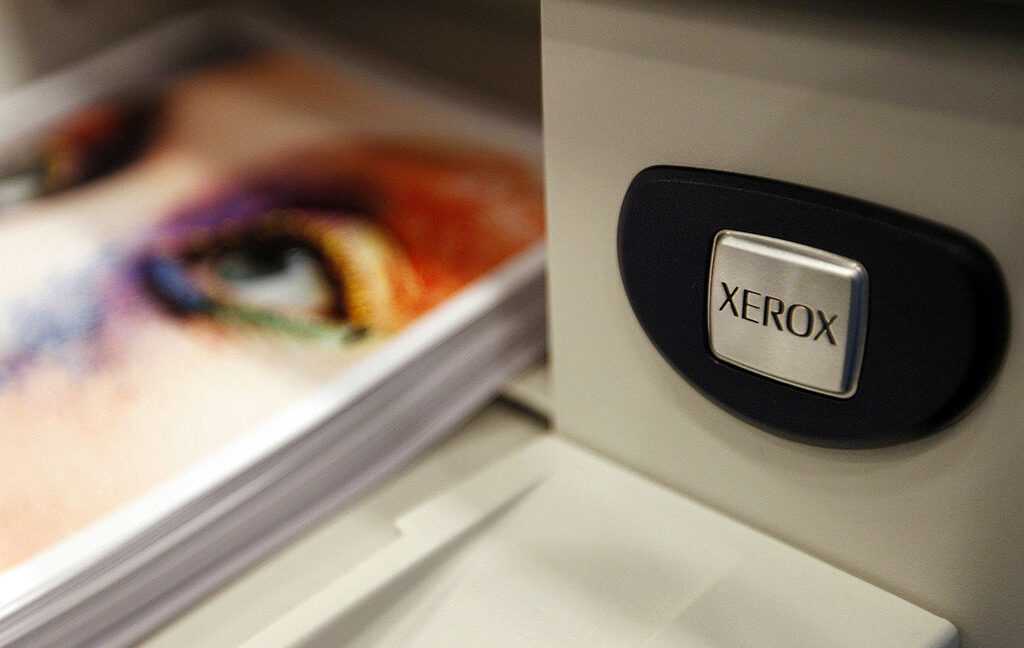
The sentences handed down to the three convicted individuals reflect the serious nature of international drug trafficking charges under Australian law. Courts in Australia maintain strict penalties for those convicted of importing Schedule I controlled substances in commercial quantities. The conviction and sentencing process demonstrated the country's unwavering commitment to prosecuting those involved in large-scale drug importation schemes, regardless of the creative methods employed.
This case serves as an important reminder that modern law enforcement agencies must remain vigilant and adaptive in their approach to border security. The sophistication displayed by the perpetrators—using office equipment as a concealment method—underscores the ongoing cat-and-mouse game between criminal organizations and authorities charged with protecting public safety. Training programs and intelligence networks continue to evolve in response to such creative smuggling attempts.
The Australian Border Force and Australian Federal Police have made combating large-scale drug importation a priority, recognizing the devastating public health consequences associated with the widespread availability of cocaine and other hard drugs. Each successful interdiction removes a significant quantity of dangerous narcotics from potential distribution channels. The investigation and prosecution of those responsible for this Xerox printer smuggling scheme represents just one example of the ongoing efforts to keep Australia safe from the scourge of international drug trafficking.

The case also highlights the importance of international cooperation in combating transnational crime. Drug trafficking organizations often operate across multiple jurisdictions, requiring coordination between law enforcement agencies in different countries. Information sharing and collaborative investigations between Australian authorities and their counterparts overseas have proven essential in identifying and disrupting major smuggling operations before they can deliver their illegal cargo to distribution networks.
As technology and commerce continue to evolve, criminal organizations will undoubtedly develop new methods to conceal and transport illegal substances across international borders. However, the successful prosecution of this case provides encouragement that law enforcement agencies possess the tools, training, and determination necessary to detect and prevent such schemes. The sentences imposed on the convicted individuals serve as both punishment for their crimes and a deterrent to others who might contemplate similar illegal activities.
Source: Ars Technica


