
Colombia's Climate Future Hangs in Balance Amid US Political Shift

Colombia faces critical environmental decisions as US political influence threatens its climate leadership. Explore the stakes for global conservation efforts.
Colombia stands at a pivotal environmental crossroads, with the nation's renowned status as a global climate leader now facing unprecedented pressure from shifting geopolitical dynamics. The question looming over the South American nation is whether external political influences—particularly from the United States—will fundamentally alter Colombia's trajectory toward sustainable development or push the country toward extractive industries like mining and fracking that could devastate its biodiverse ecosystems.
On a warm evening in a tranquil Caribbean neighborhood, a passionate gathering of environmental activists assembled under the tropical canopy, settling into plastic chairs arranged between towering mango trees and a courtyard wall bearing the powerful message: "Colombia, respira!" (breathe Colombia). The intimate venue, filled to capacity with concerned citizens standing shoulder-to-shoulder, reflected the deep urgency many Colombians feel about their nation's environmental future and the critical decisions that lie ahead.
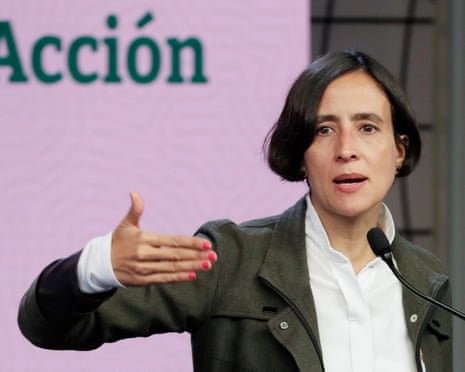
The evening's featured speaker, Susana Muhamad, represents far more than a single voice in the climate conversation. As one of the most respected socio-environmental campaigners globally, Muhamad embodies Colombia's commitment to progressive environmental stewardship and serves as a symbol of hope for those fighting to preserve the country's irreplaceable natural heritage. Her presence transformed this modest community gathering into something momentous—a convergence of concern about how international politics might reshape the nation's environmental policies and development priorities.
Colombia's environmental credentials are formidable. The nation holds the distinction of being home to nearly 10% of Earth's biodiversity despite comprising less than 1% of the planet's land surface. The country's vast Amazon rainforest territories, Pacific coastal regions, and Caribbean ecosystems represent irreplaceable natural laboratories containing species found nowhere else on Earth. For decades, Colombia has positioned itself as a champion of climate action and biodiversity conservation on the international stage, hosting crucial environmental conferences and implementing progressive conservation policies.
However, this leadership position now faces serious challenges from an unexpected direction. The growing influence of Trumpism in North American politics has created ripple effects throughout the Western Hemisphere, with significant implications for countries like Colombia that depend on international climate cooperation and environmental funding. The potential reorientation of US foreign policy toward prioritizing fossil fuel expansion and extractive industries over climate protection threatens to undermine decades of environmental progress and diplomatic commitment.
The tension reflects a broader ideological divide about how developing nations should approach economic growth and resource extraction. On one side stand environmental advocates like Muhamad who argue that Colombia's true wealth lies in its living ecosystems—the services provided by intact forests, the species yet to be discovered with potential medical applications, and the global climate stability that depends on preserving tropical rainforests. On the other side are those promoting a more extractive economic model, arguing that mining and energy production are necessary for short-term economic development and job creation.
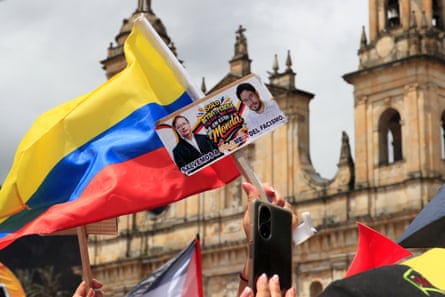
The stakes of this presidential battle extend far beyond Colombia's borders. The Amazon rainforest, which covers significant portions of Colombian territory, functions as a planetary air-conditioning system, generating rainfall patterns that affect weather systems across North and South America. Deforestation and industrial extraction activities in the region directly impact global climate regulation, making Colombia's environmental choices consequential for communities worldwide experiencing increasingly severe climate impacts.
International observers recognize that Colombia represents a critical test case for whether developing nations will maintain environmental commitments in the face of geopolitical pressure. Investment decisions made in Bogotá about resource extraction will influence similar debates across Latin America, Africa, and Asia. If Colombia retreats from its climate leadership position, other environmentally committed nations may feel emboldened to pursue similar extractive policies, potentially triggering a global cascade of environmental degradation.
The gathering in the Caribbean neighborhood reflected this global significance. Activists understood they were not merely debating local environmental policy but participating in a struggle that would help determine whether climate leadership and environmental protection remain viable priorities for developing nations or whether short-term economic extraction becomes the dominant model. Muhamad's presence symbolized the possibility of alternative development paths—routes that honor both economic development and ecological preservation.

Colombia's path forward will be shaped by multiple factors, including domestic political elections, international climate negotiations, and the broader geopolitical orientation of the US government. The nation's traditional commitment to environmental stewardship faces practical challenges from economic pressures, unemployment concerns, and competing development priorities. Many Colombians struggle with poverty and limited economic opportunities, making the argument for resource extraction appealing when presented as a pathway to employment and revenue generation.
Yet environmental advocates argue persuasively that sustainable development offers superior long-term economic prospects. Ecotourism, pharmaceutical research based on biodiversity, carbon credit systems, and payment for ecosystem services create economic value from living nature without the environmental destruction caused by mining and fracking. These alternatives require investment and infrastructure development, but they generate enduring prosperity rather than temporary extraction followed by ecological devastation and abandoned industrial zones.
The environmental movement in Colombia demonstrates resilience and sophistication. Activists are not simply opposing development but proposing comprehensive alternative visions for how the nation can prosper while maintaining its natural heritage. This nuanced approach—emphasizing opportunity rather than mere restriction—represents a sophisticated understanding of political economy and practical governance challenges.

As Colombia navigates this critical juncture, the choices made will echo through coming decades. Whether the nation charts a course toward environmental protection and sustainable prosperity or succumbs to pressure for extractive industries will depend on the wisdom of elected officials, the persistence of environmental advocates, and the broader global commitment to climate action. The passionate activists gathered in that Caribbean courtyard, united by their insistence that "Colombia, respira," represent hope that the nation will choose a future worthy of its extraordinary natural wealth and its historic role as a global environmental leader.


