
Colombia's Peace Promise Under Fire as Violence Escalates

Four years after pledging 'total peace,' Colombian presidential candidates diverge on strategies to combat surging guerrilla violence and armed conflicts.
Colombia's upcoming election has thrust the nation's commitment to peace back into the spotlight, with presidential candidates deeply divided over how to address the resurgence of guerrilla violence that continues to destabilize the country. Four years have passed since the current administration made an ambitious pledge toward achieving what it termed "total peace," yet the reality on the ground tells a markedly different story. Rising attacks from rebel factions and dissident groups have reignited concerns about whether Colombia can ever escape the cycle of armed conflict that has defined much of its modern history.
The landmark 2016 peace deal between the Colombian government and the Revolutionary Armed Forces of Colombia (Farc)—Latin America's largest insurgent army—represented a watershed moment in the nation's struggle toward stability. The agreement achieved several significant milestones: the Farc officially committed to laying down their weapons, thousands of fighters entered demobilization programs, and the overall levels of violence that had plagued the country for decades experienced a substantial decline. For many Colombians, the accord symbolized hope that the worst of the armed conflict might finally be behind them.
However, the 2016 agreement alone proved insufficient to end the deep-rooted armed conflict that has defined Colombian society for generations. Subsequent administrations undertook what many observers characterized as slow-walking the full implementation of the settlement's comprehensive provisions. The accord's ambitious agenda for rural development, victim reparations, and transitional justice faced repeated delays and insufficient funding. These implementation gaps created fertile ground for discontent and recalculation among various armed factions who saw the government's commitment as wavering.
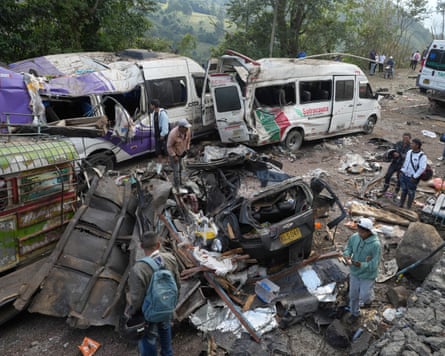
The peace deal faced rejection from the outset from Farc dissidents and rival rebel organizations who refused to accept the terms of the accord. These groups argued that the settlement failed to address their underlying grievances regarding land distribution, economic inclusion, and political representation. Unable or unwilling to join the official demobilization process, thousands of former fighters regrouped and resumed operations in remote regions of the country. Their refusal to accept the peace agreement created parallel power structures that have increasingly challenged government authority in key territories.
Among the most troublesome developments has been the rise of dissident factions that splintered from the original Farc organization almost immediately after the peace accord took effect. These splinter groups, collectively referred to as "Farc dissidents," rejected the leadership of those who had negotiated the peace deal and opted instead to continue armed operations. Operating primarily in coca-producing regions and along international borders, these dissidents have become involved in drug trafficking, extortion, and territorial disputes with other criminal organizations, creating an increasingly complex security landscape.
Beyond the Farc dissidents, other armed groups have intensified their activities in recent months and years. The National Liberation Army (ELN), Colombia's second-largest rebel group, has expanded its operational footprint and frequency of attacks against military targets and civilian infrastructure. Meanwhile, criminal organizations loosely aligned with remnants of paramilitary groups have engaged in their own campaigns of violence aimed at controlling lucrative drug trafficking corridors and illegal mining operations.
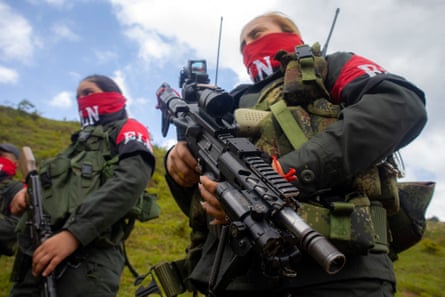
The deteriorating security situation has created a complex political challenge for Colombian election candidates as they seek to differentiate their approaches to national security and peace building. Some candidates have advocated for a continuation of the dialogue-based approach, arguing that negotiated settlements remain the most viable path toward lasting peace. They point to the substantial reduction in violence achieved in the years immediately following the 2016 accord as evidence that engagement, rather than military confrontation, offers the best prospects for stability.
Conversely, other candidates have taken a more hardline position, calling for increased military operations against rebel groups and stricter law enforcement measures. They argue that the government's emphasis on dialogue has emboldened armed factions and created space for them to reorganize and expand their operations. These candidates contend that a more forceful approach is necessary to re-establish state authority in territories where armed groups have established de facto control.
The political divisions reflect deeper disagreements about the root causes of Colombia's prolonged conflict. Proponents of continued peace efforts emphasize structural inequalities, lack of economic opportunity in rural areas, and historical marginalization of certain communities as underlying drivers of insurgency. They advocate for investments in rural development, education, and economic inclusion as essential complements to any security strategy. Their perspective suggests that without addressing these fundamental conditions, military victories will prove temporary and incomplete.
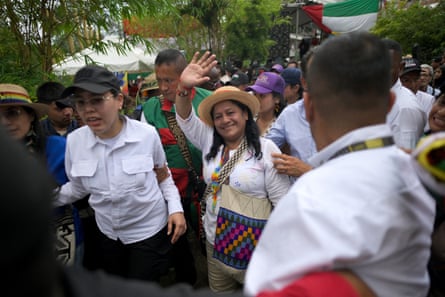
Those favoring a more militarized response counter that security priorities must take precedence over development initiatives, particularly when government authority is actively contested by armed groups. They argue that the state cannot effectively implement development programs in areas where it does not exercise basic control, and therefore military operations must first restore governmental presence. Only after establishing this foundation, in their view, can other policies be meaningfully implemented.
The timing of this election comes at a particularly critical juncture for Colombian peace efforts. International observers have noted that the momentum achieved in the immediate aftermath of the 2016 accord has dissipated considerably. Funding for peace-building initiatives has plateaued or declined in real terms. Reintegration programs designed to help former combatants transition to civilian life have struggled with inadequate resources and inconsistent support. These implementation failures have contributed to frustration among both ex-combatants and communities affected by violence.
The surging violence also reflects shifting dynamics in global criminal markets. The sustained high prices for cocaine and the expansion of demand in North America and Europe have made control of drug production and trafficking routes increasingly valuable to armed groups. This economic incentive has led various factions to compete more aggressively for territorial control and supply chain dominance. The result has been an escalation of violence that affects not only combatants but also civilians caught in conflict zones.
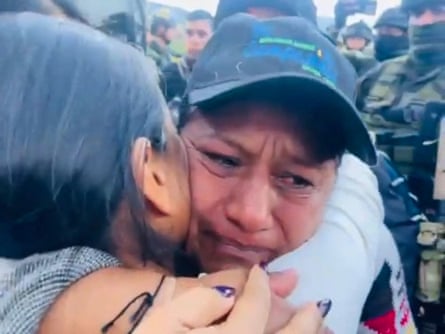
Violence trends in recent statistics have proven sobering for those hoping that the peace accord would usher in a period of sustained security improvements. Casualty figures have ticked upward, particularly in regions where dissidents and competing criminal groups operate. Kidnappings, massacres, and forced displacement have resumed at troubling levels in several provinces. These deteriorating conditions have prompted humanitarian organizations to warn of a potential humanitarian crisis if current trends continue without intervention.
As Colombians prepare to cast their votes, the election serves as a referendum not only on the incumbent administration's management of the peace process but also on the country's broader commitment to the peace accord itself. The choices voters make about which candidate to support will effectively determine what direction Colombia pursues over the next administration's term. Will the country recommit to the ambitious agenda of the 2016 accord and invest in its full implementation, or will it shift toward a security-first approach that emphasizes military operations over dialogue and development?
The stakes of this election extend beyond Colombia's borders. Regional observers and international partners have invested significant diplomatic and financial resources in supporting Colombian peace efforts. A major reversal of policy could affect confidence in peace processes elsewhere in Latin America and potentially destabilize neighboring countries that have benefited from relative peace on their border with Colombia. The international community, therefore, watches the Colombian election with considerable attention, hoping for continuity and commitment to peace principles.
Ultimately, the path forward for Colombia will require leadership willing to navigate extraordinarily difficult tradeoffs between security imperatives and peace-building commitments. The next president will need to demonstrate both the resolve to confront armed groups threatening state authority and the wisdom to pursue negotiated settlements where feasible. Success in addressing Colombia's violence will demand sustained commitment, adequate resources, and genuine progress on the development and social integration measures that form the foundation of lasting peace. The election will determine not only who leads the country but also which vision for Colombia's future—continued peace building or renewed confrontation—will guide the nation forward.
Source: The Guardian


