
Combat Veteran's Flag Burning Charges Dropped by DOJ

The US Department of Justice has dismissed charges against a military veteran who burned the American flag in protest of Trump's executive order banning flag burning near the White House.
Combat Veteran's Flag Burning Charges Dropped by DOJ
The US Department of Justice has dismissed charges against a military veteran who burned the American flag in protest of Trump's executive order banning flag burning near the White House.
Jan "Jay" Carey, a 55-year-old combat veteran, set the flag on fire in Lafayette Square in Washington DC in August, the day that Donald Trump signed a presidential order to crack down on flag burning. On Friday, the justice department moved to dismiss charges against Carey.
The flag burning was a protest against Trump's executive order, which the veteran said was a violation of his First Amendment rights. Carey's actions were part of a larger demonstration by US veterans protesting the administration's policies.
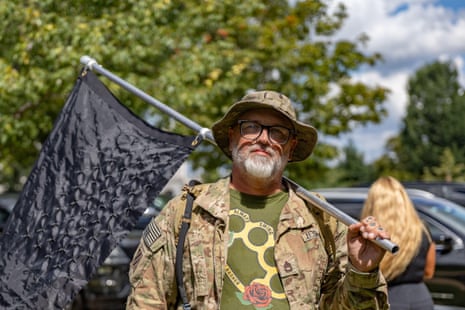
The justice department's decision to drop the charges against Carey comes as a victory for free speech advocates and civil liberties groups who argued that the flag burning was a protected form of political expression. The First Amendment of the US Constitution guarantees the right to engage in such symbolic speech, even if it is considered by some to be disrespectful or unpatriotic.
Carey, who served multiple combat tours in the Middle East, said the flag burning was his way of protesting the Trump administration's policies and actions that he believed were at odds with the values he fought to defend. The veteran argued that his military service gave him a unique perspective on the importance of free speech and civil liberties.
The dismissal of the charges against Carey is seen as a victory for free speech rights and a rejection of the Trump administration's efforts to restrict the ability to engage in political protests involving the American flag. It also highlights the ongoing tensions between patriotism, free expression, and the limits of governmental authority over symbolic acts.
As the country continues to grapple with divisive political issues and the role of dissent in a democracy, the Carey case serves as a reminder of the complex balancing act between individual liberties and national unity.
Source: The Guardian

