
Comedian Charlie Berens Fights AI Datacenter Plans

Journalist-turned-comedian Charlie Berens challenges Wisconsin's $8B AI datacenter project, raising concerns about transparency and community impact.
Wisconsin's thriving comedy scene just gained a new activist voice. Comedian Charlie Berens, widely recognized for his beloved 'Manitowoc Minute' viral skits and sharp midwestern humor, is now leveraging his platform to challenge what he views as a problematic expansion of artificial intelligence infrastructure in his home state. The journalist-turned-entertainer has become an unlikely but vocal opponent of massive corporate development projects that prioritize corporate interests over community welfare.
The controversy began last summer when Berens started receiving an influx of concerned messages through social media channels from Wisconsin residents who were alarmed about an ambitious proposal to construct an enormous datacenter campus in their communities. These constituents, feeling increasingly marginalized in discussions about their own neighborhoods' futures, reached out to the comedian hoping he might amplify their concerns to a broader audience. What started as grassroots community feedback would eventually snowball into a significant public relations challenge for the developers behind the ambitious project.
The mastermind behind this expansive project is Vantage Data Centers, a major player in the data center development industry that has been aggressively expanding its footprint across North America. The company's leadership presented an ambitious vision: an $8 billion investment that would transform the Port Washington area and reshape the local economy. According to their official statements and promotional materials, the facility would predominantly operate using sustainable, zero-emission energy resources including solar panels, wind turbines, and advanced battery storage systems, positioning itself as an environmentally conscious alternative to conventional power sources.

Beyond the environmental rhetoric, Vantage painted an optimistic economic picture for the Port Washington community. Company representatives promised substantial job creation opportunities, including thousands of temporary construction positions during the facility's building phase and potentially more than 1,000 permanent employment positions once the operation became fully functional. For Port Washington, a modest city of approximately 13,000 residents located roughly thirty miles north of Milwaukee's urban center, such economic promises represented a potentially transformative opportunity to boost local prosperity and expand employment options for residents.
However, the enthusiasm from corporate representatives stood in stark contrast to the growing skepticism from local residents who began organizing opposition to the proposal. Community members raised multifaceted concerns about the project's actual impact on their daily lives. Primary among their grievances was the perceived lack of transparency in how decisions were being made about their community's future. Residents felt excluded from meaningful negotiations and questioned whether their voices would actually influence the project's design or implementation.
The financial arrangements drew particular scrutiny from community activists and local government watchdogs. Tax incentive packages offered to Vantage as inducements to locate in Wisconsin sparked outrage among residents who questioned the fairness of giving corporate tax breaks while community infrastructure remained underfunded. These lucrative financial arrangements, designed to attract major investment, effectively shifted the burden of development costs onto the broader taxpaying public while concentrating the profits within the corporation.
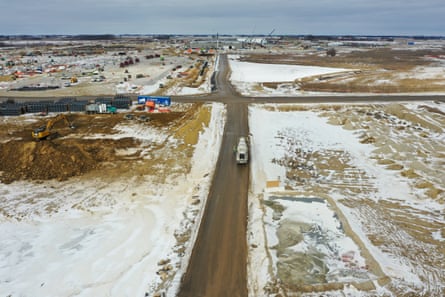
Environmental and resource concerns amplified local opposition to the 1.3-gigawatt datacenter facility. The massive scale of the operation—potentially sprawling across 1,900 acres of Wisconsin land—raised serious questions about strain on local water resources and electricity infrastructure. Data centers require enormous quantities of water for cooling systems, and a project of this magnitude could significantly impact local water availability and quality. Additionally, despite Vantage's claims about renewable energy, critics questioned whether the regional electrical grid could reliably support such an energy-intensive facility without upgrading existing infrastructure at substantial public expense.
As concerns mounted, Charlie Berens positioned himself as a voice for ordinary residents who felt unheard in boardrooms and political negotiations. His decision to speak out against the project represented a departure from his usual entertainment focus, but it aligned with his established persona as someone who speaks truth to power with humor and authenticity. The comedian recognized an opportunity to use his substantial social media following and media credibility to elevate community concerns that might otherwise be drowned out by corporate PR machines and lobbyists.
Berens' intervention highlighted a broader pattern in American infrastructure development where large corporations can effectively sideline community input through superior resources and political connections. The situation in Port Washington exemplified how corporate interests often supersede community needs in major development decisions. When major corporations come to smaller towns with promises of jobs and economic development, local residents frequently find themselves outmaneuvered in negotiations despite the projects directly affecting their communities' futures, environments, and quality of life.

The comedian's activism also underscored the gap between corporate environmental claims and actual community outcomes. While Vantage marketed the facility as powered by renewable energy, residents worried that promised sustainable infrastructure might never materialize or might prove insufficient to meet the facility's actual energy demands. The disconnect between corporate marketing materials and residents' lived experiences has become increasingly common as large corporations make bold sustainability pledges while skirting accountability for their true environmental and social impacts.
What makes Berens' position particularly compelling is his outsider status relative to traditional political power structures. As an entertainer rather than an elected official or formal community leader, he could speak to concerns without being bound by political calculations or campaign contributions. His platform allowed community voices to reach audiences far beyond Port Washington, potentially influencing state-level policy discussions about how Wisconsin manages major corporate development projects and what protections exist for resident communities.
The Port Washington datacenter controversy reveals important questions about American democracy and community autonomy in the age of massive corporate investment. When AI infrastructure expansion proceeds without meaningful community consent or participation, it raises fundamental issues about who benefits from technological progress and who bears its costs. Berens' intervention, though unconventional, highlighted the desperate need for greater equity in negotiations between powerful corporations and vulnerable communities that lack resources to hire expensive consultants and lobbyists.

As the datacenter development debate continues to unfold in Wisconsin and similar projects emerge across the country, Berens' voice serves as a reminder that technology advancement must be balanced against community welfare. His activism demonstrates that meaningful change often requires voices from unexpected quarters—comedians, entertainers, and ordinary citizens willing to challenge powerful interests on behalf of their neighbors and communities. The outcome in Port Washington may ultimately determine not only the immediate future of that community but also set precedents for how similar projects are negotiated and implemented elsewhere in America.


