
Comey's Second Indictment Sparks Retaliation Concerns

Legal experts warn Trump administration using DOJ to target political enemies. Second Comey indictment raises questions about selective prosecution and political weaponization.
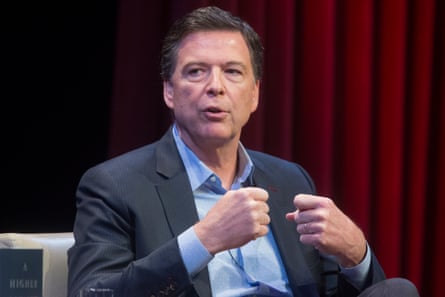
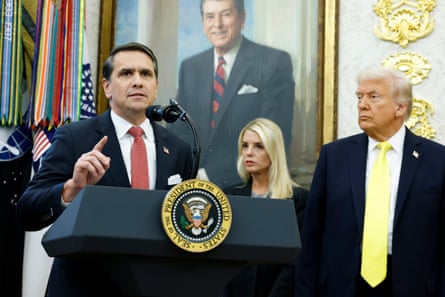
Former FBI Director James Comey faces a second indictment in what legal analysts and constitutional scholars are characterizing as a troubling pattern of political retaliation within the Trump administration. The latest charges, brought by acting Attorney General Todd Blanche, have intensified concerns among legal experts about the weaponization of federal prosecutorial power against high-profile critics and opponents of the current administration.
The indictment represents a significant escalation in what observers describe as a targeted campaign against those who have publicly opposed Trump's policies or voiced criticism during previous political disputes. Legal scholars and former federal prosecutors argue that the timing and nature of these charges suggest a troubling departure from the traditional role of the Department of Justice as an impartial enforcer of law, instead pointing to its use as a tool for settling political grudges and silencing dissent.
Comey, who served as FBI director under both the Obama and Trump administrations before being dismissed by Trump in 2017, has long been a focal point of the president's ire. The ex-FBI chief's decisions regarding the investigation into Hillary Clinton's email practices and his subsequent leadership of the bureau's inquiry into Trump campaign ties to Russian interference have made him a persistent target of Trump's public condemnation and legal action.

Constitutional law professors and legal commentators have expressed alarm at what they characterize as a systematic effort to use federal law enforcement against political enemies. The second indictment has drawn particular criticism for its apparent weakness and questionable legal foundation, with experts questioning whether the charges would have been pursued under a different political administration. This concern reflects broader anxieties about the politicization of the justice system and the erosion of institutional independence that traditionally shields federal prosecutors from partisan influence.
Acting Attorney General Blanche's aggressive prosecution strategy has been interpreted by critics as an attempt to curry favor with Trump and secure confirmation to the position of permanent Attorney General. The aggressive legal tactics employed by Blanche's office suggest a department prioritizing loyalty to the administration over adherence to traditional prosecutorial standards and ethical obligations. Legal experts worry that establishing such precedents could permanently damage public confidence in the impartiality of American law enforcement institutions.
The implications of using federal prosecutorial power as an instrument of political revenge extend far beyond Comey's individual circumstances. The pattern of targeting Trump critics and political opponents raises fundamental questions about the separation of powers and the proper role of law enforcement in a democratic system. If the justice system becomes a tool for punishing political opposition, the very foundations of American democracy—built on the principle of equal justice under law—face serious challenge.
Former prosecutors working under previous administrations from both political parties have expressed deep concern about the precedent being established through these prosecutions. They argue that the selective prosecution of political opponents undermines the rule of law and creates a dangerous template for future administrations seeking to weaponize law enforcement against their rivals. This concern is particularly acute given the stakes involved and the visibility of these cases, which serve as public demonstrations of prosecutorial power.
Legal analysis of the specific charges against Comey has highlighted what many experts describe as technical and procedural weakness in the government's case. The indictment's foundation appears tenuous when examined through the lens of established legal precedent and prosecutorial standards that have guided federal law enforcement for decades. Commentators suggest that a career prosecutor operating under normal institutional pressures might never have brought such charges, raising questions about what political considerations may have influenced the decision-making process.
The broader implications of this case extend to the question of institutional integrity within the federal government. The Department of Justice has historically maintained a degree of independence from direct political control, with prosecutors expected to follow the evidence and law rather than the preferences of the sitting president. The apparent abandonment of this tradition represents a fundamental challenge to the structural safeguards that American democracy relies upon to prevent the abuse of governmental power.
The second indictment of Comey comes amid a broader pattern of legal actions targeting individuals the Trump administration has identified as critics or obstacles. Legal experts worry this represents merely the beginning of a more extensive campaign to use federal law enforcement agencies against political enemies. The consistency of this pattern suggests a deliberate strategy rather than isolated prosecutorial decisions based on individual case merits.
As this case proceeds through the courts, it will likely become a crucial test of the judicial system's ability to protect against political weaponization of law enforcement. Judges will face the difficult task of evaluating whether charges meet legitimate legal standards or represent an improper exercise of prosecutorial discretion. The outcome of Comey's case may set important precedents regarding the limits of prosecutorial power and the proper judicial role in guarding against political abuse of the justice system.
The concerns raised by legal experts about retaliation fears and the politicization of the justice system reflect anxiety about the long-term health of American democratic institutions. When law enforcement becomes a tool for political competition rather than the impartial pursuit of justice, the credibility of the entire legal system suffers. The damage to public trust in institutions can persist long after any particular administration leaves office, creating lasting harm to the functioning of democracy.
Looking forward, the case against James Comey will serve as a significant indicator of whether American courts can maintain independence and protect citizens from prosecutorial abuse. The legal profession and civil society organizations are watching closely to see whether judges will apply rigorous scrutiny to charges that appear motivated by political considerations. The outcome will potentially shape the trajectory of American politics and the willingness of future administrations to use similar tactics against their opponents.

