
Conflict Displacements Hit Record High in 2025

Internal displacements from violence and conflict surge to 32.3 million in 2025, surpassing disaster-driven displacement for the first time.
The global humanitarian crisis deepened significantly in 2025 as internal displacement figures reached unprecedented levels, marking a troubling milestone in human suffering. According to a comprehensive report released by the Internal Displacement Monitoring Centre (IDMC), the world witnessed a dramatic surge in people forced to flee their homes due to armed conflict and violence, establishing new records that underscore the escalating instability affecting millions worldwide.
The 32.3 million conflict-driven internal displacements documented in 2025 represent a staggering 60% increase compared to the previous year, demonstrating an alarming acceleration in violence-related forced migration. This surge is particularly significant because it marks the first time since the IDMC began systematic data collection in 2008 that conflict and violence have surpassed natural disasters as the primary driver of internal displacement globally. The previous record for disaster-driven displacements stood at 29.9 million in 2025, making this a watershed moment in understanding global displacement patterns.
When combined, the total number of internally displaced persons worldwide reached an estimated 82.2 million individuals by the end of 2025. This staggering figure encompasses both those displaced by conflict and violence and those displaced by environmental disasters, natural catastrophes, and climate-related events. The scale of this humanitarian challenge is almost incomprehensible, representing a population equivalent to the entire nation of Germany living in conditions of forced displacement, uncertainty, and vulnerability within their own countries.
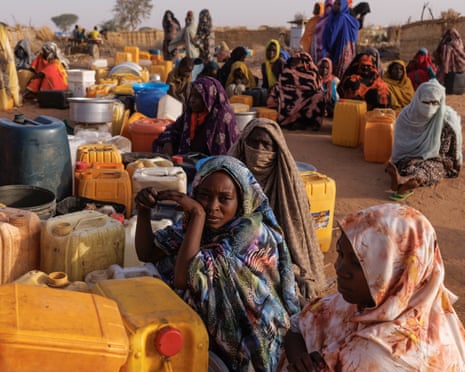
The IDMC report provides crucial insights into the mechanisms driving these displacement crises and highlights the complex interplay of factors contributing to the rise in conflict-related forced migration. The data reveals that ongoing regional conflicts, civil wars, and localized violence in multiple hotspots across Africa, Asia, the Middle East, and Latin America have created cascading humanitarian emergencies. Each conflict zone generates waves of displacement that strain regional resources, overwhelm host communities, and create complex protection challenges for vulnerable populations including women, children, and the elderly.
The shift from disaster-driven to conflict-driven displacement as the primary driver carries profound implications for humanitarian response strategies and international policy frameworks. Disaster-related displacements, while devastating and unpredictable, generally involve shorter recovery periods and more established international response mechanisms. In contrast, conflict-driven displacement often extends for years or decades, as underlying political tensions and security threats persist, making long-term solutions exponentially more complicated and resource-intensive.
This historic transition also reflects the evolving nature of global conflicts, many of which have become increasingly protracted and resistant to resolution. Unlike natural disasters that occur over defined timeframes, allowing for eventual reconstruction and return, armed conflicts generate prolonged uncertainty about when displaced populations can safely return home. The psychological toll, social fragmentation, and economic devastation accompanying prolonged displacement compound the humanitarian crisis beyond mere statistics.
Regional analysis of the displacement data reveals concentration in specific conflict zones that have dominated global attention and humanitarian resources. Sub-Saharan Africa continues to experience acute displacement crises stemming from persistent armed conflicts, insurgencies, and communal violence. The Middle East remains a major displacement epicenter, with Syria, Yemen, Iraq, and Palestine continuing to generate massive internally displaced populations. South Asia faces significant challenges from regional conflicts, while Central America grapples with gang-related violence and territorial disputes that force populations to flee.
The economic dimensions of mass displacement extend far beyond immediate humanitarian costs, affecting regional development, trade patterns, and long-term economic stability. Displaced populations typically abandon productive assets, lose employment opportunities, and struggle to access education and healthcare services. Host communities, often already economically fragile, face strained public services, housing shortages, and labor market disruptions. The cumulative economic losses across regions experiencing high internal displacement numbers represent billions in foregone productivity and development investment.
Child protection emerges as a critical concern within the displacement crisis, with minors comprising a substantial portion of the 32.3 million conflict-displaced individuals. Children separated from family structures, deprived of educational opportunities, and exposed to violence and trauma face lifelong developmental challenges. Many child displacees become vulnerable to exploitation, trafficking, and recruitment into armed groups. The psychological impacts of displacement on childhood development may influence social stability and conflict trajectories for decades to come.
The gender dimensions of displacement require particular attention, as women and girls face disproportionate vulnerabilities during forced migration and in displacement camps. Sexual violence, exploitation, and trafficking increase dramatically during conflict-driven displacement, while women often bear responsibility for maintaining family cohesion under extremely challenging circumstances. Humanitarian responses must incorporate gender-sensitive approaches to protection, healthcare, and economic empowerment to address these compounded vulnerabilities.
International response mechanisms face severe constraints in addressing the scale of the 2025 displacement crisis. Humanitarian organizations report funding shortfalls, limited access to affected populations in active conflict zones, and operational challenges in providing adequate assistance. The 82.2 million internally displaced persons worldwide represent an unprecedented demand on international humanitarian systems, stretching existing capacity beyond practical limits. This funding and access crisis creates secondary humanitarian emergencies among displaced populations lacking adequate food, water, medical care, and shelter.
Looking forward, the record-breaking displacement figures for 2025 signal that conflict resolution and peacebuilding efforts must become central priorities in global foreign policy. The transition to conflict-driven displacement as the primary driver suggests that political instability and violent competition over resources and power have intensified globally. Without meaningful progress on underlying conflicts in major displacement zones, projections suggest these figures may continue rising in subsequent years, further straining humanitarian resources and destabilizing regions.
The IDMC data underscores the urgent need for renewed international commitment to conflict prevention, peacemaking, and protection of civilian populations. Addressing the root causes of violence and conflict that displace millions requires sustained diplomatic engagement, investment in governance and institution-building, and support for local peacebuilding initiatives. Without such comprehensive approaches, the world faces a future of ever-expanding displacement crises that will fundamentally reshape demographic patterns and destabilize entire regions.
Source: The Guardian


