
Corbyn Reflects on Labour Coup as Starmer Faces Ouster

Jeremy Corbyn opens up about his own expulsion from Labour, offering perspective as Keir Starmer faces mounting pressure from within the party.
As Prime Minister Keir Starmer navigates an increasingly precarious position within his own party, former Labour leader Jeremy Corbyn has broken his silence on the mechanisms of internal political warfare that he knows all too well. The veteran politician, whose leadership tenure was marked by fierce internal party battles, reflected candidly on the emotional and political toll of being the target of a coordinated Labour party coup, drawing parallels to Starmer's current predicament as mounting pressure builds from colleagues demanding change.
In a striking moment of reflection, Corbyn acknowledged the gravity of Starmer's situation with a measured response that betrayed both empathy and hard-won experience. "Yeah, I do feel [sorry for him]," Corbyn said, pausing slightly before continuing. "On a personal level it must be devastating. It is a horrible feeling. You suddenly realise that this person doesn't trust you at all and really doesn't wish you well at all, and you suddenly realise that any trust that was there actually disappears." His words carried the weight of someone who has traversed this treacherous political terrain, understanding the profound isolation that accompanies such internal party conflicts.
The machinery of a Labour leadership challenge operates with brutal efficiency, as Corbyn knows intimately from his own bitter experience. The process typically unfolds as a carefully choreographed series of political maneuvers designed to create an irresistible momentum toward the target's removal. Senior party figures, often those who once stood alongside the embattled leader, issue carefully timed resignation letters and condemnatory statements across social media platforms, each pronouncement strategically released to maximize psychological and political damage.
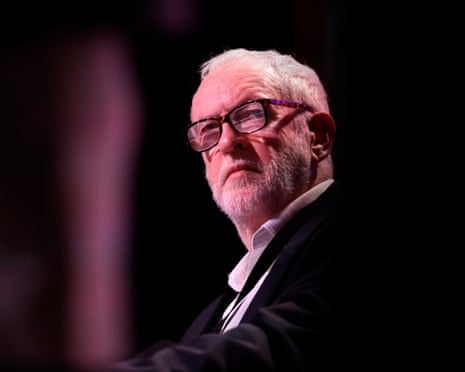
Few politicians in modern British history have experienced the full force of a party-orchestrated ousting with the intensity that Corbyn endured. His removal from the Labour leadership, and subsequent expulsion from the party, stands as one of the most dramatic episodes of internal party conflict in recent decades. The process transformed him from a figure who commanded standing ovations at party conferences and inspired passionate grassroots support into the target of a sustained campaign that mobilized the party establishment against him. The shift in treatment was seismic—former allies became critics, supporters turned silent, and the narrative shifted from celebration to condemnation with stunning rapidity.
The anatomy of such a political coup reveals the darker aspects of party politics, where institutional power and factional interests override personal relationships and collegial bonds. The orchestration begins subtly, with whispered concerns and private meetings among senior figures who share misgivings about the leader's direction. These preliminary conversations establish consensus among key powerbrokers, creating a united front before any public action is taken. The groundwork laid, party figures then coordinate their public statements to create the appearance of spontaneous, independent concern rather than orchestrated action.
Letters of resignation from cabinet-level colleagues and senior party figures arrive in waves, each one timed for maximum media impact. The choreography is precise—a resignation from a high-profile figure generates headlines, but before those headlines fade, another significant figure announces their departure, keeping the story alive and the pressure mounting. Social media becomes a tool for amplifying the message, with accusations and criticisms layered atop one another, building an overwhelming narrative of leadership failure and party discord.
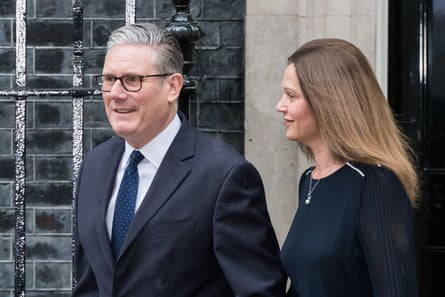
The target of such operations experiences a form of political isolation that few can adequately describe. Corbyn's reflection on this experience captures something profound about the human cost of party politics at its most brutal. The realization that trust has evaporated, that political allies have become opponents, and that the entire institutional apparatus of one's own party has mobilized against you represents a profound betrayal. The sense of being surrounded by former friends turned adversaries creates a psychological landscape of extraordinary difficulty.
Corbyn's current observations about Starmer's situation reveal something more than mere sympathy—they represent a recognition of shared experience within the brutal world of Labour party leadership. The pressures facing Starmer, while different in their specifics from those that confronted Corbyn, operate through the same institutional mechanisms and political dynamics. Party members feeling dissatisfied with direction, backbench MPs voicing concerns, and senior figures considering their positions—these elements form the precursor to any serious leadership challenge.
The question of succession and the identity of potential replacement leaders naturally emerges whenever a sitting leader faces significant pressure. The "runners and riders" in Labour's case represent a diverse array of candidates, each with their own power base, policy perspectives, and visions for the party's future. These potential candidates often play a delicate political game, neither explicitly supporting the leadership challenge nor fully defending the embattled leader, maintaining strategic ambiguity that preserves their options regardless of how events unfold.
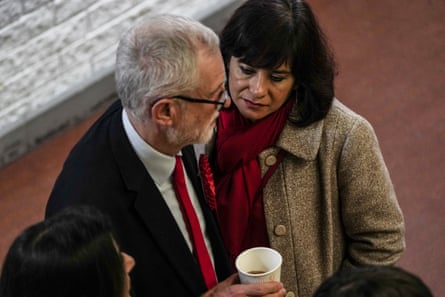
The historical parallels between different Labour leadership crises reveal recurring patterns in how the party manages internal conflict. Previous challenges to party leaders have followed similar trajectories—initial expressions of concern, growing media speculation, backbench restlessness, and eventually coordinated action to force a change. The consistency of these patterns suggests they reflect deeper structural features of Labour party politics rather than unique responses to individual circumstances.
Understanding Corbyn's perspective on these dynamics provides valuable context for analyzing current events within Labour. His experience—the intensity of the conflict, the coordination of party figures, the media amplification, and ultimately the expulsion—represents an extreme case within the range of possible leadership transitions. Starmer's situation, while serious and reflecting genuine party discontent, operates within a different context and with different possible outcomes.
The broader implications of sustained Labour party conflict extend beyond the immediate personal and political circumstances of individual leaders. Party infighting creates opportunities for opposition parties, damages the party's standing with the electorate, and diverts attention and resources from policy development and articulation. The costs of internal division accumulate, affecting not just the leader but the entire party organization and its electoral prospects.
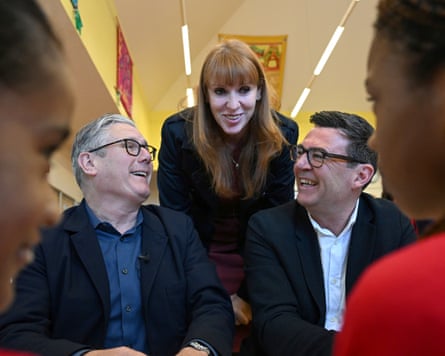
Corbyn's reflections on being the target of party machinations carry the weight of genuine experience and the wisdom of retrospective analysis. His measured acknowledgment of Starmer's difficult position, coupled with his clear-eyed assessment of what such situations entail, offers valuable perspective on the nature of power, trust, and political survival within the Labour party. Whether Starmer faces a similar trajectory or whether his situation resolves differently remains to be seen, but Corbyn's voice serves as a reminder of the human dimensions of political conflict and the lasting impact of party warfare on those caught in its crosshairs.


