
Cornwall Glyphosate Row: Council's Weed Plan Sparks Backlash

Cornwall Council's proposal to use glyphosate herbicide on pavements faces fierce criticism from residents and environmental groups concerned about health and wildlife impacts.
Cornwall, widely celebrated for its picturesque gardens and lush natural landscape, has become the center of an intensifying environmental controversy regarding the management of roadside vegetation. The peaceful county's reputation for natural beauty now clashes with a contentious municipal decision that threatens to reignite debates about chemical use in public spaces.
The unitary authority has unveiled an ambitious plan to deploy glyphosate herbicide across pavements and kerbsides throughout the region. This decision marks a significant reversal of the council's earlier environmental stance, which had largely eliminated the use of this controversial herbicide over the preceding decade. The shift comes as municipalities across the United Kingdom grapple with the challenge of maintaining public spaces while managing budgetary constraints and operational efficiency.
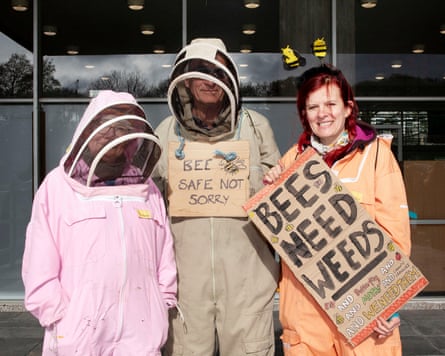
The announcement has triggered immediate and vocal opposition from a diverse coalition of stakeholders, including environmental advocates, health-conscious residents, and wildlife protection organizations. Critics argue that the proposed return to glyphosate use represents a dangerous step backward in the council's commitment to protecting public health and maintaining ecological integrity. The herbicide in question has been at the center of numerous scientific debates and legal challenges worldwide, making this proposal particularly contentious.
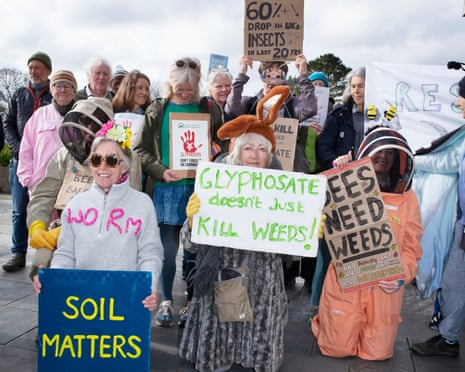
Glyphosate, widely recognized as the active ingredient in the herbicide Roundup, has become increasingly controversial following mounting scientific evidence regarding its potential effects on human health and non-target plant species. The International Agency for Research on Cancer, a division of the World Health Organization, classified glyphosate as "probably carcinogenic to humans" in 2015, a determination that has influenced policy decisions across multiple countries and regions. This classification has prompted numerous lawsuits in the United States and elsewhere, with some resulting in substantial settlements for plaintiffs claiming glyphosate exposure caused their illnesses.
Environmental groups operating in Cornwall have raised particularly strong concerns about the impact of widespread herbicide application on the region's distinctive biodiversity. The county's unique ecosystems support numerous plant and animal species that have adapted to specific habitats over centuries. Indiscriminate use of broad-spectrum herbicides threatens to disrupt these delicate ecological relationships, potentially causing cascading effects throughout food webs and species populations. Wildlife protection advocates emphasize that the long-term consequences of chemical herbicide use remain inadequately understood and monitored.
The practical implications of this decision extend beyond environmental considerations to encompass public health concerns among Cornwall's residents. Parents, healthcare professionals, and community leaders have expressed anxiety about children's and families' potential exposure to chemical residues on walkways where they regularly travel. The proposal fails to adequately address questions about safe application protocols, buffer zones from residential areas, and procedures for monitoring environmental accumulation of the substance. Public consultations have revealed widespread skepticism about whether the council has properly weighed these health risks against operational convenience.
Cornwall Council's justification for reversing its earlier herbicide-reduction policy centers on the financial pressures facing local government and the practical challenges of maintaining extensive public infrastructure. Manual weeding and alternative control methods have proven labor-intensive and costly, requiring significant personnel expenditure that stretched budgets increasingly cannot accommodate. The council argues that glyphosate application offers the most cost-effective solution for managing vegetation across the county's extensive network of public pavements and road verges. This economic rationale, however, fails to convince environmental advocates who contend that true cost accounting must include long-term health and ecological expenses.
Alternative weed management approaches have gained traction in other jurisdictions and merit serious consideration in Cornwall. Mechanical removal, while more labor-intensive, eliminates chemical inputs entirely and addresses root causes rather than applying temporary solutions. Innovative technologies such as thermal weeding using hot water or steam have proven effective in several European municipalities without introducing persistent chemical residues. Biological control methods, which introduce natural predators of specific weed species, represent an emerging frontier in sustainable vegetation management. Yet Cornwall Council has not demonstrated serious commitment to exploring or implementing these environmentally conscious alternatives.
The timing of this announcement appears particularly problematic given growing consumer awareness and preference for pesticide-free environments. Supermarket chains throughout the United Kingdom increasingly market produce as glyphosate-residue-free, reflecting genuine consumer demand for reduced chemical exposure. Schools and educational institutions have moved toward certified organic landscaping practices. This backward momentum in Cornwall runs counter to broader societal trends and values regarding environmental stewardship and precautionary approaches to chemical exposure.
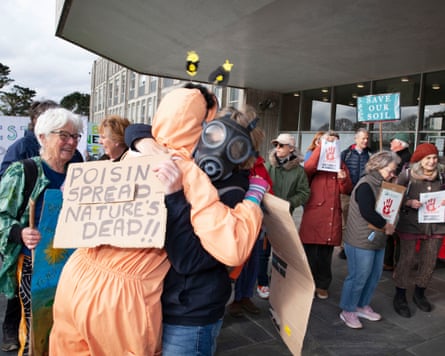
Community mobilization has already commenced, with local environmental organizations, organic farming advocates, and concerned citizens organizing resistance to the proposal. Petition campaigns have garnered thousands of signatures from people expressing opposition to the plan. Public meetings have drawn substantial attendance, with speakers presenting scientific evidence and personal testimony about concerns regarding glyphosate exposure. This groundswell of opposition suggests that the council may face significant political pressure if it proceeds without substantially modifying or withdrawing the proposal.
The broader context for this dispute reflects the ongoing tension between public sector cost management and environmental protection priorities that plague local governments throughout the United Kingdom. Austerity measures implemented over the past decade have severely constrained council budgets, forcing difficult decisions about service delivery and resource allocation. While glyphosate application might represent a financially expedient solution in the short term, critics argue it externalizes costs onto public health and environmental systems that ultimately bear the financial and human consequences of pollution.
This episode highlights the necessity for comprehensive policy frameworks that genuinely integrate environmental, health, and fiscal considerations rather than treating them as separate concerns. Cornwall's situation presents an opportunity for the council to demonstrate leadership in sustainable local governance by rejecting chemical herbicide approaches and instead investing in innovative, environmentally responsible alternatives. The decision ultimately will reveal whether the council prioritizes convenient cost-cutting measures or commits to protecting the health and ecological integrity that define Cornwall's identity and appeal.
Source: The Guardian


