
Could Starmer Bring Back Rayner to Steady Labour?

Eight months after resigning over tax arrangements, Angela Rayner remains influential. Speculation grows about a potential cabinet reshuffle to restore the Labour deputy.
Nearly eight months have elapsed since Angela Rayner made the dramatic decision to step down from her position in the cabinet due to complications surrounding her personal tax arrangements. Yet despite her absence from the frontline of government, her influence over Labour's direction and decision-making processes appears to remain remarkably intact. Political observers and Westminster insiders are increasingly wondering whether the former deputy prime minister might soon make a triumphant return to the cabinet, potentially either stabilizing Keir Starmer's administration or perhaps even positioning herself as a future challenger to the prime minister's authority.
The resignation that shook the Labour establishment occurred in September of the previous year, when Rayner stepped aside amid mounting scrutiny over her tax affairs. However, the eight months that have followed have demonstrated that her political influence extends far beyond her official title. Her careful navigation between demonstrating loyalty to the Prime Minister while simultaneously maintaining her own independent voice and interventionist approach has kept her squarely in the public eye and within party discussions about the government's future direction and strategy.
Recent developments within Westminster corridors suggest that Keir Starmer may be contemplating a limited but significant cabinet reshuffle in the coming weeks or months. Multiple sources indicate that the primary objective of such a reorganization would be to bring back Rayner to the administration. As one of Labour's most politically formidable figures and a crucial bridge to the party's grassroots membership, Rayner's return could provide a much-needed boost to the government's fortunes and internal cohesion during what many perceive as a challenging period for the administration.

The political calculus surrounding a potential return for Rayner is considerably complex and multifaceted. Starmer must weigh the significant advantages of bringing back such a popular and respected figure against the potential complications of admitting that her original departure was perhaps ill-advised or politically motivated. Furthermore, there remains genuine uncertainty about whether Rayner herself would be willing to return to the cabinet under the current circumstances, or whether she might prefer to consolidate her growing influence from the backbenches where she can operate with greater freedom and autonomy.
Since her resignation, Rayner has demonstrated remarkable political acumen in managing her relationship with the Prime Minister and the broader Labour party structure. She has carefully balanced her public loyalty to Starmer's government with subtle but unmistakable signals that she maintains her own distinct vision for Labour's future direction. This delicate equilibrium has allowed her to remain relevant and influential while avoiding the perception of disloyalty or party division that might have permanently damaged her political standing.
The circumstances leading to her original departure remain contentious within Labour circles. Her tax arrangement controversy sparked intense debate about the transparency and consistency of standards applied to senior government figures, particularly regarding property transactions. The resignation was widely seen as a loss for Starmer, given Rayner's deep connections to Labour's working-class base and her effectiveness as a communicator on the campaign trail and in parliament.
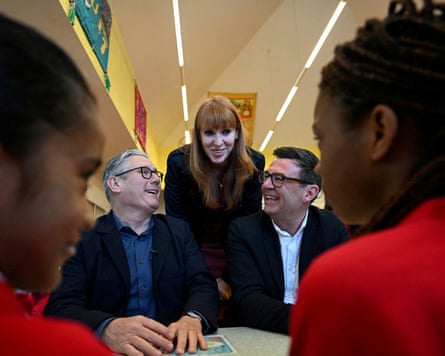
Since stepping down from her deputy prime minister role, Rayner has maintained an unusually high profile for someone in political exile. She has continued to write opinion pieces for major newspapers, engage in high-profile public appearances, and participate in party strategy discussions despite her formal absence from the cabinet structure. This activity has kept her name constantly in the frame for potential reinstatement and has allowed her to shape the narrative around her departure and future political prospects.
The broader context for speculation about a potential reshuffle involves the challenging political environment facing the Labour government at present. Facing pressure from multiple directions—from external political opponents, internal party factions, and a demanding public agenda—Starmer may be calculating that bringing back a heavyweight like Rayner could provide the administration with additional political firepower and strengthen its appeal to core Labour voters who feel disconnected from recent government direction and messaging.
There are several potential scenarios regarding how such a reshuffle might unfold. In one scenario, Rayner could return to her previous role or assume a different cabinet position that leverages her particular strengths and political assets. Alternatively, the Prime Minister might create a new senior position specifically designed to accommodate Rayner's talents while acknowledging the political reality that simply reinstating her in her former position might appear to be a retreat from earlier decisions. Each option carries distinct political implications and would be read differently by different segments of the Labour party and the broader electorate.
The question of whether Rayner would actually accept an invitation to return to the cabinet is far from settled. Some observers believe she has grown accustomed to her current position and might prefer to maintain the independence and influence she currently enjoys. Others suggest that her political ambitions and her deep commitment to Labour's success would ultimately override any reluctance, particularly if such a move could materially strengthen the government's position and prospects for the future.
What remains clear is that Angela Rayner's political influence has not diminished despite her absence from formal government roles. Whether Starmer moves forward with plans to bring her back into the cabinet, the Prime Minister will need to make a calculation about how best to leverage her considerable political assets while managing the complex dynamics and perceptions that her return would inevitably trigger. The coming months will likely provide important clues about whether such a reshuffle is indeed in the offing and how both Starmer and Rayner view the political landscape ahead.
Source: The Guardian


