
Court Blocks Trump's 10% Tariff as Illegal

Federal court strikes down Trump's second tariff attempt, leaving the president without emergency trade tools ahead of critical China negotiations.
In a significant legal setback for the Trump administration, the US Court of International Trade has ruled that the president's newly imposed 10 percent global tariff violates federal law, marking the second consecutive court decision to invalidate the administration's aggressive trade policies. This ruling comes just one day after the Supreme Court struck down an earlier set of emergency tariffs, demonstrating the judiciary's skepticism toward the president's expansive interpretation of executive trade authority.
The timing of this legal defeat creates considerable complications for the White House's broader economic agenda. With no remaining emergency provisions available under existing trade law that Trump can legally invoke, the administration faces a severely constrained ability to implement its signature tariff strategy designed to reshape global commerce. The president had hoped to use tariffs as leverage in upcoming high-stakes negotiations with China, but this court decision significantly weakens his negotiating position heading into critical talks scheduled for the coming week.
Legal experts have noted that the court's interpretation of the decades-old trade law appears to impose strict limits on presidential emergency powers in this arena. The specific provision Trump attempted to use had never been invoked in this manner before, suggesting the administration was testing the boundaries of executive authority. However, the judiciary has now established clear boundaries, effectively removing what the White House viewed as a crucial tool for advancing its protectionist economic policies.
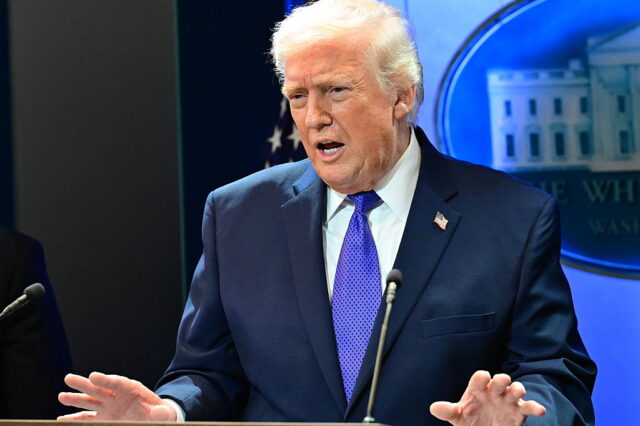
The court's decision underscores the ongoing tension between presidential ambitions for unilateral trade action and congressional authority over commerce. Throughout Trump's tenure, questions have persisted about whether the president possesses sufficient legal authority to impose tariffs without specific congressional approval. This ruling reinforces the principle that emergency powers, while broad, are not unlimited and must be exercised within the confines of statutory authorization.
Trump's trade policy framework has consistently relied on the premise that tariffs serve as effective instruments for encouraging domestic manufacturing and reducing trade deficits. The administration argues that tariffs protect American workers from unfair foreign competition and incentivize companies to relocate production to the United States. However, critics contend that tariffs harm consumers, increase prices for imported goods, and risk triggering retaliatory measures from trading partners that could damage American exporters.
The international community has watched these legal developments closely, particularly governments that would be affected by such global tariff policies. Countries dependent on American imports have expressed concern about the potential economic impact of widespread tariffs, and this court ruling provides them some reassurance that there are constitutional and statutory limits to the president's trade authority.
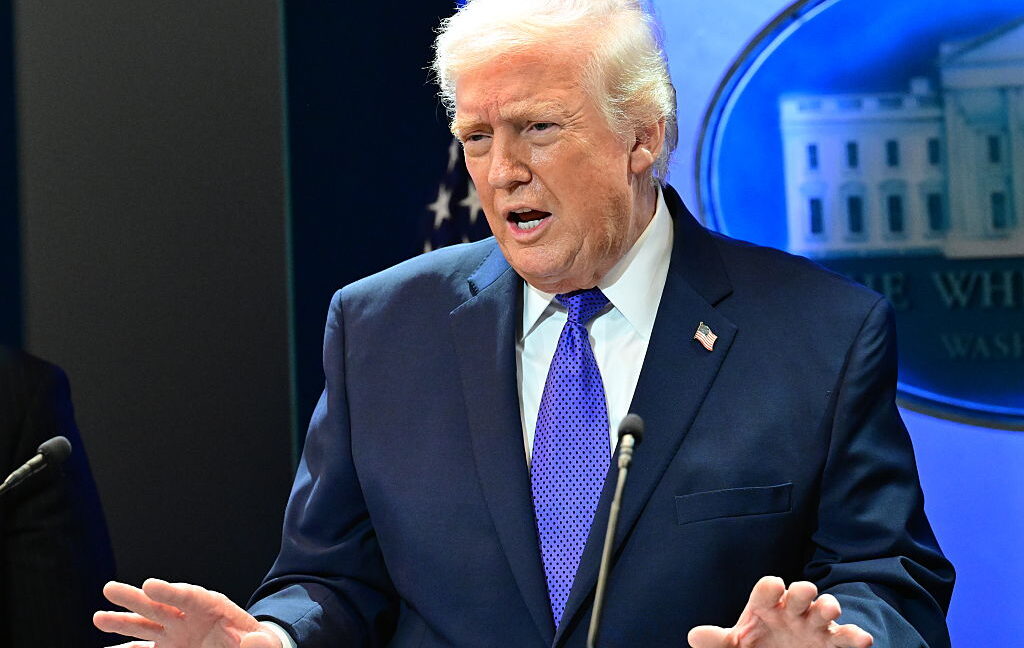
With the scheduled meeting between Trump and China's President Xi Jinping now just days away, analysts suggest that the American delegation arrives at the negotiating table with diminished leverage. The Chinese leadership has reportedly observed these legal setbacks with interest, recognizing that the president's ability to threaten unilateral trade action has been substantially curtailed by judicial intervention. This shift in relative negotiating strength could influence the dynamics of discussions surrounding intellectual property theft, industrial policies, and trade imbalances.
The broader implications of these court decisions extend beyond the immediate tariff dispute. They establish important precedent regarding the separation of powers and the judicial branch's willingness to check executive authority even on matters traditionally considered within presidential purview. Future administrations, regardless of political affiliation, will need to consider these rulings when contemplating unilateral trade actions, knowing that courts will scrutinize their legal justifications.
Congress remains positioned as the ultimate arbiter of tariff policy, yet legislative action on trade matters has proven difficult in recent years. The administration may now need to work with Congress if it wishes to implement sustained tariff policies, a more cumbersome process than executive action but one that would provide stronger legal footing for any imposed duties.

The business community has responded with mixed reactions to the court ruling. Some sectors that benefit from protectionist policies express disappointment at the judicial limitation on executive trade action, while export-oriented industries and importers celebrate the decision as limiting inflationary pressure from widespread tariffs. Retailers and manufacturers dependent on global supply chains have particularly welcomed the constraint on tariff authority.
Looking forward, the Trump administration faces a pivotal decision about how to proceed with its trade agenda. The White House could pursue legislative solutions by working with Congress to authorize specific tariff regimes, challenge the court's reasoning through appeals, or pivot toward negotiated trade agreements rather than unilateral tariff actions. Each path presents distinct political and practical challenges that will require careful deliberation.
This legal development also raises questions about the timing and strategic planning of the administration's trade initiatives. The fact that two tariff strategies were struck down in rapid succession suggests that legal review processes may need strengthening within the executive branch to ensure proposed policies can withstand judicial scrutiny before implementation.
The court's decision reflects broader constitutional principles that have governed executive authority since the founding of the republic. While presidents possess significant powers in foreign affairs and commerce, those powers are not absolute and remain subject to statutory limits and constitutional constraints. This ruling reinforces that precedent and signals to the executive branch that the judiciary will enforce those boundaries.
As the political landscape continues to evolve, the implications of this tariff ruling will likely extend far beyond the immediate dispute. Whether future administrations attempt to use similar emergency provisions or pursue alternative approaches to trade policy, this court decision will serve as a significant reference point for understanding the limits of presidential authority in shaping American trade policy.
Source: Ars Technica

