
Crayola Toys Recalled Due to Asbestos Risk

Federal health authorities issue urgent recall for Crayola toy products citing potential asbestos contamination. Parents advised to stop use immediately and secure products away from children.
Federal health and safety regulators have issued an urgent recall for a line of Crayola toys following concerns about potential asbestos contamination in the products. The recall affects multiple toy items manufactured by the renowned art supplies company and distributed across retail locations nationwide. Regulatory officials are urging consumers to cease using the affected products immediately and to store them in locations inaccessible to children until proper disposal can be arranged.
The product recall represents a significant public health concern, as asbestos exposure poses serious health risks, particularly for young children whose developing bodies are more vulnerable to the harmful effects of the toxic mineral. Asbestos fibers, when inhaled or ingested, can cause severe respiratory diseases, mesothelioma, and other cancers with latency periods that may span decades. The discovery of potential asbestos in children's toys has prompted swift action from regulatory agencies to protect vulnerable populations.
Parents and caregivers who have purchased the recalled Crayola products are being instructed to identify which items in their possession match the recalled models. The government has provided specific product identifiers and lot numbers to help consumers determine whether their toys are part of the affected batch. Affected items should not be handled unnecessarily, and families are advised to avoid allowing children any contact with the recalled products.
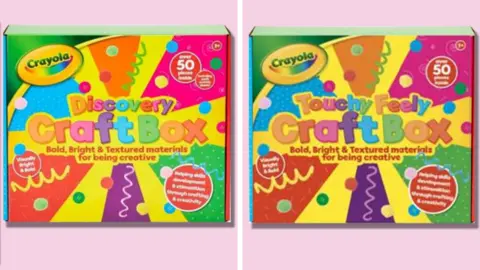
The asbestos contamination discovery raises questions about quality control and supply chain oversight in toy manufacturing. Asbestos, a naturally occurring mineral fiber, was historically used in various industrial applications due to its heat-resistant and durable properties. However, the substance has been banned or heavily restricted in many countries, including the United States, due to its well-documented carcinogenic properties.
Regulatory agencies have not yet disclosed the exact source of the asbestos contamination or how the toxic mineral made its way into the manufacturing process. Investigations are ongoing to determine whether contamination occurred during the raw material sourcing phase, during manufacturing, or through cross-contamination in production facilities. This detailed investigation is critical for preventing similar incidents and holding manufacturers accountable for safety standards.
The company has cooperated with government authorities in initiating the recall and has committed to investigating the root cause of the contamination. Crayola's response to the safety concern demonstrates the importance of manufacturer accountability and transparent communication with consumers. The company is working closely with regulatory bodies to ensure all affected inventory is properly identified and removed from circulation.
Consumers who have already purchased the recalled Crayola toys can return them to the retail locations where they were purchased for full refunds or replacement with non-affected products. Many retailers are accepting returns of the recalled items without requiring original receipts, recognizing the urgent nature of the health and safety recall. This consumer-friendly approach helps ensure that affected products are quickly removed from households.
The recall also highlights the broader issue of toy safety and the importance of stringent testing protocols before products reach consumers. Regulatory agencies emphasize that all toys, especially those designed for children, must undergo rigorous testing for hazardous materials. Parents are encouraged to remain vigilant about product safety announcements and to check recalls regularly on official government health and safety websites.
Health officials are advising parents whose children may have had contact with the recalled toys to monitor their health and consult with healthcare providers if they have concerns about potential exposure. While brief, non-intensive contact is unlikely to cause immediate harm, asbestos exposure risks are cumulative and can develop over time. Medical professionals can provide personalized guidance based on the duration and nature of potential exposure.
This recall is part of a larger pattern of increased scrutiny on children's product safety in recent years. Regulatory agencies have expanded their testing protocols and enforcement mechanisms to prevent dangerous products from reaching the consumer market. The toy safety standards continue to evolve as new risks are identified and scientific understanding of hazardous materials improves.
Educational campaigns are being launched to inform parents and caregivers about the risks of asbestos-contaminated products and the importance of heeding recall notices. Government agencies are working with schools, pediatric offices, and community centers to distribute information about the recall and proper disposal procedures. These efforts aim to maximize awareness and ensure that affected products are removed from circulation as quickly as possible.
The product recall announcement serves as a reminder of the critical importance of supply chain transparency and accountability in manufacturing. Companies are expected to maintain detailed records of their suppliers and manufacturing partners to quickly identify contamination sources when problems arise. This level of oversight is essential for protecting consumers, particularly vulnerable populations like children.
Experts recommend that consumers take the recall seriously and take immediate action to secure and remove the affected toys from their homes. The potential health consequences of asbestos exposure warrant a precautionary approach, even if the risk from brief contact is considered low. Responsible handling and proper disposal of the recalled items are crucial steps in protecting family members, particularly children.
For those seeking more detailed information about the recall, the government health agency has established a dedicated hotline and website where consumers can verify product identifiers, learn about disposal procedures, and obtain refund or replacement information. The comprehensive resources available help ensure that consumers have all the information needed to respond appropriately to the safety concern. Staying informed through official channels is the best way to protect children's health and safety.
Source: BBC News

