
Crude Chaos: Unpacking the Volatile Oil Market Dynamics

Explore the complex factors driving the wild fluctuations in global oil prices, from geopolitical tensions to supply and demand shifts. Discover the implications for consumers, businesses, and the broader economy.
Crude oil, the lifeblood of the global economy, has experienced a rollercoaster ride in recent months, leaving businesses, consumers, and policymakers scrambling to understand the underlying dynamics. The origins of this volatility can be traced back to the ongoing tensions in the Middle East, particularly the conflict between Iran and the United States, which have sent shockwaves through the international energy markets.
At the heart of the issue lies the delicate balance between supply and demand for this vital commodity. When the supply of oil is disrupted, either due to geopolitical events or production cuts, prices tend to surge as consumers and businesses compete for a limited resource. Conversely, when supply outpaces demand, as has been the case during the COVID-19 pandemic, prices can plummet, leaving producers and exporters struggling to adapt.
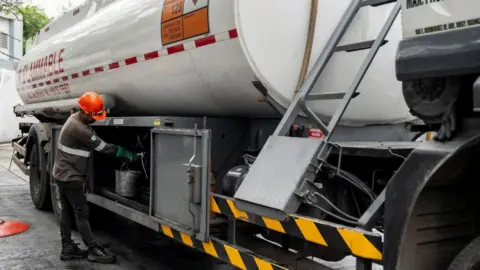
The recent volatility in oil prices has been particularly pronounced, with Brent crude, the global benchmark, swinging from around $60 per barrel in January to nearly $70 in April, before dipping back down to the $50 range in the following months. This rollercoaster ride has been driven by a confluence of factors, including the ongoing tensions between the U.S. and Iran, the production cuts by OPEC and its allies, and the uncertain global economic outlook as the world continues to grapple with the impacts of the COVID-19 pandemic.
The implications of these price fluctuations are far-reaching, affecting consumers at the gas pump, businesses that rely on oil-based products or transportation, and even broader economic indicators like inflation and GDP growth. Policymakers, too, must navigate this complex landscape, balancing the need to ensure energy security, support domestic industries, and promote sustainable development.
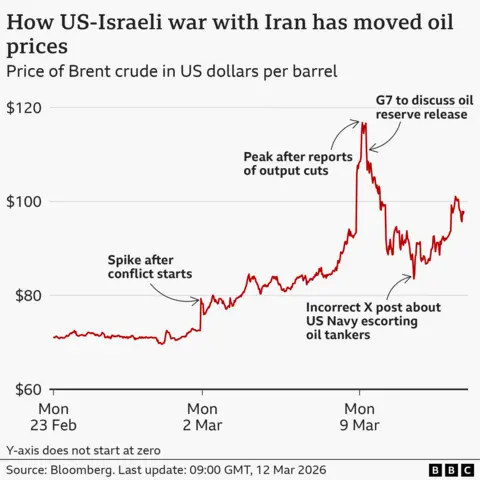
As the world continues to monitor the situation, experts emphasize the importance of diversifying energy sources, improving energy efficiency, and investing in renewable alternatives to mitigate the risks posed by the volatile oil market. By understanding the underlying drivers of these price swings, stakeholders can better prepare for the challenges ahead and work towards a more stable and sustainable energy future.
Source: BBC News


