
Cruise Ship Evacuates Hantavirus Cases to Netherlands

MV Hondius departs Cape Verde after three passengers, including a British man, evacuated due to hantavirus symptoms. Emergency medical response initiated.
A cruise ship operating in waters off Cape Verde has concluded a challenging medical emergency following the identification and evacuation of three passengers displaying symptoms consistent with hantavirus infection. The MV Hondius, a vessel navigating the Atlantic near the West African archipelago, initiated emergency protocols after crew members identified concerning health indicators among passengers during their voyage. The situation prompted immediate coordination between maritime authorities, medical professionals, and international health services to ensure the safety of all individuals aboard.
Among the three evacuated passengers was a British national whose condition triggered the vessel's medical alert systems. The individual, along with two other travelers showing similar clinical presentations, required immediate transfer to specialized medical facilities capable of providing advanced diagnostic and treatment capabilities. The decision to evacuate the patients represented a critical measure undertaken by the ship's medical team and commanding officers to ensure appropriate care standards were maintained. Hantavirus symptoms can develop rapidly, making swift medical intervention essential for patient outcomes.
The evacuation process involved coordinating with the Netherlands as the designated destination for receiving the three patients. Medical evacuation teams arranged transport to facilities equipped to handle suspected viral hemorrhagic fever cases, which require isolation protocols and specialized treatment approaches. The vessel's crew followed established maritime medical emergency procedures, working in collaboration with international maritime authorities and health organizations to facilitate the safe transfer of affected passengers. This coordination demonstrated the importance of international cooperation in managing health crises at sea.
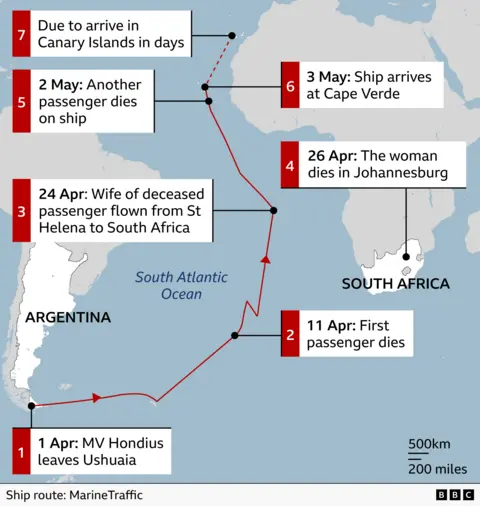
The MV Hondius subsequently departed from Cape Verde after completing the evacuation procedures and ensuring all remaining passengers and crew members underwent appropriate health screening. The ship's operating company issued statements confirming that comprehensive health assessments were conducted to determine the status of other individuals aboard the vessel. Maritime health protocols require thorough documentation and monitoring following suspected disease outbreaks to prevent potential secondary transmission and ensure passenger safety throughout the remainder of the voyage.
Hantavirus infections represent a significant public health concern, characterized by potentially severe symptoms including fever, muscle pain, and respiratory complications in advanced stages. The virus is typically transmitted to humans through contact with infected rodent droppings, urine, or saliva, though person-to-person transmission of certain hantavirus strains can occur. Understanding transmission routes and symptoms becomes critically important in outbreak situations aboard vessels where individuals are in close proximity. Medical professionals emphasize the importance of rapid diagnosis and early intervention in managing suspected hantavirus cases.
The situation aboard the MV Hondius underscores the continuing challenges faced by cruise operators in managing health emergencies in remote maritime locations. Cruise vessels operating in distant waters must maintain robust medical facilities and trained personnel capable of addressing serious infectious diseases. The implementation of swift evacuation procedures, as demonstrated in this case, reflects industry standards developed through years of experience managing medical emergencies at sea. Passengers and crew members aboard cruise ships depend on these protocols to ensure their health and safety remains prioritized.
International health authorities have been monitoring the situation closely as part of ongoing surveillance efforts for emerging infectious diseases. The identification of suspected hantavirus cases aboard a commercial vessel prompted notification to relevant health organizations and maritime regulatory bodies. Such reporting mechanisms facilitate early warning systems that help prevent broader transmission and allow health authorities to track disease patterns. Information sharing between maritime operators and public health agencies strengthens the global capacity to respond to health threats originating from cruise ship operations.
The three evacuated passengers received care at Dutch medical facilities specializing in infectious disease management and treatment. Hantavirus treatment focuses primarily on supportive care, including respiratory support and management of fluid balance, as no specific antiviral medications currently exist for hantavirus infections. Recovery outcomes depend significantly on early recognition, rapid medical intervention, and the overall health status of affected individuals. The Netherlands' healthcare system possesses expertise in managing rare and emerging infectious diseases, making it an appropriate destination for these patients requiring specialized medical attention.
This incident highlights the importance of crew training in recognizing infectious disease symptoms and implementing appropriate response procedures. Cruise ship personnel receive instruction in identifying potential health threats and initiating isolation measures to protect other passengers and staff members. The rapid identification of affected passengers aboard the MV Hondius reflected effective disease surveillance practices maintained by the vessel's medical team. Continued emphasis on training and preparedness remains essential for maritime operators managing large passenger populations in international waters.
Infectious disease outbreaks on cruise ships generate significant public health concerns due to the potential for rapid transmission among closely housed populations. The cruise industry has implemented comprehensive health and safety protocols in response to past disease outbreaks, including enhanced screening procedures and isolation capabilities. These measures aim to balance passenger safety with operational continuity, allowing cruise operators to maintain services while protecting public health. The response to the MV Hondius situation exemplified these protocols in action.
The departure of the MV Hondius from Cape Verde marked the conclusion of the immediate emergency phase, though investigations into the source of infection likely continued among medical and public health professionals. Understanding how passengers contracted hantavirus helps identify potential transmission sources and implement preventive measures. Whether the infections originated from environmental exposure or another source remains important information for public health tracking and prevention efforts. Such investigations contribute to the broader knowledge base regarding hantavirus transmission in unusual settings such as maritime environments.
The incident serves as a reminder of the complex health challenges inherent in operating large passenger vessels in international waters. Cruise operators must balance operational objectives with substantial health and safety responsibilities affecting thousands of passengers and crew members. Future improvements in maritime health infrastructure, medical staffing, and disease surveillance continue to evolve based on lessons learned from incidents like this evacuation. The continued commitment to prioritizing passenger health demonstrates the cruise industry's recognition of its public health responsibilities.
Moving forward, the experience of the MV Hondius will likely inform discussions within the maritime industry regarding optimal responses to suspected hantavirus and other serious infectious diseases. Cruise operators, medical professionals, and regulatory authorities continue collaborating to refine emergency procedures and ensure that future incidents receive similarly swift and coordinated responses. The successful evacuation of affected passengers and their transfer to appropriate medical facilities demonstrates the effectiveness of established protocols when properly implemented. Continued vigilance and preparation remain essential components of maritime health security in an interconnected global environment.
Source: BBC News

