
Cruise Ship With Hantavirus Outbreak Denied Cape Verde Docking

Cape Verde authorities block cruise ship suspected of hantavirus outbreak after three passenger deaths. Health officials investigate rare respiratory virus case.
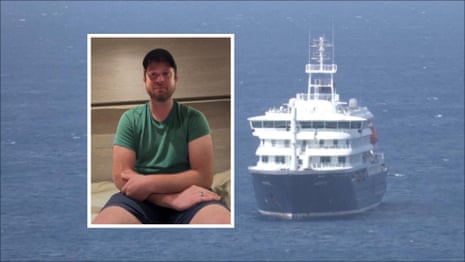
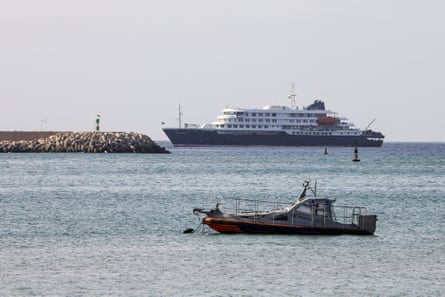
In a significant public health intervention, authorities in Cape Verde have announced they will refuse docking privileges to a cruise ship at the center of a suspected hantavirus outbreak that has claimed the lives of three passengers. The decision, announced on Monday, underscores the serious nature of the situation and reflects growing concerns about containing the spread of this rare and potentially deadly respiratory infection across international waters.
The announcement came swiftly following reports that global health officials were mobilizing resources to investigate what appears to be an unprecedented case of hantavirus transmission aboard a commercial cruise vessel traveling through the Atlantic Ocean. Health authorities described the situation as alarming, given that hantavirus cases are typically associated with direct contact with infected rodents or their droppings in terrestrial environments, making shipboard transmission exceptionally unusual and requiring urgent investigation.
Cape Verde's port authority emphasized that the decision to block the vessel was made unequivocally to safeguard public health and prevent any potential spread of the virus to local populations and communities. Officials stated that they could not authorize docking under any circumstances given the current epidemiological situation and the uncertainty surrounding the outbreak's scope and transmission mechanisms aboard the crowded maritime vessel.
The hantavirus, a pathogen primarily identified in rodent populations worldwide, represents a significant challenge for public health authorities because of its high mortality rate and the severity of symptoms it produces in infected individuals. The virus is known to cause Hantavirus Pulmonary Syndrome (HPS), a severe respiratory condition that can progress rapidly and result in fatal complications if left untreated or if complications develop beyond medical intervention capabilities.
Three passengers have already succumbed to the infection, raising critical questions about how the virus gained entry to the closed environment of a cruise ship and how it spread among the passenger and crew population. Investigators are now working to trace the potential source of contamination, whether through rodent infestations onboard the vessel or through other epidemiological pathways that remain to be determined through comprehensive investigation.
The cruise line operating the vessel has not yet released detailed statements regarding the circumstances of the outbreak or the current health status of other passengers and crew members who may have been exposed. However, maritime health protocols typically mandate isolation of suspected cases and enhanced sanitation procedures throughout affected vessels to minimize ongoing transmission risks.
Global health organizations including representatives from international disease surveillance networks have reportedly been contacted and are coordinating their response to what could potentially represent a novel transmission pattern for this historically terrestrial-based virus. The investigation is expected to provide valuable insights into how environmental pathogens might establish themselves in isolated maritime environments and spread among confined populations.
The decision by Cape Verde authorities reflects an increasingly cautious approach to maritime health threats in the post-pandemic era, where coastal nations have strengthened their protocols for evaluating potential disease risks associated with international shipping and cruise operations. Port officials indicated that they would continue to monitor the situation and would only reconsider the docking prohibition once they received definitive confirmation from health authorities that the outbreak had been contained and no further transmission risk existed.
Passengers and crew members who remain aboard the vessel face prolonged quarantine periods and extensive medical monitoring as authorities attempt to identify all potential cases and establish the full scope of the outbreak. Some individuals are reportedly experiencing respiratory symptoms consistent with hantavirus infection, though not all suspected cases have been confirmed through laboratory testing.
The situation highlights the particular vulnerability of cruise ships to disease outbreaks due to their high population density, shared ventilation systems, and the difficulty of implementing effective isolation measures in such confined spaces. Previous outbreaks of gastrointestinal illnesses and respiratory viruses on cruise vessels have demonstrated how quickly pathogens can spread through these environments when preventive measures are not implemented swiftly and comprehensively.
Medical experts studying the case are particularly interested in understanding the epidemiological links between infected individuals and any potential rodent exposure sources that might exist aboard the vessel. Food storage areas, cargo holds, and other spaces where rodents might nest are being thoroughly inspected as part of the investigation process.
The cruise industry, already facing significant operational challenges in recent years, faces additional scrutiny regarding its biosecurity protocols and ability to prevent and manage disease outbreaks effectively. This incident may prompt regulatory reviews of maritime health standards and requirements for enhanced disease surveillance and response capabilities on commercial vessels.
International maritime law establishes protocols for managing vessels with confirmed or suspected disease outbreaks, and Cape Verde's actions align with these established guidelines prioritizing public health protection. Other ports along the vessel's intended route may also implement similar restrictions based on the evolving situation and recommendations from health authorities.
The investigation into this cruise ship hantavirus outbreak is expected to continue for several weeks as scientists work to confirm diagnoses, identify additional cases, trace transmission pathways, and develop recommendations for preventing similar incidents in the future. The findings may ultimately influence maritime industry standards and international shipping regulations regarding disease prevention and outbreak response protocols.
Source: The Guardian


