
Cuba's Electrical Grid Collapses Amid Ongoing Oil Blockade Crisis

Cuba's national power grid has suffered a major collapse, leaving 10 million people without electricity as the country's aging infrastructure struggles under a crippling US oil blockade.
Cuba's national electric grid has suffered a catastrophic collapse, leaving around 10 million people across the island nation without power, the country's grid operator UNE has announced. This latest blackout is the latest in a series of widespread outages that have crippled Cuba's antiquated power generation system, which has been pushed to the brink by a punishing US oil blockade that has starved the country of the fuel needed to keep the lights on.
In a statement posted on social media, UNE said it was investigating the causes of the grid failure, which comes on the heels of a rare and violent protest last weekend that was sparked by the country's deepening energy crisis. For hours or even days at a time, much of Cuba has been plunged into darkness as the island's power plants have struggled to keep up with demand.
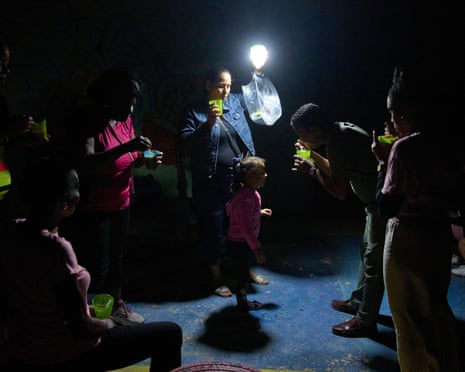
The collapse of Cuba's electrical infrastructure is the latest development in a long-running energy crisis that has its roots in the US embargo that has restricted the country's access to oil and other essential supplies for decades. With the island's power plants aging and in desperate need of repair or replacement, the loss of fuel imports has pushed the system to the breaking point, leaving millions of Cubans to endure frequent and unpredictable blackouts.
The current crisis has sparked widespread frustration and even violence, as Cubans grow increasingly weary of the hardships caused by the crippling US sanctions. Last weekend, protesters took to the streets in a rare display of public unrest, clashing with security forces as they vented their anger over the worsening power outages and shortages of basic goods.
Experts say that resolving Cuba's energy crisis will require substantial investment and modernization of the country's power grid, as well as a lifting of the US embargo to allow for the import of necessary fuel and equipment. However, with the US administration showing little willingness to ease the sanctions, the outlook for a swift resolution remains uncertain, leaving millions of Cubans to continue enduring the consequences of a crisis not of their own making.
Source: The Guardian


