
Cuba's Energy Crisis: Lives at Risk Without Fuel

Cuba faces a severe energy crisis as US blockade cuts oil supplies. Healthcare collapse, water shortages, and infant mortality risks threaten the island's population.
As Cuba's energy crisis deepens into its fifth month, the humanitarian consequences have moved far beyond theoretical discussions and economic projections. The devastating impacts are now woven into the fabric of everyday existence for millions of Cubans struggling to survive without adequate power and resources. The situation represents one of the most serious challenges the island nation has faced in decades, with ramifications extending across healthcare, sanitation, and basic human survival.
The nightly transformation of Cuban streets tells a stark story about the fuel shortage gripping the island. As darkness falls earlier each evening, neighborhoods empty as residents retreat indoors, their activities halted by the absence of electricity. The psychological toll of these prolonged blackouts extends beyond mere discomfort—it reflects a systemic collapse in energy infrastructure that threatens the foundation of modern life. Streetlights remain permanently dark, businesses shutter their doors prematurely, and the bustling evening culture that once defined Cuban cities has been replaced by an eerie silence.
Healthcare institutions across Cuba are implementing severe operational restrictions that fundamentally compromise their ability to serve patients. Hospitals and medical facilities are forced to drastically curtail services, operating only essential departments during limited hours when backup generators function. Surgical procedures are postponed indefinitely, diagnostic equipment sits idle, and medical professionals work under conditions that would be unacceptable in most developed nations. The inability to maintain consistent electricity threatens not only routine medical care but also emergency response capabilities, potentially turning survivable conditions into fatal outcomes.
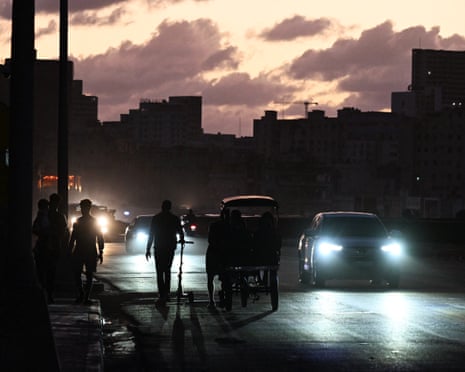
The US blockade on oil imports stands as the primary catalyst for Cuba's current catastrophe. Decades of economic sanctions have systematically isolated the island from global energy markets, forcing the nation to depend almost entirely on Venezuelan oil supplies. This precarious arrangement collapsed when Venezuelan oil shipments dried up, leaving Cuba without alternative energy sources and unable to purchase fuel on international markets due to the comprehensive embargo restrictions. The blockade's humanitarian consequences have become impossible to ignore as critical infrastructure fails and basic survival needs go unmet.
Access to clean water represents one of the most alarming consequences of the energy shortage's impact on infrastructure. Water treatment and distribution systems depend entirely on electricity to function, and with power severely rationed, millions of Cubans have lost reliable access to potable water. Families are forced to boil untreated water for drinking and cooking, a process that consumes precious fuel and creates additional hardship. The contamination risks associated with compromised water systems have created a breeding ground for waterborne diseases, particularly affecting the most vulnerable populations including children and the elderly.

Infants and young children face unprecedented health risks as the healthcare system deteriorates under the weight of energy constraints. Neonatal units struggle to maintain adequate temperature control, incubators lack consistent power supply, and vaccination programs face disruption as refrigeration for medicines becomes unreliable. Premature infants who would normally survive with proper medical intervention now face mortality risks that haven't existed in Cuba for generations. The loss of reliable electricity in maternity wards and pediatric facilities represents a crisis within a crisis, threatening an entire generation of Cuba's youngest citizens.
The convergence of multiple humanitarian challenges creates a cascading effect that amplifies suffering across the population. When electricity becomes scarce, water purification fails. When water becomes contaminated, disease rates soar. When hospitals lack power, medical responses become impossible. When small businesses close due to energy rationing, employment disappears and families lose income needed for survival. This interconnected collapse of essential services demonstrates how energy poverty translates directly into human suffering and preventable deaths.
The human cost of this humanitarian crisis in Cuba extends beyond statistics and policy debates. Real families face impossible choices between purchasing food or fuel to boil water. Parents watch their children suffer from treatable illnesses that become fatal due to unavailable medical care. Healthcare workers perform their duties under conditions of severe deprivation, knowing that their capacity to save lives has been systematically eroded by circumstances beyond their control. The dignity and quality of life that Cubans built over generations is being stripped away by forces largely external to their control.
International humanitarian organizations have begun documenting the scale of the crisis, warning that immediate intervention is necessary to prevent a full-scale public health catastrophe. The window for preventive action is closing rapidly, as each week of continued energy shortage pushes more vulnerable populations toward critical thresholds. Without immediate access to fuel and restoration of basic services, forecasts suggest that mortality rates will continue climbing, particularly among infants, elderly citizens, and those already managing chronic health conditions.
The fuel emergency facing Cuba represents not merely an economic challenge but a profound moral crisis that demands urgent international attention. The blockade policies that contribute to this situation raise fundamental questions about collective responsibility and humanitarian obligations that transcend political disagreements. As Cubans face increasingly desperate circumstances, the global community must grapple with whether political disputes justify the suffering of millions of ordinary people who had no role in creating the conditions that led to this catastrophe.
Source: The Guardian


