
Cuba's Power Crisis: Millions Left in Darkness as Grid Collapses

Cuba's power grid has collapsed, leaving millions without electricity due to chronic fuel shortages exacerbated by the US blockade. Explore the devastating impact and efforts to restore power across the island.
The Caribbean island of Cuba has been plunged into darkness as its power grid has collapsed, leaving millions of residents without electricity. This crisis has been fueled by the country's chronic fuel shortages, which have been exacerbated by the ongoing US blockade on oil shipments to the island.
The power outages have had a devastating impact on the daily lives of Cubans, disrupting essential services, affecting hospitals, and forcing people to adapt to life without reliable access to electricity. Hospitals have been forced to rely on backup generators, while businesses and homes have been left in the dark, struggling to cope with the lack of power.
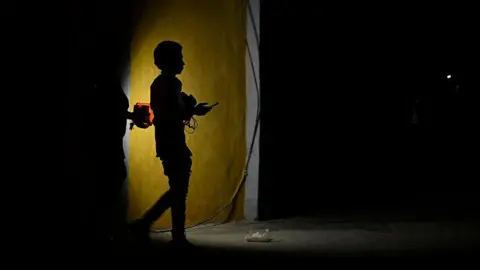
The collapse of the power grid is the result of a perfect storm of factors, including the US-imposed trade embargo, which has severely limited Cuba's ability to acquire the necessary fuel and spare parts to maintain its aging electricity infrastructure. The island's reliance on outdated and inefficient power plants has also contributed to the crisis, with many of the facilities struggling to keep up with the growing demand for electricity.
In response to the crisis, the Cuban government has implemented emergency measures, including rolling blackouts and the deployment of additional generators. However, these efforts have done little to address the underlying issues that have led to the power grid's collapse.
Experts have warned that the power outages could have far-reaching consequences for Cuba, potentially exacerbating economic and social tensions on the island. The lack of reliable electricity could also hinder the country's ability to respond to natural disasters and provide essential services to its citizens.
As the crisis continues to unfold, the Cuban government and the international community will need to work together to find sustainable solutions to the country's energy challenges. This will likely require a multifaceted approach, including investment in renewable energy sources, modernization of the power grid, and the easing of the US blockade to allow for the importation of necessary supplies and equipment.
Until these solutions are implemented, the people of Cuba will continue to face the daily struggle of life without reliable electricity, a fundamental necessity for modern society. The power crisis has highlighted the urgent need for the island to address its energy challenges and build a more resilient and sustainable power infrastructure for the future.
Source: BBC News


