
Culture Secretary Dismisses EU Rejoin Talk as 'Odd'

Lisa Nandy criticizes Labour leadership hopeful Wes Streeting's call for UK to rejoin the EU, questioning sudden European focus.
In a pointed rebuke that underscores growing divisions within the Labour party over its European strategy, UK Culture Secretary Lisa Nandy has dismissed calls for Britain to re-enter the European Union as "odd" and poorly timed. Her comments came swiftly following remarks from former Health Secretary Wes Streeting, a prominent figure in the race to lead the Labour party, who suggested that the country's economic and political future would be better served by rejoining the bloc that Britain departed over a decade ago.
The exchange highlights a critical fault line within Labour's post-Brexit positioning, as the party attempts to balance competing visions for the United Kingdom's relationship with continental Europe. Nandy's intervention represents an attempt to quell what some party figures view as an unnecessarily divisive reopening of the Brexit debate, which has dominated British politics since the 2016 referendum. Her dismissal of Streeting's proposal suggests that the Labour leadership is determined to move beyond the acrimonious divisions that have characterized British European policy for the past decade.
Speaking to BBC journalists on Sunday, Nandy expressed her puzzlement at what she characterized as Streeting's sudden and unexpected focus on European affairs. She argued that the comments risked pulling the party backward into the bitter and emotionally charged debates surrounding Brexit, a topic that continues to generate significant tension across the British political landscape. The culture secretary emphasized that the Brexit referendum, held a decade prior, had already settled the matter in the minds of the British electorate and questioned why party figures should seek to relitigate that fundamental decision.

Streeting's comments, delivered over the weekend, had proposed that rejoining the EU represented a logical and necessary step for Britain's future prosperity and international standing. The former health secretary, who is actively positioning himself as a potential successor to the current Labour leadership, framed the rejoin argument in terms of economic opportunity and geopolitical influence. His remarks suggested that maintaining current arrangements with Europe represented a missed opportunity for Britain to reclaim its place at the heart of European decision-making structures and benefit from deeper economic integration.
The timing of both Streeting's proposal and Nandy's response carries significant weight within the context of ongoing Labour leadership discussions. These exchanges reveal fundamental disagreements about how the party should approach its European strategy and whether reopening the Brexit question represents a viable political path forward. The Labour party has traditionally attempted to maintain a pragmatic stance on the EU relationship, neither advocating for rapid rejoining nor completely dismissing the possibility of deeper future engagement with European institutions.
Nandy's critique appears designed to establish boundaries around what the party considers acceptable debate, particularly as various candidates position themselves for leadership roles. By characterizing Streeting's intervention as "odd," she signals that such proposals fall outside the mainstream political consensus that has emerged among senior Labour figures. This positioning suggests that the party leadership remains cautious about reopening the Brexit debate in ways that might alienate voters who supported the original referendum outcome or who have moved on from the issue entirely.
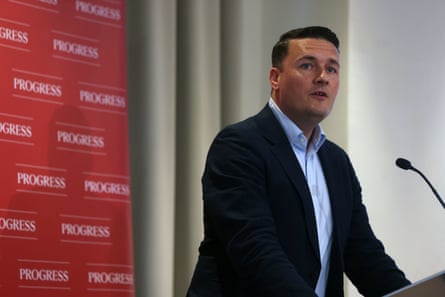
The exchange also reflects broader divisions about how Labour should appeal to voters across different regions and demographic groups who hold varying views on European integration. Many constituencies that shifted from traditional Labour strongholds to Conservative support during recent elections did so partly on the basis of Brexit-related voting patterns. Party strategists have expressed concern that reopening European questions could reactivate these divisions and complicate efforts to rebuild support among working-class voters in traditionally Labour areas.
Streeting's willingness to raise the rejoin question despite the likely critical response suggests that he believes addressing European policy directly serves his strategic interests within the leadership race. His positioning on the issue may appeal to younger, more cosmopolitan Labour voters and those in urban constituencies with strong Remain constituencies. However, Nandy's swift response demonstrates that such positions will face immediate and public challenges from senior party figures concerned about their political viability.
The Brexit debate continues to cast a long shadow over British politics, even as substantive discussions about the terms of Britain's exit have been largely resolved through various agreements and arrangements. However, deeper questions about whether Britain's current relationship with Europe represents an optimal arrangement remain genuinely contested within political circles. The fact that figures of Streeting's seniority are willing to raise the question publicly suggests that the debate may not be as settled as Nandy suggested.
The response from Nandy also demonstrates the careful political calculations that Labour figures must navigate as the party seeks to govern effectively while acknowledging legitimate debate within its ranks. Senior officials must balance their desire to project unity and forward-looking governance with the realities of genuine policy disagreements about crucial matters affecting Britain's future. Nandy's measured but clear rejection of Streeting's position represents an attempt to establish that certain boundaries exist around acceptable party discourse.
Looking forward, the outcome of this exchange may shape how the Labour party approaches European policy in subsequent months and years. If the party collectively moves toward a more firmly pro-European or rejoin-sympathetic position, Streeting's intervention could be viewed as prescient positioning. Conversely, if the party maintains its current cautious approach, Nandy's critique will likely be remembered as having successfully contained a potentially divisive proposal before it could gain significant traction.
The disagreement between these two senior Labour figures ultimately reflects broader tensions about Britain's place in the world following its departure from the EU. While the formal legal arrangements surrounding Brexit have been implemented, the fundamental questions about whether those arrangements serve British interests optimally continue to generate serious debate among policymakers and political leaders. The willingness of figures like Streeting to engage with these questions suggests that the Brexit conversation may not have reached its final conclusion in British politics, despite the sentiment expressed by those like Nandy who believe the matter is settled.
Source: The Guardian


