
Cuneflow's AI E-Paper Tablet Records Meeting Notes

Cuneflow's innovative e-paper writing tablet combines AI technology with voice recording to automatically transcribe meetings. Discover how this device simplifies note-taking.
Cuneflow's e-paper writing tablet represents a significant advancement in how professionals handle meeting documentation and note-taking workflows. This innovative device seamlessly integrates artificial intelligence technology with traditional writing surfaces, eliminating the tedious task of manually transcribing meeting minutes. By combining the familiar tactile experience of writing on paper with modern digital capabilities, Cuneflow has created a solution that bridges the gap between analog and digital productivity tools.
The device features a built-in voice recorder that captures audio during meetings, allowing users to focus entirely on their discussion rather than frantically scribbling notes. This hands-free recording capability means participants can maintain better eye contact and engagement with colleagues, fostering more productive dialogue. The integrated microphone quality has been optimized to capture clear audio even in typical office environments with background noise, ensuring that the transcription process yields accurate results.
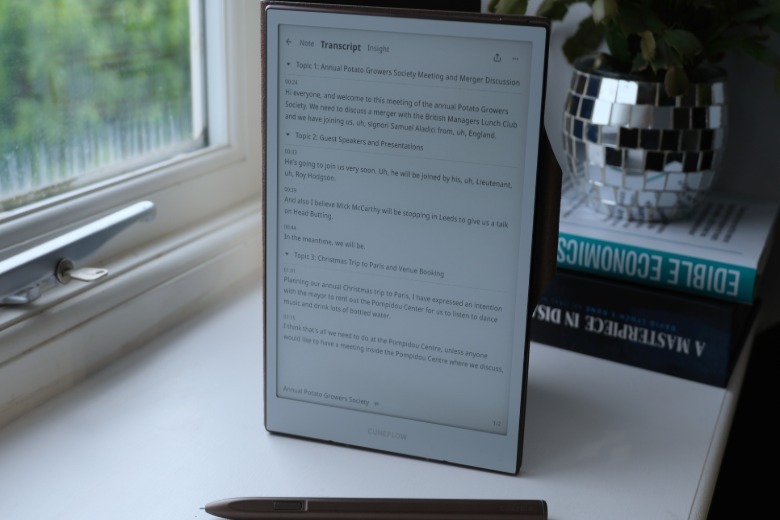
One of the most compelling features of this AI-powered e-paper tablet is its automatic transcription functionality, which converts recorded meetings into text format with impressive accuracy. The artificial intelligence underlying this process has been trained on extensive audio datasets, enabling it to recognize various accents, speaking patterns, and technical terminology commonly used in business environments. This intelligent transcription system significantly reduces the time professionals spend converting voice recordings into written documentation.
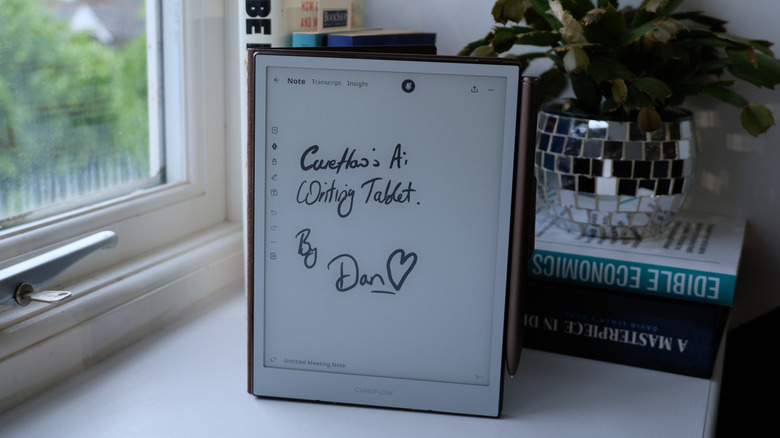
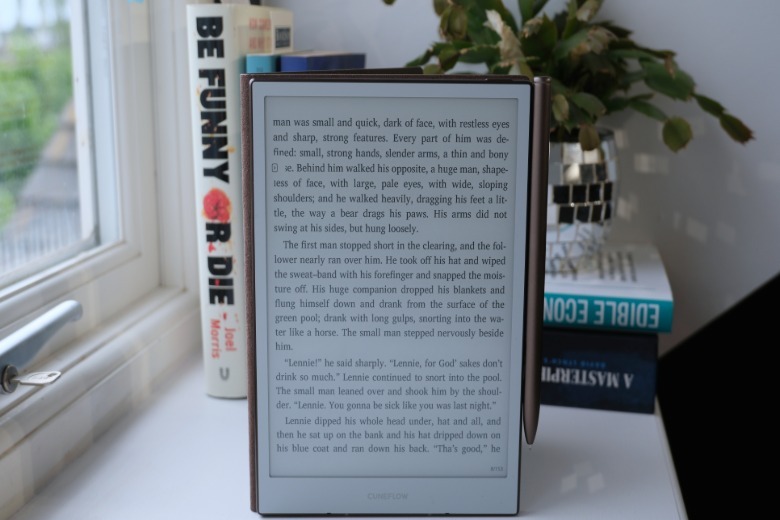
The e-paper display technology used in Cuneflow's tablet provides numerous advantages over traditional LCD screens. Users experience significantly reduced eye strain during extended writing sessions, as the display mimics the appearance and feel of actual paper. The low power consumption of e-paper technology means the device can operate for extended periods on a single charge, making it ideal for professionals who attend multiple meetings throughout the day without access to charging stations.
Writing on the Cuneflow tablet feels remarkably natural, thanks to advanced pressure-sensitivity technology and precision stylus design. The device accurately captures the nuances of handwriting, preserving the user's personal writing style while maintaining digital compatibility. This makes it particularly valuable for professionals who prefer handwritten notes for better retention and comprehension, while still benefiting from digital accessibility and searchability of their written content.
The meeting transcription feature operates seamlessly in the background, requiring minimal user intervention. After a meeting concludes, users can access the complete transcript alongside their handwritten notes, creating a comprehensive record of the discussion. The system intelligently timestamps different sections of the transcript, allowing easy cross-referencing between written notes and specific moments in the recorded conversation. This dual documentation approach caters to different learning and retention styles, ensuring that all meeting details are captured accurately.
Integration with popular workplace productivity platforms is a key strength of the Cuneflow system. Users can export both their handwritten notes and AI-generated transcripts to cloud storage services, making them accessible across multiple devices and shareable with team members. The ability to sync content across smartphones, tablets, and desktop computers ensures that meeting documentation is always available when needed, whether in the office or working remotely.
The artificial intelligence driving Cuneflow's transcription service continuously learns from user corrections and feedback. When users manually edit transcripts or clarify specific passages, the system incorporates this information to improve its accuracy for future meetings. This machine learning approach means the transcription quality actually improves over time as individual users interact with the platform, creating a personalized experience tailored to their specific vocabulary and speaking patterns.
Privacy and security considerations have been paramount in Cuneflow's development process. Audio recordings and transcripts are protected with encryption, and users maintain complete control over their meeting data. The company implements industry-standard security protocols to prevent unauthorized access to sensitive business information captured during confidential meetings. This commitment to data protection makes the device suitable for enterprises handling proprietary information and confidential discussions.
For team-based workflows, Cuneflow offers collaborative features that enhance group productivity. Multiple team members can access shared meeting notes and transcripts, leaving comments and highlighting important action items directly within the platform. This collaborative approach to meeting documentation ensures that all stakeholders have a clear understanding of decisions made and responsibilities assigned during meetings, reducing follow-up confusion and miscommunication.
The device's performance across different meeting scenarios demonstrates its versatility and reliability. Whether handling one-on-one conversations, large conference room presentations, or virtual video calls, the recording quality remains consistently high. The automatic transcription accuracy has been tested across various industries and meeting types, showing impressive results that rival human transcription services while providing the advantage of speed and immediate availability.
Battery life represents another significant advantage of the Cuneflow tablet compared to traditional digital note-taking devices. The combination of low-power e-paper display and efficient AI processing means users can work through an entire week of meetings on a single charge. This extended battery life eliminates the frustration of devices dying mid-meeting and removes the need for constant charging infrastructure, making the tablet truly portable and professional.
Accessibility features built into the platform make Cuneflow suitable for users with different abilities and preferences. The voice recording functionality particularly benefits those who prefer audio documentation over traditional note-taking, while the e-paper writing surface appeals to tactile learners. The clear, high-contrast display ensures readability for users with visual sensitivities, and the straightforward interface requires minimal technical expertise to operate effectively.
Looking forward, Cuneflow's roadmap includes additional features that will further enhance the meeting documentation experience. Planned updates will enable real-time translation of meetings conducted in multiple languages, allowing global teams to collaborate more effectively. The development of advanced speaker identification will allow the system to automatically attribute different parts of the transcript to specific meeting participants, creating more detailed and organized meeting records.
The emergence of devices like the Cuneflow tablet reflects broader workplace trends toward AI-enhanced productivity tools. As businesses increasingly recognize the value of capturing and preserving institutional knowledge, solutions that make meeting documentation effortless become essential assets. By removing the burden of manual note-taking and transcription, Cuneflow enables professionals to dedicate their full attention to meaningful discussion and decision-making, ultimately improving meeting effectiveness and workplace efficiency.
Source: Engadget


