
Cyclone Narelle Forces Vulnerable Elderly Evacuations in Katherine, NT

Ex-Tropical Cyclone Narelle triggers major river flooding, forcing frail aged care residents in Katherine, Northern Territory to shelter in an open-sided basketball court.
Cyclone Narelle has forced the evacuation of vulnerable aged care residents in Katherine, Northern Territory as the ex-tropical cyclone triggers major river flooding in the region. Residents from the Rocky Ridge and Katherine Hostel aged care facilities were moved to MacFarlane primary school, where many spent the night in an open-sided basketball court shelter, with rain blowing in as the deep tropical low swept through.
The affected residents are under public guardianship due to reduced mental capacity, and the Northern Territory public guardian says they "would have been very frightened" by the situation. With the threat of flooding, authorities had to quickly evacuate these "vulnerable" elderly individuals to the makeshift shelter, where they faced less-than-ideal living conditions.
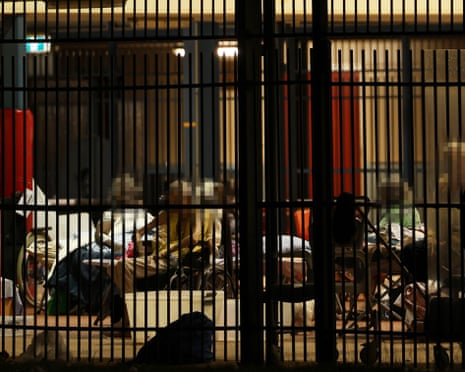
Katherine is no stranger to extreme weather events, having experienced several major floods in recent years. However, the speed and intensity of Cyclone Narelle caught many off guard, leaving officials scrambling to protect the region's most vulnerable populations. The open-sided basketball court, while providing basic shelter, was not an optimal solution for frail aged care residents who require specialized care and support.
Local authorities and aged care providers are now reviewing emergency evacuation protocols to ensure a more dignified and comfortable experience for residents in future natural disasters. The priority remains the safety and wellbeing of these "vulnerable" individuals, many of whom are under public guardianship due to cognitive challenges. As climate change continues to drive more extreme weather events, improving disaster preparedness for sensitive populations will be crucial for communities like Katherine.
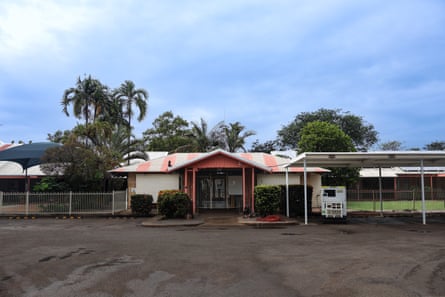
The evacuation of the aged care facilities in Katherine underscores the unique challenges faced by communities in Australia's remote regions when confronted with the impacts of cyclones, floods, and other natural disasters. With limited infrastructure and resources, local authorities must often improvise emergency shelters and rely on the goodwill of the community to support vulnerable residents during these crises.
As the effects of climate change become more pronounced, the need for comprehensive disaster planning and resilience-building in regional and remote areas will only grow more urgent. Lessons learned from the Cyclone Narelle incident in Katherine can help inform best practices for safeguarding the wellbeing of elderly and mentally-impaired individuals during extreme weather events across Australia.


