
Cynthia Erivo Stops Dracula Show Over Audience Recording

Wicked star halts West End performance after spotting audience member filming. Theatre addresses growing problem of unauthorized recordings during shows.
Cynthia Erivo, the acclaimed star of the hit musical Wicked, made an unexpected halt to her one-woman West End production of Dracula on Monday evening after detecting what appeared to be unauthorized filming from the audience. The incident underscores an increasingly pressing concern facing theatres across London's West End and beyond, as venues struggle to enforce strict no-recording policies during live performances. The brief interruption brought attention to the ongoing battle between theatrical productions and patrons who attempt to capture moments from shows through personal devices.
The production, an innovative and ambitious one-woman show in which Erivo single-handedly portrays all 23 distinct characters from Bram Stoker's classic gothic novel, was performing at the prestigious Noël Coward Theatre. According to reports from attendees who shared their experiences on theatre discussion forums, Erivo paused the performance approximately one hour into the show and directly addressed the audience. Eyewitness accounts describe how she looked out into the crowd and asked clearly, "Are you filming? Is someone filming?" before stopping the show entirely to address the situation.
A representative from the production team confirmed that the performance interruption had indeed occurred, though details remained minimal about the exact nature and duration of the stoppage. The incident represents a tangible example of how theatre security and audience conduct have become central challenges for West End productions in the modern era. Rather than simply allowing the violation to continue, Erivo's decision to directly confront the issue demonstrates the commitment of the production to protecting the artistic integrity of the performance and respecting intellectual property rights.
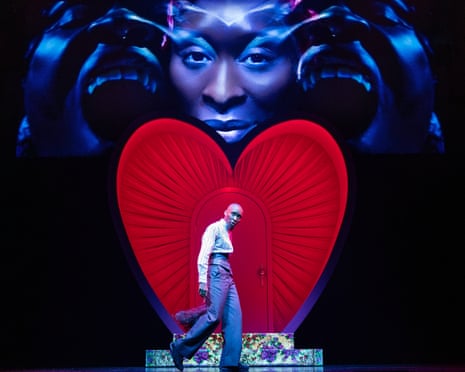
Following the incident on Monday night, the production team took visible measures to reinforce no-recording policies with audiences attending subsequent performances. According to multiple attendees who saw the show the following evening, there were notably increased reminders and announcements about prohibitions on taking photographs and filming during the production. These enhanced warnings demonstrated management's commitment to preventing similar incidents and establishing clear boundaries about what audience members could and could not do during performances.
The problem of unauthorized recordings has become increasingly prevalent across London's West End theatre scene in recent years. Patrons equipped with smartphones and personal recording devices have created significant challenges for theatrical venues, as the allure of capturing and sharing moments on social media platforms like TikTok and Instagram grows stronger. For theatrical productions, unauthorized recordings represent not only potential copyright infringement but also a disruption to the live experience that theatre aims to provide. The issue has forced production companies, theatres, and performers to take increasingly active stances in enforcing these restrictions.
Theatre etiquette and audience conduct have evolved significantly in the digital age, with many venues implementing stricter enforcement mechanisms to combat recording violations. Some theatres have begun using more aggressive deterrents, including placing staff members throughout auditoriums specifically to watch for recording devices, implementing technology to detect unauthorized recordings, and even confiscating phones in extreme cases. The Dracula production's visible response to the Monday night incident, with increased reminders the following evening, reflects these broader industry trends toward more proactive management of audience behavior.
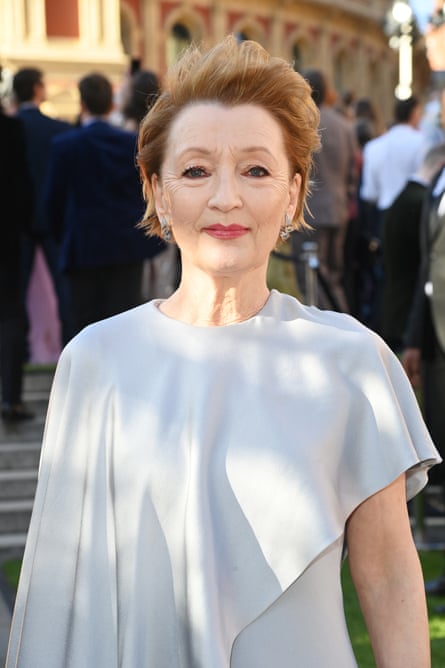
Cynthia Erivo's willingness to pause her West End performance and directly address the audience member demonstrates the seriousness with which performers themselves view this issue. Rather than allowing unauthorized recording to continue, she took immediate action, making it clear that such violations would not be tolerated during her show. This approach sends a powerful message to audiences about the importance of respecting live theatrical performances and the performers who dedicate themselves to their craft each evening.
The Dracula production itself represents a remarkable theatrical achievement, with Erivo's portrayal of multiple characters showcasing extraordinary range and dramatic ability. The one-woman show requires intense focus and energy from the performer throughout each evening's performance. Any disruption, including audience members filming or causing disturbances, directly impacts the quality of the experience for both the performer and fellow audience members who have paid for their tickets and deserve an uninterrupted theatrical experience.
Industry experts and theatre advocacy groups have increasingly called for stronger measures to combat unauthorized recordings at live performances. Intellectual property protection for theatrical productions is a matter of significant concern, as unauthorized recordings can potentially be distributed online, depriving the production company, performers, and theatres of revenue and potentially spoiling the experience for potential ticket buyers. Educational campaigns about proper theatre etiquette have become more common, with many venues including explicit information about recording prohibitions on their websites and in pre-show announcements.
The incident at the Noël Coward Theatre occurs within a broader context of heightened awareness about audience conduct in theatrical settings. Many West End venues have expanded their house rules and audience guidelines to specifically address recording and photography violations. These policies are communicated through various channels, including printed house rules provided at entry, verbal announcements before performances, and digital reminders on theatre websites and booking platforms. The hope is that greater awareness will lead to better compliance among theatre-goers.
Looking forward, the theatre industry will likely continue to develop new strategies for addressing unauthorized recordings while maintaining the welcoming and inclusive environment that live theatre ideally provides. Balancing audience accessibility with intellectual property protection remains a challenge, but it is one that theatre professionals and venue operators are increasingly equipped to handle. Cynthia Erivo's decisive action during the Monday performance stands as a reminder that performers themselves play an important role in enforcing these crucial boundaries and maintaining the integrity of the theatrical experience.


