
Darts Star Moves to Protect His Face from AI Impersonators

Luke Littler, a rising darts star, has applied to trademark his face to prevent its unauthorized use in AI-generated content and counterfeit merchandise.
Luke Littler, a young darts sensation, has taken a unique step to combat the growing threat of AI-generated impersonations and counterfeit merchandise - he has applied to trademark his own face. The 18-year-old prodigy, who has already made a name for himself in the sport, is seeking to protect his image from being exploited without his consent.
Littler's face has been used legally on various darts-related merchandise, including items such as snacks and fashion brands. However, with the rise of AI-powered content creation, there is a growing concern that his likeness could be used in misleading or unauthorized ways. By trademarking his face, Littler aims to gain more control over how his image is used, ensuring that any commercial use is properly licensed and authorized.
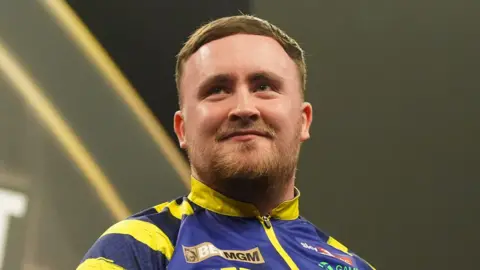
The move comes as the darts industry, like many other entertainment and sports sectors, grapples with the challenges posed by AI technology. Deepfakes, or AI-generated media that replaces a person's face or voice with a synthetic version, have become a growing concern, as they can be used to create misleading or fraudulent content. Littler's decision to trademark his face is a proactive step to protect his personal brand and reputation.
"As a young athlete, I've seen firsthand how my image can be used in ways that I don't have control over," Littler said in a statement. "By trademarking my face, I'm taking a stand to ensure that any use of my likeness is done with my knowledge and approval. I want to be in control of how my brand is represented, both online and in the real world."
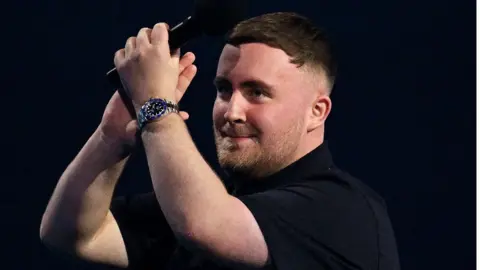
The darts industry has faced similar challenges with unauthorized use of player images and likenesses. In recent years, several high-profile darts players have taken legal action against companies that have used their images without permission. Littler's move to trademark his face is part of a growing trend among athletes and celebrities seeking to protect their digital identities.
"This is a smart and proactive step for Luke Littler to take," said sports marketing expert Alex Jones. "As AI and digital technology continue to evolve, we're going to see more and more athletes and celebrities looking for ways to safeguard their personal brands. Trademarking your face is a powerful tool in that fight."
Littler's application to trademark his face is currently under review, and if successful, it could set a precedent for other athletes and public figures seeking to protect their digital identities. As the lines between the physical and digital worlds continue to blur, such measures may become increasingly common in the years to come.
Source: BBC News


