
Data Centers' Emissions Could Rival Entire Nations

New research reveals data center projects powering AI giants could generate greenhouse gases exceeding Morocco's 2024 emissions. Environmental impact analysis.
The explosive expansion of data centers driven by artificial intelligence demand is creating an unprecedented environmental challenge that few policymakers are adequately addressing. According to recent analysis of air permit documents examined by industry researchers, natural gas projects linked to just 11 major data center campuses across the United States possess the potential to generate more greenhouse gas emissions than Morocco—an entire nation of over 37 million people—produced during the entirety of 2024. This sobering finding underscores the massive carbon footprint associated with powering the computational infrastructure behind some of the world's most influential technology companies.
The data center projects in question are being developed specifically to supply energy-intensive operations for prominent AI companies including OpenAI, Meta, Microsoft, and xAI. These corporations have invested billions in computational capacity to support large language models and other artificial intelligence systems that have captured global attention and driven technological innovation at an unprecedented pace. However, the environmental cost of this digital revolution is becoming increasingly apparent as regulators and environmental advocates scrutinize the infrastructure requirements needed to sustain these advanced technologies at scale.
The emissions estimates derived from air permit documentation reveal a troubling trajectory for the tech industry's carbon footprint. Each of these 11 data center campuses represents a significant industrial operation requiring massive amounts of continuous electrical power, with natural gas serving as a primary fuel source for backup generators and direct power generation. The cumulative effect of multiple projects operating simultaneously creates an aggregate environmental impact that rivals the total emissions produced by mid-sized sovereign nations, raising critical questions about the sustainability of current AI infrastructure development strategies.
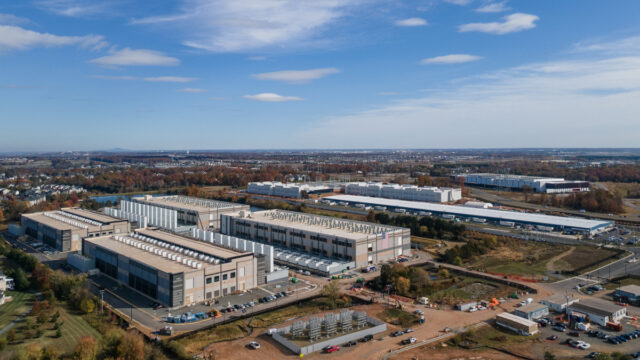
The context of this environmental challenge becomes more acute when examining the rapid acceleration of data center construction across North America. Tech giants have announced enormous facility expansion plans to meet projected demand for AI computing resources, with some estimates suggesting a doubling or tripling of current capacity over the next five to ten years. This growth trajectory, if left unchecked, could result in data center emissions becoming one of the fastest-growing contributors to overall greenhouse gas levels in the United States and globally.
Morocco's 2024 carbon emissions serve as a particularly instructive benchmark for comparison. The North African nation, with its diverse economy spanning agriculture, mining, manufacturing, and tourism, produced emissions across all economic sectors combined. By comparison, the 11 data center projects operate within a single industry vertical and are concentrated in specific geographic locations. This concentration of emissions within a narrowly defined sector and geography highlights how individual technology infrastructure projects can rival the environmental impact of entire national economies.
The reliance on natural gas as a primary energy source for these data center operations presents a fundamental challenge to climate goals and carbon reduction targets. While some data center operators have committed to renewable energy procurement and carbon offset programs, the physical reality remains that substantial portions of their operations are powered by fossil fuels, either directly or through grid power sources that incorporate natural gas generation. This dependency on carbon-intensive energy sources contradicts broader climate commitments that many technology companies have publicly announced.
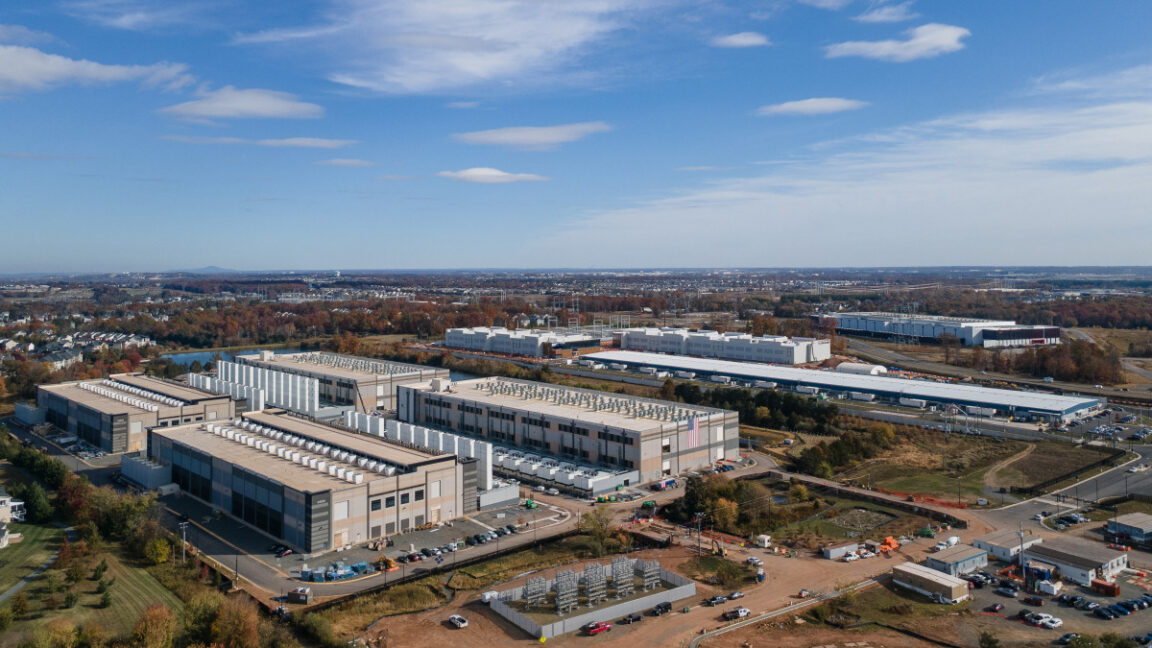
Regulatory oversight of data center environmental impact varies significantly across different jurisdictions and states. Some regions have implemented stricter environmental review processes for large industrial projects, while others have accelerated permitting to attract technology investment and job creation. This patchwork regulatory landscape creates incentives for companies to locate facilities in areas with more lenient environmental standards, potentially exacerbating emissions concentrations in specific regions while allowing other areas to avoid the burden of climate-impacting infrastructure.
The environmental organizations and climate advocates have begun raising alarm about the insufficient attention paid to data center emissions in broader climate policy discussions. Most international climate agreements and national emissions reduction targets were established prior to the exponential growth in AI computing demands. As a result, current regulatory frameworks may not adequately account for or address the rapidly expanding environmental footprint of the technology sector's infrastructure needs. Policymakers are increasingly recognizing the need for updated frameworks that specifically address the unique challenges posed by large-scale data center development.
Industry representatives argue that their operations are becoming progressively more efficient through technological improvements and that many facilities incorporate renewable energy sources into their energy portfolios. Companies such as Microsoft, Google, and others have invested in research aimed at reducing the energy requirements of computational processes and increasing reliance on clean energy sources. However, these efficiency gains have been consistently outpaced by the sheer growth in demand for computing capacity, resulting in net increases in overall emissions despite per-unit efficiency improvements.

The geopolitical dimensions of data center expansion add additional complexity to the environmental equation. Countries and regions are competing to attract major technology companies and their associated infrastructure investments, viewing them as sources of economic growth, employment, and technological advancement. This competitive dynamic can incentivize regions to minimize environmental restrictions in order to secure major projects, potentially leading to a race to the bottom in terms of environmental standards. The tension between economic development goals and climate objectives creates challenging policy trade-offs for local and national governments.
Looking forward, addressing the environmental implications of accelerating AI infrastructure growth will require coordinated action across multiple fronts. Technology companies will need to substantially increase investments in renewable energy procurement and grid decarbonization efforts. Policymakers must develop and implement regulatory frameworks that adequately account for data center emissions in climate planning and carbon accounting systems. Additionally, research initiatives aimed at fundamentally reducing the computational energy requirements for AI systems could provide breakthrough solutions to the infrastructure sustainability challenge.
The data center emissions issue also intersects with broader questions about the societal benefits and costs of rapid AI development. While artificial intelligence technologies promise significant advances in scientific research, medical diagnostics, and various industrial applications, the environmental costs of the computational infrastructure required to power these systems deserve careful consideration in cost-benefit analyses. Society must grapple with questions about whether the benefits of accelerated AI deployment justify the environmental burden, or whether development timelines should be moderated to allow for adequate environmental mitigation strategies to develop in parallel.
The 11 data center campuses examined in the analysis represent only a fraction of total data center development projects underway across North America. Additional facilities in planning stages, under construction, or recently completed will add substantially to the cumulative emissions burden. Without significant policy interventions or technological breakthroughs, the aggregate environmental impact of data center infrastructure supporting AI technologies will likely exceed the emissions of many additional nations within the next several years, creating an unprecedented environmental challenge emanating from a single industry sector.
Source: Ars Technica


