
Datacenter Disruption: How Tech Giants Are Transforming Small-Town America

Explore how the rapid expansion of datacenters across the US is creating a growing divide between municipal governments and local residents, leading to conflicts and controversies.
Datacenter expansion across the United States is causing increasing tensions between municipal governments and local residents, with concerns over transparency, tax incentives, and the broader impact on small-town communities. The story of Wilmington, Ohio serves as a prime example of this growing digital divide.
Quintin Koger Kidd, a Wilmington resident, was so troubled by alleged open meeting violations and other discrepancies from his local public officials that he filed a court complaint to have the mayor and city council members removed from their posts. But Koger Kidd's concerns only escalated when he learned that the city was supporting Amazon Web Services' plans to build a $4 billion datacenter on 500 acres south of town.
Amazon has sought a tax abatement that would see its datacenter exempt from paying property taxes for 30 years, in exchange for funding local schools and infrastructure projects. This arrangement has left many residents feeling that their municipal leaders are more beholden to the interests of tech giants than to the needs of the community.
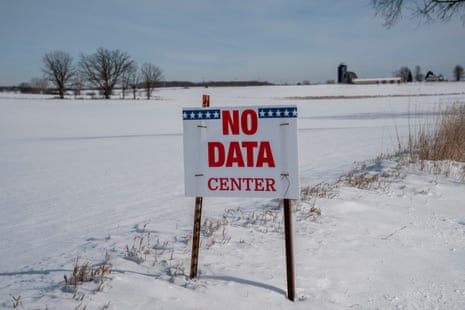
The rapid rollout of datacenters across the United States is creating a growing divide between municipal governments and the residents they serve. While local officials often see these projects as an opportunity to drive economic development and investment, many community members are concerned about the lack of transparency, the long-term impacts, and the power dynamics at play.
This tension is playing out in small-town America, where the arrival of these massive, high-tech facilities can disrupt the traditional social and economic fabric of a community. Residents like Quintin Koger Kidd are increasingly questioning whether the promised benefits of these projects outweigh the potential costs, both visible and unseen.
As the digital colonization of these rural and exurban areas continues, the debate over the role of datacenters in small-town America will only intensify. Policymakers, community leaders, and tech companies will need to find ways to balance the economic opportunities with the legitimate concerns of residents, ensuring that the growth of this industry does not come at the expense of the very communities it seeks to serve.


