
De-Extinction Firm Develops Artificial Egg Technology

Biotech startup Colossal announces breakthrough in artificial eggshell technology, enabling chick development outside traditional eggs for species revival.
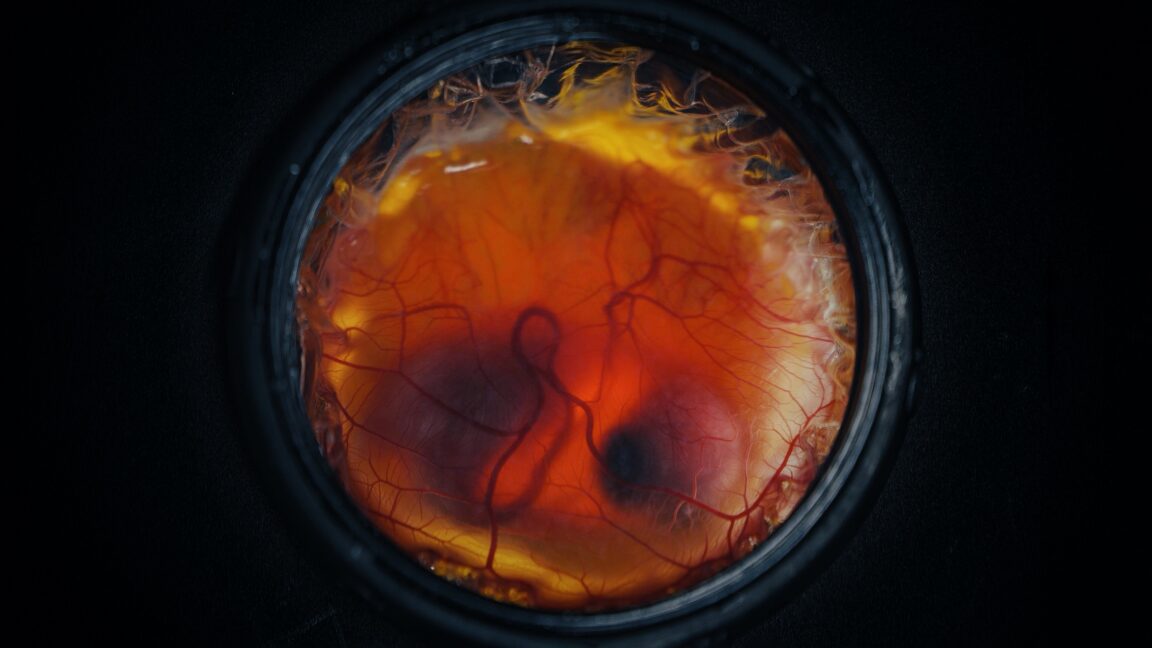
In a significant breakthrough for the field of biotechnology, biotech startup Colossal unveiled its latest innovation on Tuesday, marking another milestone in its ambitious mission to reverse species extinction. The company has successfully developed an artificial eggshell that facilitates nearly complete embryonic development without requiring a traditional chicken egg. By transferring egg contents into their specially engineered container within one to two days of laying, the team demonstrated that viable chicks could emerge and walk away from the artificial environment, representing a transformative achievement in reproductive biotechnology.
This breakthrough carries implications far beyond Colossal's primary de-extinction objectives, as it addresses fundamental challenges that researchers have grappled with for decades. The artificial egg technology potentially solves longstanding problems that arose during avian developmental research, opening new possibilities for understanding vertebrate biology and embryogenesis. The development showcases how cutting-edge bioengineering can tackle complex biological constraints and pave the way for innovative solutions in both conservation and scientific inquiry.
Understanding the significance of this achievement requires context about the challenges inherent in studying embryonic development. For many years, researchers studying vertebrate development have relied on chicken embryos as model organisms due to their accessibility and biological relevance to human development. The chicken's external development—occurring outside the mother's body—offered researchers a unique advantage compared to mammals like mice, despite the greater evolutionary distance between chickens and humans.
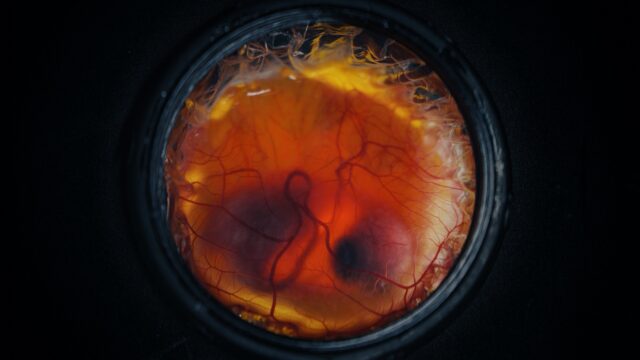
The traditional methodology for studying chicken embryos involved carefully creating a small opening in the eggshell through a meticulous chipping process. Researchers would perform precise manipulations on the developing embryo, observing changes in real-time, before carefully sealing the opening with tape or other materials. This allowed the embryo to continue its normal developmental trajectory while enabling scientists to measure and analyze the effects of their experimental interventions on embryonic biology.
However, this approach presented substantial technical and logistical challenges that hampered research efficiency and capability. The delicate nature of the procedure meant that many embryos would not survive the experimental process, limiting the quantity and quality of data researchers could collect. Additionally, the constraints of working within a sealed eggshell restricted the types of observations and measurements that could be performed, as visual access remained limited and complex monitoring equipment could not be easily integrated.
Colossal's artificial eggshell technology represents a paradigm shift in addressing these longstanding obstacles. By removing the developing embryo from the traditional shell and placing it in a purpose-designed container, researchers gain unprecedented access to the developmental process. The artificial environment appears to maintain the necessary conditions for normal development while providing researchers with superior observational capabilities and experimental flexibility.
The company's primary motivation for developing this technology extends well beyond basic research applications. Colossal's de-extinction mission aims to bring back extinct species by combining genetic engineering with advanced reproductive techniques. For avian species, developing an artificial egg incubation method becomes essential to their strategy, as they work toward recreating extinct bird species through genetic modification and embryonic development.
The process of bringing extinct species back to life through genetic technology requires solving numerous biological challenges. One critical hurdle involves managing embryonic development when working with genetically modified organisms that may not have viable natural reproduction pathways. An artificial egg system provides Colossal with the controlled environment necessary to guide development of animals created through their de-extinction program, ensuring optimal conditions and close monitoring throughout the incubation period.
The implications of this technology for conservation efforts cannot be understated. As biodiversity continues to decline globally due to habitat loss, climate change, and human activity, de-extinction technology offers a complementary strategy to traditional conservation approaches. While protecting existing species remains paramount, having the capability to restore extinct species could reshape conservation priorities and expand possibilities for ecosystem restoration.

Despite this impressive achievement, Colossal and the broader de-extinction field face several significant remaining challenges. Creating a viable artificial incubation environment for chicken embryos represents only the first step in a much longer journey toward reviving extinct species. Each species presents unique biological requirements, metabolic needs, and developmental timelines that demand specialized solutions and extensive research to fully understand.
Furthermore, the genetic engineering component of de-extinction remains extraordinarily complex. Creating organisms with functional genomes reconstructed from fragmentary ancient DNA and filling genetic gaps with sequences from related species requires sophisticated computational biology, gene editing technologies, and extensive testing to ensure the resulting organisms can survive and function properly in modern environments. The challenge multiplies when considering whether revived species could establish viable populations and integrate into existing ecosystems.
Regulatory and ethical considerations also loom large on the horizon for companies pursuing de-extinction. Questions about the welfare of animals created through these processes, the environmental impacts of introducing revived species into ecosystems, and the proper governance frameworks for de-extinction technology remain largely unresolved. Society must grapple with fundamental questions about whether we should resurrect extinct species and, if so, under what circumstances and with what safeguards.
The success demonstrated by Colossal with their artificial egg technology nonetheless represents genuine scientific progress that could accelerate de-extinction efforts. By solving the reproductive biology challenges that have historically limited researchers' ability to work with bird embryos, the company has created new possibilities for understanding avian development and potentially implementing their larger vision for species revival. The controlled environment provided by the artificial egg allows for unprecedented monitoring and intervention capabilities that could prove invaluable across multiple research domains.
Looking forward, Colossal and other organizations in the de-extinction space will likely build upon these foundational achievements to develop more sophisticated artificial reproduction systems. The technology could eventually extend beyond chickens to other avian species and potentially to reptiles and other organisms, greatly expanding the toolkit available to conservation researchers and de-extinction specialists. Each success in this domain brings the possibility of reversing extinction closer to reality, though much work remains before that vision becomes fully realized.
Source: Ars Technica


