
De La Hoya Warns Ali Act Changes Could Hurt Boxers

Oscar De La Hoya and fighters testify against proposed Ali Act overhaul that could centralize boxing control, risking fighter leverage and rights in Senate hearing.
A pivotal Senate hearing on Wednesday exposed fundamental disagreements about the future of professional boxing, with veteran figures like Oscar De La Hoya raising serious concerns about proposed changes to the Ali Act and its potential impact on fighter protections. The hearing highlighted a critical juncture for the sport, where competing visions for boxing's governance structure could reshape how fighters negotiate contracts, select opponents, and maintain control over their careers. On one side, established boxing personalities argued passionately that modifications to the landmark legislation would diminish fighter autonomy, while on the other, proponents backed by Ultimate Fighting Championship interests pushed for a centralized regulatory model they claim would modernize the sport.
The testimony revealed deep concerns about consolidating boxing's fractured governance structure under a unified system. Critics of the proposed overhaul emphasized that boxing's current multi-sanctioning body framework, while complicated, provides fighters with competitive alternatives and negotiating leverage. Professional boxer Nico Ali Walsh articulated this concern powerfully to lawmakers, stating: "When one system controls access, choice becomes theoretical, not real. When that happens, you fight who you're told to fight or you don't fight at all." This warning underscored the existential stakes for boxers who depend on maintaining multiple pathways to lucrative bouts and championship opportunities.
The Senate hearing underscored a fundamental tension in boxing reform efforts. Supporters of the centralized model argue that unified boxing bodies would eliminate redundancies, increase investment in the sport, and create a more professional regulatory environment comparable to other major sports. They contend that boxing's current splintered system—with multiple sanctioning organizations issuing competing titles and rankings—confuses fans, fragments television audiences, and discourages corporate investment. These advocates suggest that streamlining governance could boost overall revenues, benefiting the sport's infrastructure while potentially increasing purses for top-tier fighters.

However, the opposing camp presented compelling counterarguments grounded in decades of boxing history and fighter welfare considerations. Oscar De La Hoya, a former champion who has remained active in boxing circles, emphasized that the proposed changes risked creating an monopolistic environment where fighters would lose essential protections established under the Ali Act of 1999. The original legislation was designed specifically to protect boxers from exploitative practices and ensure competitive opportunities. De La Hoya and other witnesses warned that consolidating power into a unified body could effectively reverse these hard-won protections, leaving athletes vulnerable to unfavorable contract terms and limited competitive choices.
The debate reflects broader questions about how boxing should evolve as a professional sport. Centralization advocates presented data suggesting that a unified governance model could attract institutional investment comparable to what mixed martial arts has received in recent years. They noted that the fragmented sanctioning landscape creates confusion in global markets and undermines broadcasting negotiations. According to their testimony, sponsors and media networks hesitate to invest significantly in boxing because multiple organizations issue overlapping titles that dilute brand value and audience engagement. These reformers argue that creating a single, authoritative governing body could resolve these market inefficiencies.
Conversely, those opposing the Ali Act overhaul contended that any centralization would inevitably concentrate decision-making power in ways that disadvantage fighters. They pointed to boxing's historical problems with exploitation and corruption, arguing that dispersed sanctioning bodies—despite their redundancies—serve as crucial checks on authority. The presence of multiple organizations forces each to compete for fighters' allegiance, which naturally incentivizes better treatment and more favorable terms. Removing this competitive pressure, critics warned, would create conditions where a monopolistic authority could dictate purses, opponent selection, and fight schedules with minimal resistance from athletes.
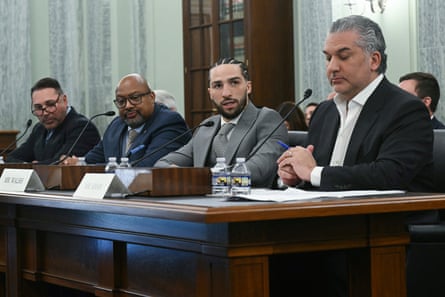
The testimony also touched on the complex relationship between boxing's governance structure and fighter revenues. While centralization proponents predicted that unified governance would increase boxing revenues through better marketing and investment, skeptics questioned whether these increases would actually reach fighters. Historical precedent in other industries suggests that organizational consolidation often concentrates profits at the executive level rather than distributing benefits to individual workers. De La Hoya and allied witnesses expressed particular concern that a centralized model would benefit wealthy executives and investors—including those bankrolling the UFC-connected reform effort—at the expense of rank-and-file boxers.
The hearing process itself revealed important nuances in the broader sports governance debate. Lawmakers heard testimony not just from fighters and established boxing figures but also from promoters, sanctioning body representatives, and independent experts. The diversity of perspectives underscored that the Ali Act question involves genuinely competing values and legitimate concerns on both sides. Supporters of unified governance were not dismissing fighter welfare concerns but arguing that centralization could ultimately serve fighters better through increased investment and professional management. Conversely, reformers defending the status quo acknowledged legitimate frustrations with boxing's fragmented structure but argued that imperfect decentralization was preferable to centralized control.
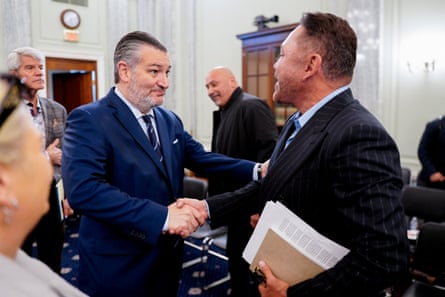
The Senate hearing highlighted an often-overlooked aspect of sports governance: the tension between structural efficiency and competitive protection for athletes. Other professional sports offer mixed lessons about centralization. The NFL, NBA, and MLB operate under essentially centralized governance, yet athletes in these sports have secured substantial bargaining power through strong unions and collective bargaining agreements. Boxing lacks an equivalent unified athlete organization, which complicates any transition to centralized governance. Without robust athlete representation built into any new structure, the risk of centralization benefiting only executives becomes substantially higher.
Looking forward, the Senate hearing suggested that any serious Ali Act modifications would need to address these fundamental concerns about fighter leverage and rights. Lawmakers appeared interested in exploring whether centralization could occur within a framework that still protected boxer autonomy and competitive opportunities. The conversation may eventually move toward hybrid models that capture some efficiency benefits of unified governance while maintaining safeguards that prevent monopolistic control over fighter careers. Such compromises would require genuine negotiation among stakeholders with fundamentally different interests and priorities.
The hearing ultimately reflected boxing's broader struggle to modernize while respecting its unique culture and the hard-won protections boxers have fought for throughout its history. The sport faces genuine challenges—fragmented governance, declining television ratings, difficulty attracting corporate investment—that advocates for reform appropriately highlighted. However, the historical reality that boxing fighters have been particularly vulnerable to exploitation and unequal power dynamics cannot be dismissed. Any path forward must carefully balance the genuine benefits that structural modernization could provide against the real risks of empowering centralized authorities unchecked by competitive alternatives and robust athlete protections. The Senate's continued engagement with these questions suggests that substantive boxing reform remains a serious possibility, even if the specific form that reform takes remains contested and uncertain.
Source: The Guardian


