
Deadly California Avalanche Claims Lives of Close Friends

A devastating avalanche on Castle Peak near Lake Tahoe killed multiple backcountry skiers from a tight-knit group during a winter storm expedition.
A devastating portrait is unfolding of what authorities are calling one of the most catastrophic avalanche disasters in United States history, revealing the tragic stories of women who were part of an incredibly close-knit circle of friends. These victims, described by survivors and family members as devoted mothers, loving wives, and cherished companions, lost their lives during what was supposed to be an adventurous backcountry skiing expedition in California's Sierra Nevada mountains.
The emergency call that would forever change multiple families came through to the Nevada County Sheriff's Office just moments before the noon hour on February 17th. The urgent 911 report delivered heartbreaking news that would shake the local community to its core: a massive avalanche had struck the slopes of Castle Peak, a formidable 9,110-foot summit located north of the historic Donner Pass in the renowned Lake Tahoe region.
The group of experienced backcountry skiers had been navigating the treacherous mountain terrain during their return journey from what was planned as an exhilarating three-day wilderness expedition. However, their adventure took a fatal turn as they encountered severe weather conditions during an intense winter storm system that had been battering the Sierra Nevada range. While six members of the skiing party managed to survive the catastrophic snow slide, more than half of their companions remained unaccounted for in the immediate aftermath.
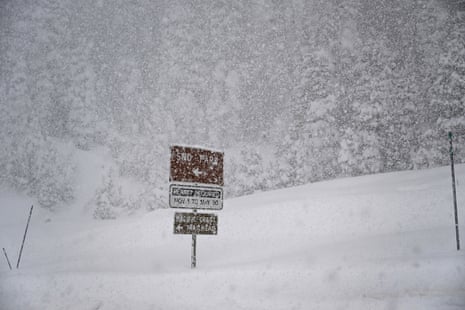
The Castle Peak avalanche has sent shockwaves through the tight-knit outdoor recreation community, where these individuals were well-known and deeply respected for their skiing expertise and passion for mountain adventures. Local authorities and search and rescue teams immediately mobilized extensive recovery operations despite the continuing hazardous weather conditions that complicated their efforts. The challenging terrain and ongoing storm systems created additional risks for emergency responders working tirelessly to locate the missing skiers.
Family members and close friends have begun sharing heartfelt memories of the victims, painting a picture of women who balanced their love for outdoor adventure with deep commitments to their families and communities. These were not inexperienced recreational skiers, but rather seasoned backcountry enthusiasts who understood mountain safety protocols and had years of experience navigating challenging alpine conditions. Their tragic fate underscores the unpredictable and dangerous nature of winter mountain recreation, even for the most prepared and knowledgeable adventurers.
The Lake Tahoe region, renowned for its spectacular skiing terrain and outdoor recreation opportunities, has experienced significant snowfall and unstable conditions throughout the winter season. Avalanche experts have noted that the combination of heavy recent snowfall, wind loading, and temperature fluctuations created particularly hazardous conditions in the backcountry areas surrounding the popular resort destinations. The Castle Peak area, while offering exceptional skiing opportunities, is known among experienced backcountry enthusiasts for its challenging terrain and avalanche-prone slopes.
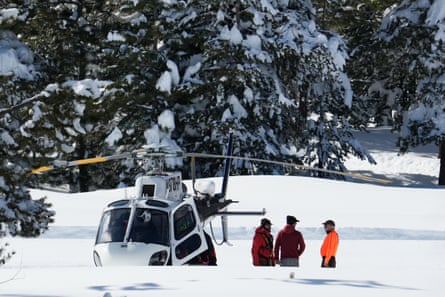
Nevada County officials have emphasized the complexity and scale of the rescue and recovery operation, which required coordination between multiple agencies and specialized mountain rescue teams. The severe weather conditions that contributed to the avalanche also hampered initial response efforts, forcing rescue teams to carefully balance the urgency of their mission with the safety of their personnel. Helicopter operations were severely limited due to high winds and poor visibility, requiring ground-based teams to access the remote avalanche site through challenging terrain.
The Sierra Nevada avalanche has prompted renewed discussions about backcountry safety and the inherent risks associated with winter mountain recreation. Avalanche education experts stress that even the most experienced skiers can find themselves in life-threatening situations when multiple environmental factors align to create unstable snow conditions. The tragic incident serves as a somber reminder of the respect and caution that mountain environments demand from all who venture into their domain.
Community members throughout the Lake Tahoe region and beyond have begun organizing support efforts for the families affected by this devastating tragedy. Local ski clubs, outdoor recreation groups, and mountain rescue organizations have established memorial funds and support networks to assist the survivors and families of those lost in the avalanche. The tight-knit nature of the backcountry skiing community means that the impact of this disaster extends far beyond the immediate families, affecting countless individuals who shared trails, adventures, and friendships with the victims.
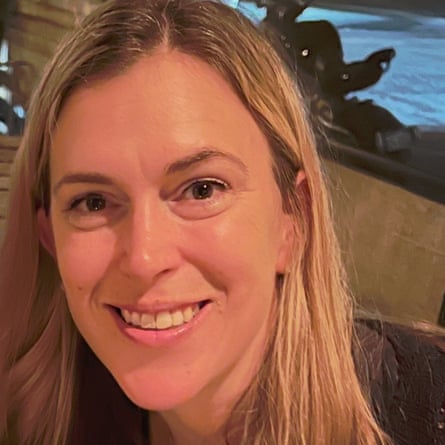
The investigation into the specific circumstances surrounding the fatal avalanche is ongoing, with avalanche specialists and safety experts working to reconstruct the sequence of events that led to the tragedy. Understanding the precise snow conditions, weather factors, and terrain features that contributed to the slide will be crucial for preventing similar incidents in the future. This analysis will likely contribute to ongoing efforts to improve avalanche forecasting and safety education for backcountry enthusiasts.
As the immediate emergency response transitions to longer-term recovery and investigation phases, the focus has begun to shift toward honoring the memories of those lost and supporting their families through this unimaginable tragedy. The women who perished in the Castle Peak avalanche are being remembered not just as skilled skiers and outdoor enthusiasts, but as integral parts of their communities who touched countless lives through their warmth, friendship, and zest for life.
The broader implications of this disaster extend throughout California's winter recreation community, prompting discussions about safety protocols, risk assessment, and the balance between adventure and caution in backcountry environments. As climate change continues to affect snowpack stability and weather patterns in mountain regions, incidents like the Castle Peak avalanche underscore the evolving challenges facing winter outdoor enthusiasts and the ongoing need for comprehensive safety education and preparation.
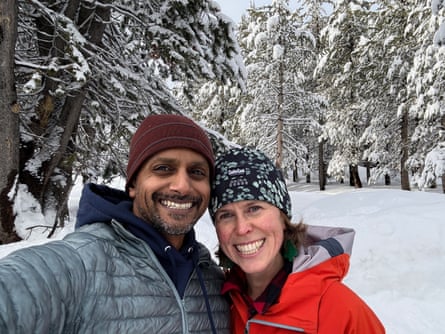
Source: The Guardian


