
Deadly Protests Erupt in Pakistan and Iraq After Iranian Leader's Killing

At least 22 people dead as crowds target US government buildings in Karachi and Baghdad following the killing of Iran's Supreme Leader Ayatollah Ali Khamenei.
The tragic aftermath of the US-Israeli strikes that killed Iran's supreme leader, Ayatollah Ali Khamenei, has resulted in a devastating wave of pro-Iran demonstrations across Pakistan and Iraq. At least 22 people have been reported dead as crowds have taken to the streets, targeting US government buildings in Karachi and Baghdad.
In Karachi, hundreds of protesters marched on the US consulate, chanting slogans against the offensive that claimed Khamenei's life. The crowd eventually entered the reception hall of the consulate building and ignited a small fire, further escalating the tense situation.
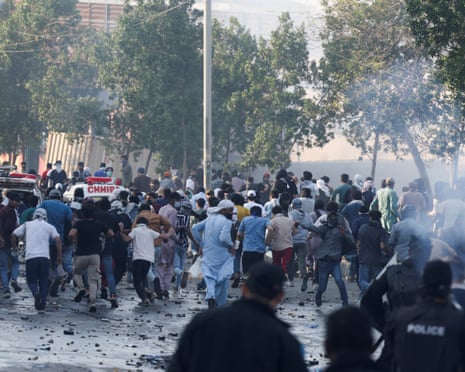
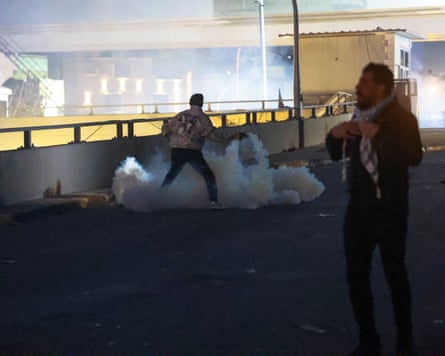
In Iraq, security forces have been forced to respond with tear gas as demonstrators attempted to storm the US embassy in Baghdad. The outpouring of anger and grief over the loss of Iran's revered leader has manifested in these violent outbursts, which have resulted in significant loss of life.
The killings of Ayatollah Khamenei have undoubtedly sent shockwaves throughout the region, and the reverberations of this tragedy are now being felt in the streets of Pakistan and Iraq. As the international community grapples with the aftermath, it is crucial that all sides exercise restraint and seek diplomatic solutions to de-escalate the tense situation.
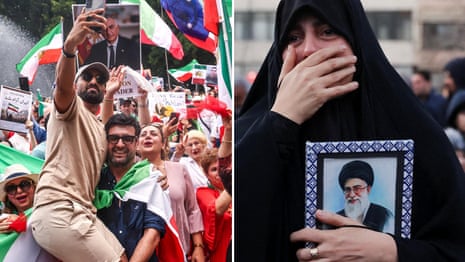
The escalating tensions and the resulting loss of life are a stark reminder of the fragility of the geopolitical landscape in the Middle East. Navigating this complex web of alliances and rivalries will require careful diplomacy and a commitment to finding peaceful resolutions to these conflicts.
As the world watches with bated breath, the fate of the region hangs in the balance, and the path forward will be shaped by the actions of the key players involved. It is crucial that all sides prioritize de-escalation and the preservation of human life as they chart a course through this turbulent period.
Source: The Guardian


