
Democrats Challenge FCC Chair Over ABC License Order

Senate Democrats demand FCC chair Brendan Carr rescind order requiring ABC to renew licenses early. Eight stations face accelerated renewal deadlines.
A coalition of prominent Senate Democrats has formally challenged the Federal Communications Commission's recent regulatory action against ABC, sending an official letter to FCC Chair Brendan Carr on Thursday demanding he reverse course on a controversial licensing order. The letter represents a significant escalation in tension between Democratic lawmakers and the Trump-aligned federal communications authority, highlighting deepening concerns about potential political motivations behind regulatory decisions affecting major media corporations.
The order in question, issued by the FCC just days prior, requires ABC to submit early applications for television license renewal, fundamentally altering the network's compliance timeline. This directive marks an unusual and aggressive move by the federal regulator, as the eight ABC-owned station licenses were not scheduled for renewal until significantly later dates ranging from 2028 to 2031 at the earliest and latest respectively. By mandating that renewal requests be filed by the end of May, the FCC has compressed what would normally be a multi-year timeline into just weeks.
The Democratic senators' intervention signals mounting alarm within the party about what they perceive as politically motivated regulatory overreach. The letter, which was delivered on Thursday, explicitly asks Carr to rescind the accelerated renewal order, arguing that such action represents an unprecedented departure from standard FCC licensing procedures. The lawmakers contend that the dramatic compression of renewal deadlines places undue burden on the network and may constitute an improper exercise of regulatory authority.
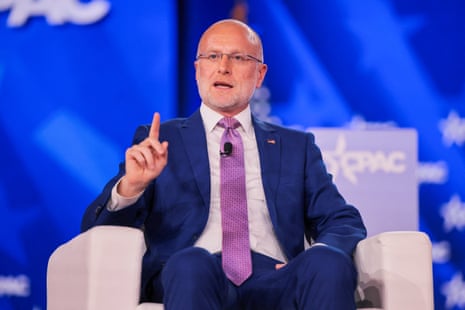
Brendan Carr, who chairs the FCC, has long been considered closely aligned with former President Trump and his political agenda. His leadership of the agency has already drawn scrutiny from media watchdog groups and Democratic lawmakers concerned about potential bias in regulatory decisions. The issuance of the ABC licensing order without what Democrats characterize as adequate justification or advance notice has intensified these concerns, with critics viewing it as a potential example of the administration using federal regulatory power to pressure media organizations deemed unfavorable to its interests.
The timing of the FCC's action is particularly noteworthy given the current political climate. ABC, as one of the major broadcast networks, has attracted criticism from Trump and his supporters over its news coverage and entertainment programming, particularly regarding late-night shows like Jimmy Kimmel Live. The network's current owner, The Walt Disney Company, has also faced various regulatory scrutiny in recent years, adding another layer of complexity to the FCC's licensing decision.
The eight affected stations, which are directly owned and operated by ABC, represent valuable assets in the broadcast television landscape. These owned-and-operated stations, or O&Os, are distinct from the numerous affiliate stations that carry ABC programming across the country. The accelerated renewal timeline therefore has direct implications for ABC's corporate structure and operational planning, requiring the network to prepare comprehensive renewal applications under significant time pressure.
Standard FCC licensing procedures typically allow broadcasters ample time to prepare renewal applications, which require demonstrating compliance with various regulatory requirements and public interest obligations. The compressed timeline imposed on ABC stands in contrast to normal regulatory practice and has prompted questions about whether the FCC followed proper procedural protocols in issuing the order. Legal experts have noted that the accelerated deadline could potentially violate due process expectations that broadcasters typically receive for such significant regulatory actions.
The Democratic senators' letter is expected to carry significant weight within FCC deliberations, as legislative pressure can influence regulatory decision-making. However, with Republicans controlling the Senate and the presidency, the immediate prospects for overturning Carr's order appear limited. Nevertheless, the Democratic intervention ensures that the licensing dispute remains a high-profile matter and creates a formal record of opposition to the FCC's action that could become relevant in future legal challenges or oversight proceedings.
The ABC licensing controversy has broader implications for concerns about media independence and regulatory capture. Media advocacy organizations have expressed alarm that federal regulators might use licensing authority as a tool to influence editorial decisions or punish news organizations for unfavorable coverage. The principle of broadcaster independence from political pressure has long been considered essential to a healthy media ecosystem and democratic system.
ABC has not publicly commented extensively on the FCC order since its issuance, though the network's parent company Disney would presumably bear ultimate responsibility for navigating the renewal process. The network's compliance team is undoubtedly working rapidly to assemble the required renewal applications given the compressed May deadline. Meeting this aggressive timeline will require substantial resources and focus from ABC's management and legal departments.
The broader context of this dispute reflects ongoing tensions between different branches of government and different political actors regarding media regulation and the appropriate scope of FCC authority. The Federal Communications Commission has legitimate regulatory responsibilities regarding broadcast licensing, but when such authority is exercised in ways that appear politically motivated, it raises fundamental questions about institutional independence and the protection of constitutional freedoms including press freedom.
Going forward, the resolution of this matter could set important precedents for future FCC licensing decisions and regulatory actions affecting major media corporations. Whether Carr backs down in response to Democratic pressure, maintains the accelerated timeline, or seeks some compromise remains uncertain. What is clear is that this controversy has elevated the profile of FCC licensing decisions in public discourse and heightened concerns about potential political interference in media regulation at the federal level.
Source: The Guardian


