
Denby Pottery Seeks Government Support in Crisis

Petition launched to secure struggling Denby Pottery's place in government support scheme. Heritage ceramics firm faces uncertain future.
A significant petition has been launched to urge government intervention on behalf of Denby Pottery, the historic ceramics manufacturer facing considerable financial difficulties. The campaign represents a grassroots effort to draw attention to the plight of one of Britain's most respected pottery brands, which has served consumers and collectors for generations. Supporters of the heritage firm are pushing for inclusion in a government support scheme designed to help struggling businesses weather economic challenges.
The petition comes at a critical juncture for the struggling ceramics firm, which has operated from its base in Derbyshire for many decades. Industry observers and concerned customers alike have rallied behind the initiative, recognizing the cultural and economic significance of preserving this iconic brand. The campaign highlights broader concerns about the sustainability of traditional manufacturing sectors in the UK economy. Many believe that without intervention, the firm could face permanent closure, taking with it centuries of craftsmanship and heritage.
Denby Pottery has long been synonymous with quality British ceramics manufacturing, with its distinctive designs becoming collectible items sought after by pottery enthusiasts worldwide. The company's struggle reflects wider challenges facing traditional manufacturers as they contend with rising production costs, supply chain disruptions, and changing consumer purchasing patterns. The heritage ceramics industry has been particularly vulnerable to economic pressures in recent years, with several longstanding firms forced to cease operations.

Those championing the petition argue that Denby Pottery represents a vital part of Britain's industrial heritage and cultural identity. The firm employs skilled workers whose expertise in ceramic production cannot easily be replicated or replaced. Economic experts note that supporting traditional manufacturing enterprises like this one can have positive multiplier effects throughout local communities. The preservation of such businesses also maintains cultural traditions and craft knowledge that have been developed over generations.
The government support scheme in question has been established to assist viable businesses experiencing temporary financial hardship due to market conditions and economic uncertainty. Advocates for Denby Pottery argue that the company meets the criteria for such assistance, given its established market position and the demonstrated demand for its products. Industry analysts have pointed out that many loyal customers worldwide continue to value and purchase Denby Pottery products, indicating that the fundamental business model remains sound.
The petition's momentum reflects broader public concern about the future of traditional British manufacturing. Many supporters view government intervention as an investment in preserving UK manufacturing heritage rather than merely providing emergency relief. Comments from petition signatories emphasize the irreplaceable nature of the firm's contribution to British culture and the global reputation of British-made goods.
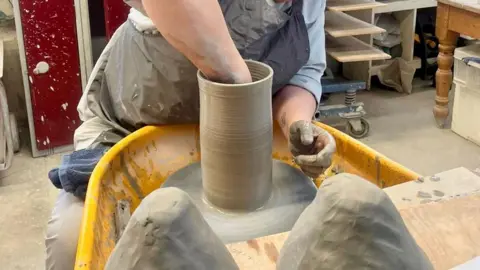
Challenges facing the pottery and ceramics sector extend beyond individual companies to encompass systemic issues within the industry. Raw material costs have increased significantly, energy expenses have risen sharply, and competition from overseas manufacturers producing at lower costs continues to intensify. These pressures have forced many traditional ceramics producers to make difficult decisions about production capacity and workforce levels.
The community response to Denby Pottery's difficulties demonstrates the emotional and cultural investment that customers have in the brand. Collectors appreciate the quality and design aesthetics that have made Denby Pottery distinctive across different eras. The company's products have become family heirlooms for many households, adding sentimental value beyond their functional purpose as dinnerware and decorative items.
Financial advisors and business analysts have examined the firm's situation and generally agreed that with appropriate support and strategic restructuring, the business could return to sustainable operations. The underlying market for quality British ceramics remains robust, particularly among consumers who prioritize sustainability and domestic production. Experts suggest that securing government backing could provide the breathing room necessary for management to implement longer-term strategic improvements.
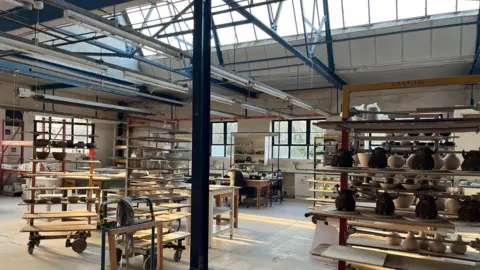
The campaign for Denby Pottery support has garnered attention from heritage preservation organizations, craft associations, and cultural institutions that recognize the value of maintaining traditional manufacturing capabilities. Tourism authorities have also noted the importance of such enterprises to heritage tourism and regional economic vitality. The pottery works itself serves as a heritage attraction, drawing visitors interested in observing traditional manufacturing processes and purchasing authentic British-made ceramics.
Government decision-makers are being asked to recognize that some industries and companies warrant special consideration due to their cultural significance and irreplaceable role in the national heritage. The petition advocates argue that allowing Denby Pottery to fail would represent an unnecessary loss of manufacturing expertise and historical continuity. This perspective aligns with growing recognition of the need to balance purely economic considerations with cultural and heritage preservation objectives.
As the petition continues to gain support, stakeholders remain hopeful that policymakers will take action to include Denby Pottery in appropriate business assistance programs. The outcome of this campaign could set important precedents for how government supports cultural enterprises and traditional industries facing market pressures. Whether through direct financial assistance, favorable loan terms, or other targeted interventions, supporters believe meaningful support could prove transformative for the struggling firm's prospects.

The broader implications of this situation extend beyond a single company to questions about how nations preserve manufacturing capacity, maintain craft traditions, and support heritage industries during challenging economic periods. As consumer preferences increasingly favor authentic, locally-produced goods with transparent supply chains, companies like Denby Pottery possess valuable assets and market positioning. The petition campaign serves as a reminder that economic value calculations should sometimes account for cultural, heritage, and social contributions that transcend simple financial metrics.
Source: BBC News


