
Devastating Fire Destroys 1,000 Homes in Malaysia's Sabah Region

A massive blaze destroys a 'water village' home to some of Malaysia's poorest residents, forcing thousands to evacuate from the coastal Sandakan district.
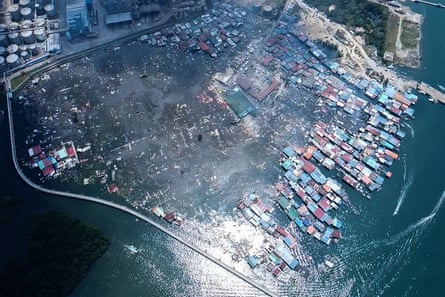
A devastating fire has ravaged a coastal village in Malaysia's Sabah state, destroying approximately 1,000 makeshift homes and displacing thousands of people, authorities reported on Sunday. The blaze broke out early in the morning in a 'water village' in the Sandakan district, where some of Malaysia's most marginalized communities, including indigenous and stateless populations, reside in closely packed, wooden stilt houses.
The affected area, known as a 'water village,' is home to some of the country's poorest residents, who rely on fishing and other water-based livelihoods to sustain themselves. The destruction of their homes has left these vulnerable communities in a dire situation, with local authorities scrambling to provide emergency shelter and aid.
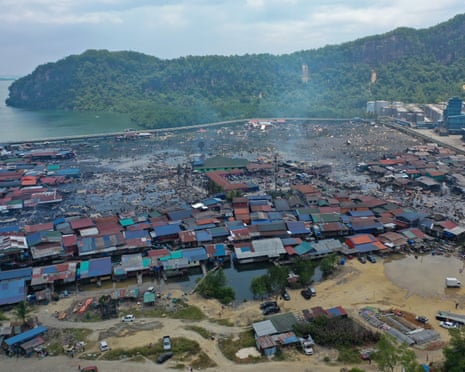
According to eyewitnesses, the fire spread rapidly through the densely packed structures, fueled by the strong winds and the flammable materials used in the construction of these makeshift dwellings. Firefighters battled for hours to bring the blaze under control, but the damage was already extensive by the time they arrived on the scene.
The cause of the fire is still under investigation, but authorities suspect it may have been ignited by a electrical or cooking mishap within one of the homes. The sheer scale of the destruction has overwhelmed local resources, with thousands of displaced residents in urgent need of temporary housing, food, and other essential supplies.
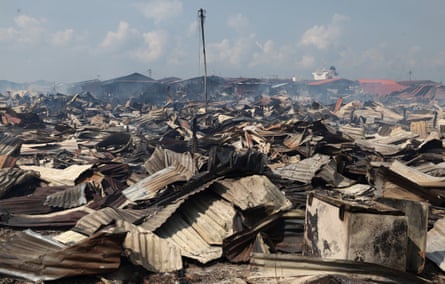
This tragic incident has shed light on the precarious living conditions and vulnerabilities faced by some of Malaysia's most marginalized communities. The 'water village' in Sabah, where these makeshift homes were located, is a testament to the stark income disparities and lack of affordable housing options that persist in the country.
As the authorities work to provide relief and support to the affected families, this disaster has also raised questions about the need for improved infrastructure, fire safety measures, and disaster preparedness in these vulnerable communities. The rebuilding process will be a long and arduous one, but it presents an opportunity to address the underlying issues and improve the living conditions of these resilient, yet disadvantaged, populations.
Source: The Guardian


