
Devil Wears Prada 2: Fashion's Power Shift

New film sequel reveals how luxury brands have dismantled the gatekeeping power of magazine editors in the fashion industry.
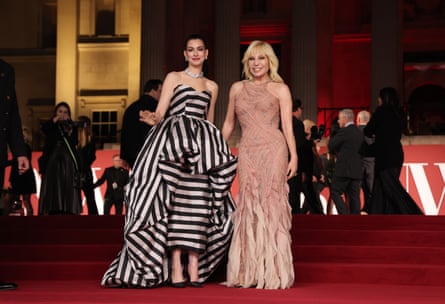
The premiere of The Devil Wears Prada 2 at London's prestigious National Gallery this week served as more than just a celebration of cinema—it was a symbolic gathering that reflected the seismic shifts happening within the fashion industry itself. Beneath the soaring ceilings and classical artwork of one of Britain's most revered cultural institutions, the film's narrative about changing power dynamics in fashion came to life in real time, as industry titans and magazine editors mingled at an exclusive after-party that epitomized both tradition and transformation.
Donatella Versace, the creative director of the iconic Italian luxury house, commanded attention in a specially cordoned-off VIP section positioned directly beneath Paul Delaroche's haunting masterpiece, The Execution of Lady Jane Grey. The symbolic placement was hardly accidental—just as the historical painting depicts a shift in power and consequence, the contemporary fashion world is experiencing its own dramatic realignment. The elaborate staging of the premiere party, with its blend of high art and high fashion, underscored the film's central thesis: that the traditional hierarchies governing the fashion industry are undergoing fundamental transformation.
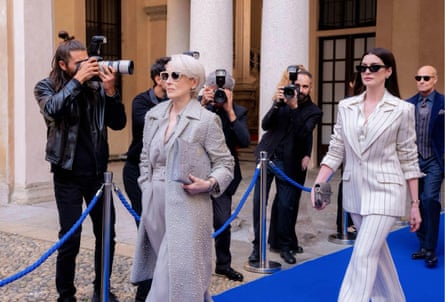
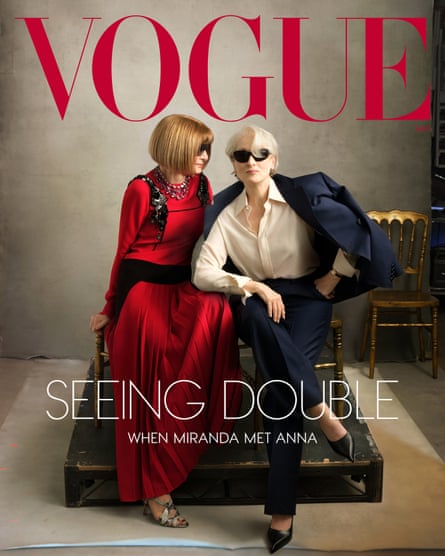
Meryl Streep, returning to her iconic role as Miranda Priestly—the character widely understood to be based on real-life Vogue editor-in-chief Anna Wintour—made a carefully considered sartorial statement at the event. Her choice of a striking red satin Prada coat served as an intentional nod to the film's provocative title and its thematic preoccupations. The accompanying black sunglasses functioned as a knowing wink to Wintour herself, maintaining the playful tension between fiction and reality that has always surrounded the character. This deliberate wardrobe selection demonstrated how even at the premiere itself, fashion remained a language of communication and subtle messaging.

The guest list reflected the film's international scope and thematic concerns. Magazine editors from Spain, Germany, and the Netherlands had been flown in specifically for the evening, representing the glossy publications that once held near-absolute power over fashion trends and brand visibility. These editors, who in previous decades could make or break a designer with a single editorial placement, now found themselves guests at an event celebrating how fundamentally their influence has waned. The symbolic inversion was palpable—they were observers rather than arbiters, attendees rather than gatekeepers.
The culinary offerings presented throughout the evening perfectly encapsulated the film's commentary on luxury brand evolution and market democratization. Guests were served fried chicken topped with caviar, a deliberately paradoxical combination that married street-level accessibility with luxury ingredient prestige. Alongside this provocative dish, generous servings of macaroni and cheese were presented with theatrical flair beneath gleaming silver cloches, transforming comfort food into an elevated dining experience. These menu choices were far from random—they represented the new fashion industry paradigm where exclusivity and accessibility coexist, where luxury has learned to speak the language of the masses without losing its prestige.
The sequel's narrative centers on a revolution in fashion that has genuinely unfolded over the past two decades. When the original Devil Wears Prada premiered in 2006, the traditional magazine editorial system still held considerable sway over which designers achieved prominence and which faded into obscurity. Magazine editors functioned as true gatekeepers—their selections determined what consumers would see, desire, and ultimately purchase. Fashion houses spent enormous resources courting these editors, pitching stories, providing exclusive access, and essentially competing for limited editorial real estate in increasingly precious print pages.
However, the landscape has transformed dramatically. Digital media, social platforms, and direct-to-consumer strategies have fundamentally altered how luxury brands communicate with audiences. Designers now bypass traditional magazine gatekeepers entirely, using Instagram, TikTok, and their own digital channels to speak directly to consumers. Influencers have gained the editorial authority that magazine editors once monopolized. Fashion shows stream live online, making them accessible to millions rather than confined to the elite few who received invitations to physical events. The power structure that Miranda Priestly represented—where a nod of approval from a magazine editor could alter a designer's fortunes—no longer exists in the same form.
This shift has profound implications for how fashion industry players navigate the contemporary landscape. Luxury houses now invest heavily in digital marketing, influencer partnerships, and direct consumer engagement rather than courting magazine editors as their primary channel. Traditional fashion publications have had to completely reimagine their value proposition, transitioning from gatekeepers to curators, from arbiters to participants in a far more democratized conversation about style and design. Some magazines have thrived by embracing digital transformation and building engaged online communities, while others have struggled to justify their existence in an age of infinite digital content.
The Devil Wears Prada 2's timing is particularly astute in capturing this industry moment. The film arrives at a juncture where the old power structures have definitively crumbled while new hierarchies are still solidifying. Luxury brands have seized control of their own narratives in ways that would have been impossible in 2006. They commission their own photographers, create compelling video content, and cultivate relationships with digital creators who command more attention than traditional print editors. The democratization of fashion information and the direct access consumers now have to designer inspiration have fundamentally rewritten the rules of influence and authority in the industry.
Yet the film's exploration of these themes goes beyond simple celebration of disruption. There remains something valuable in the curatorial eye of experienced fashion editors who have spent decades understanding aesthetics, brand identity, and cultural relevance. The contemporary fashion world increasingly recognizes that successful brands need both direct consumer connection and credible editorial validation. The relationship has become more balanced and collaborative rather than hierarchical and controlling. Magazines now partner with brands on sponsored content while maintaining editorial independence; editors have become influencers themselves while brands have adopted editorial sensibilities in their marketing.
The premiere event itself embodied these contradictions. Glossy magazine editors were honored guests, suggesting their continued cultural relevance, yet they gathered beneath art that symbolized displaced power, in a setting celebrating a film about their own diminished gatekeeping authority. This paradox reflects the actual reality facing the fashion media industry—they remain culturally significant and valued as curators and taste-makers, but they no longer hold the monopolistic power they once did. They must now compete for influence rather than assume it as their birthright.
As The Devil Wears Prada 2 makes its theatrical run and inevitably generates discussion about fashion industry power dynamics, it raises important questions about what has been gained and lost in this transformation. Consumers certainly benefit from more access, more choice, and more direct communication with brands they admire. The barrier to entry for emerging designers has lowered, allowing talented creatives to bypass the traditional gatekeeping structures and build audiences directly. Yet critics wonder whether something valuable has been lost—the kind of curatorial vision and long-term relationship building that prestigious fashion magazines once provided.
The film's exploration of this revolution serves as both mirror and commentary on an industry in profound flux. Miranda Priestly's character—that iconic symbol of editorial authority and gatekeeping power—now finds herself in a world where her traditional forms of control have become obsolete. Luxury brands have learned to tell their own stories, to build their own communities, and to exercise their own authority in ways that circumvent magazine editors entirely. The death of the gatekeeper is not merely a narrative device in The Devil Wears Prada 2; it is a reflection of genuine industry transformation that continues to reshape how fashion is created, promoted, and consumed in the twenty-first century.
Source: The Guardian


