
DHS Suspends TSA PreCheck & Global Entry Programs

Homeland Security halts expedited airport security programs amid government shutdown, potentially causing major travel delays for millions of registered passengers.
The Department of Homeland Security has made the unprecedented decision to suspend both TSA PreCheck and Global Entry programs as the partial government shutdown enters its critical phase. This dramatic move affects millions of registered travelers who rely on these expedited security programs to navigate airports efficiently across the United States.
The suspension of these vital airport security programs comes as federal agencies struggle to maintain essential services during the ongoing budgetary impasse. TSA PreCheck, which serves over 10 million enrolled members, and Global Entry, utilized by more than 6 million travelers, represent cornerstone initiatives in modern aviation security infrastructure.
Democratic lawmakers have launched fierce criticism against DHS leadership, characterizing the agency's decision as deliberately sabotaging programs that facilitate smoother travel experiences for pre-screened passengers. The accusation of kneecapping security programs reflects growing partisan tensions surrounding the shutdown's impact on federal operations.
Industry experts predict that the suspension will create cascading effects throughout the nation's busiest airports, potentially doubling wait times during peak travel periods. The timing proves particularly problematic as the travel industry prepares for upcoming seasonal demand fluctuations.
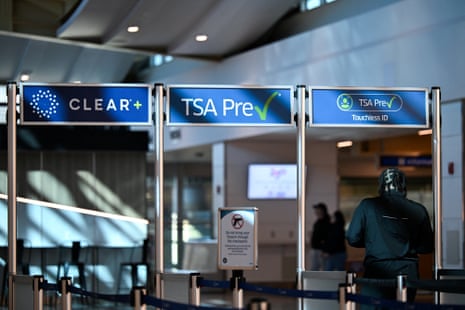
TSA PreCheck, launched in 2013, revolutionized airport security by allowing pre-approved travelers to retain shoes, belts, and light jackets while passing through dedicated screening lanes. The program's efficiency metrics show average wait times of less than 5 minutes compared to standard security processing times that can exceed 30 minutes during busy periods.
Global Entry, administered jointly by Customs and Border Protection and TSA, extends beyond domestic travel to expedite international arrivals. Program participants utilize automated kiosks to complete customs declarations, significantly reducing processing times at major international gateways including JFK, LAX, and Miami International Airport.
The financial implications of this suspension extend far beyond government operations. Airlines, which have invested heavily in infrastructure supporting these programs, face potential revenue losses as frustrated travelers may postpone or cancel discretionary trips. Business travelers, who comprise a significant portion of program enrollees, represent particularly high-value customers for carriers.
Airport authorities across major hubs have begun implementing contingency measures to manage anticipated crowd surges. Additional staffing for standard security lanes, enhanced crowd control barriers, and extended terminal hours represent immediate adaptations to accommodate displaced PreCheck and Global Entry users.
The government shutdown impact on transportation security extends beyond these high-profile programs. TSA employees, classified as essential personnel, continue working without pay, raising concerns about workforce morale and potential operational disruptions. Agency officials report increasing callout rates among screening personnel, further exacerbating capacity constraints.
Travel industry associations have mobilized lobbying efforts to restore program operations, emphasizing the economic consequences of prolonged suspensions. The U.S. Travel Association estimates that extended delays could reduce business travel demand by up to 15% during the affected period, translating to billions in lost economic activity.
Congressional Democrats have scheduled emergency hearings to examine DHS's decision-making process regarding program suspensions. Committee leaders question whether the agency explored alternative cost-saving measures before implementing such disruptive changes to traveler services.
The suspension also raises questions about the future of trusted traveler programs and their funding mechanisms. Both TSA PreCheck and Global Entry operate primarily through user fees, with minimal direct appropriations from Congress, making their shutdown particularly controversial among affected stakeholders.
International implications emerge as Global Entry reciprocity agreements with allied nations face potential disruption. Countries including Canada, Mexico, and several European Union members maintain bilateral arrangements that could require renegotiation following extended program suspensions.
Technology vendors supporting program infrastructure face immediate revenue impacts as system maintenance contracts and upgrade projects face indefinite delays. The specialized biometric and background screening systems require continuous technical support to maintain security standards and operational efficiency.
Consumer advocacy groups have initiated legal challenges questioning the authority of DHS to suspend fee-funded programs during appropriations lapses. These organizations argue that user-funded services should continue operating independently of broader budget disputes affecting general appropriations.
The broader implications for aviation security policy remain unclear as stakeholders assess long-term consequences of politicizing passenger facilitation programs. Security experts warn that frequent disruptions to trusted traveler initiatives could undermine public confidence in government-administered screening enhancements.
As the standoff continues, travelers are advised to arrive at airports significantly earlier than normal and prepare for standard security screening procedures. The suspension serves as a stark reminder of how political disagreements in Washington can directly impact millions of Americans' daily lives and travel plans.
Source: The Guardian


