
Digg Returns with AI News Aggregation Focus

Digg makes a comeback to aggregate artificial intelligence news. Kevin Rose reveals plans for new topic categories and expanded coverage.
Digg, the legendary news aggregation platform, is making a significant comeback with a fresh focus on artificial intelligence content. The iconic service that once dominated the social news landscape is repositioning itself as a dedicated hub for AI news aggregation, capitalizing on the explosive growth and widespread interest in artificial intelligence technologies across industries and consumer markets.
Kevin Rose, the founder of Digg, has announced that the platform will expand its coverage beyond artificial intelligence to include additional topic categories in the coming months. This strategic expansion represents a deliberate effort to rebuild the brand's relevance in an increasingly fragmented digital media ecosystem where specialized news aggregators are gaining significant traction among readers seeking curated, high-quality content.
The decision to prioritize AI news coverage reflects the current market dynamics and consumer demand for reliable information about the rapidly evolving artificial intelligence sector. As organizations worldwide race to implement machine learning solutions and explore generative AI applications, the need for accessible, well-curated AI content has become more critical than ever. Digg's return with this focused approach signals confidence in the aggregation model's viability when applied to niche, high-interest topics.
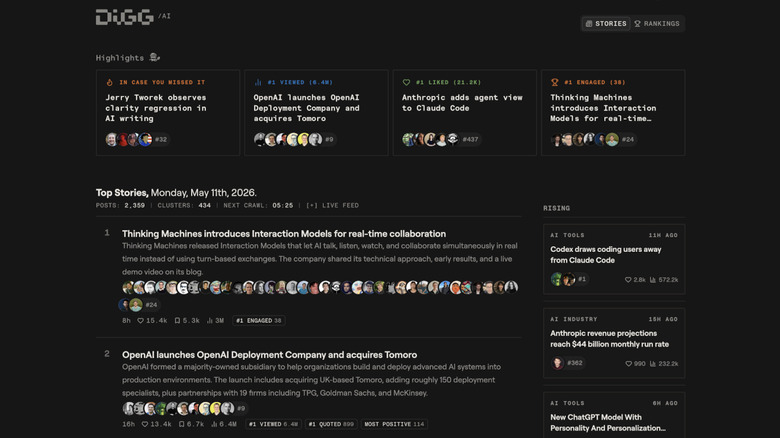
The platform's original success stemmed from its community-driven approach to content discovery, where users could vote on stories, creating a democratic system that surfaced quality journalism and breaking news. This core mechanism made Digg indispensable for tech-savvy users during the mid-to-late 2000s. Now, the revived platform aims to recapture that spirit while applying it to artificial intelligence news, a sector that generates hundreds of significant stories daily across specialized tech publications, mainstream media outlets, and industry-specific platforms.
The AI aggregation strategy positions Digg to serve multiple audiences simultaneously—from AI researchers and developers seeking technical news updates to business leaders monitoring competitive developments and policy implications of emerging AI technologies. This broader appeal compared to purely technical publications could provide Digg with the scale necessary to rebuild its user base and establish meaningful engagement metrics in an attention economy dominated by social media platforms.
Rose's announcement regarding future topic categories suggests that the company envisions a portfolio approach to news aggregation platforms, potentially expanding into other high-growth sectors or specialized interest areas beyond artificial intelligence. This modular expansion strategy allows the company to test different topic verticals, measure user engagement and retention, and refine its aggregation algorithms based on real-world performance data before committing substantial resources to additional categories.
The timing of Digg's AI-focused comeback coincides with unprecedented mainstream attention to artificial intelligence technologies, driven by the viral success of ChatGPT, ongoing developments in multimodal AI systems, and widespread corporate adoption of machine learning tools. Media outlets, newsletters, and specialized publications are experiencing surging traffic around AI-related content, creating a substantial addressable market for a curated, intelligently filtered aggregation service that can surface the most relevant stories from thousands of daily publications.
From a technical standpoint, effective AI news aggregation requires sophisticated content classification algorithms that can distinguish genuine artificial intelligence developments from tangentially related stories involving automation or algorithms. Digg's engineering team will need to implement natural language processing systems capable of understanding context, identifying industry significance, and filtering out clickbait or misleading coverage. This technical complexity represents a significant barrier to entry for competitors, potentially giving Digg an advantage if it executes well.
The competitive landscape for AI news aggregation is fragmented, with various newsletters, subreddits, and specialized publications offering curated coverage. However, no single platform has yet achieved dominant market position in this space, suggesting substantial opportunity for a well-executed aggregation service. Digg's brand recognition among technology professionals and early adopters could provide meaningful advantages in user acquisition compared to newer, lesser-known competitors.
User experience represents another critical success factor for Digg's revival. The platform will need to design intuitive interfaces that allow readers to discover trending AI stories while also providing filtering and customization options for users with specific technical interests. Balancing broad appeal with specialized functionality presents ongoing challenges for any aggregation platform attempting to serve audiences with varying levels of technical expertise.
The return of Digg also raises interesting questions about the broader sustainability of news aggregation as a business model. The original Digg struggled against competitive pressures from Reddit, Twitter, and later, algorithmic news feeds offered by major technology platforms. Digg's success this time may depend significantly on whether the company can establish differentiated value propositions that justify user loyalty and engagement compared to free alternatives offered by larger technology companies.
Kevin Rose's broader vision, hinted at through his plans for future topic categories, suggests that Digg may be testing a platform for vertical-specific news aggregation. Rather than competing broadly against generalist aggregators like Reddit, this approach focuses on becoming the definitive aggregation authority within specific high-interest sectors. If successful with AI news content, the company could potentially expand this model to other industries including climate technology, biotech, fintech, or cybersecurity.
The monetization strategy for Digg's revival remains an important consideration for long-term sustainability. The platform could potentially generate revenue through various mechanisms including sponsored content, premium subscription tiers offering advanced filtering and customization features, or partnerships with media companies seeking distribution channels for their AI coverage. Advertising remains another potential revenue source, though balancing commercial interests with editorial integrity will be crucial for maintaining user trust.
Looking ahead, Digg's success as an AI news aggregator will serve as a case study in whether specialized aggregation platforms can thrive in an era dominated by algorithmic feeds and social platforms. The company's strategic focus on artificial intelligence—currently the most culturally significant and economically important technology sector—suggests thoughtful positioning that acknowledges both market realities and audience interests in discovering quality information efficiently.
Source: Engadget


