
DirecTV's $58K Lawsuit Against O.J. Simpson

How DirecTV pursued a high-profile satellite TV piracy case against O.J. Simpson in 2005, highlighting the intersection of celebrity and intellectual property law.
The year was 2005, and federal judges in the Southern District of Florida were accustomed to handling a diverse array of cases that tested their legal expertise and patience. One particular judge faced an interesting contrast in their weekly docket: Monday brought hearings on contested legislation requiring careful constitutional analysis, Tuesday involved ruling on high-stakes national security cases that could impact the nation's safety, and Wednesday—well, Wednesday presented an entirely different kind of challenge that would capture public attention in unexpected ways.
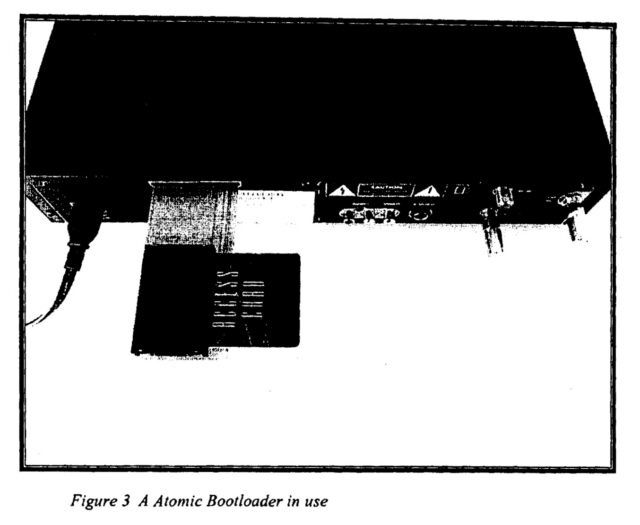
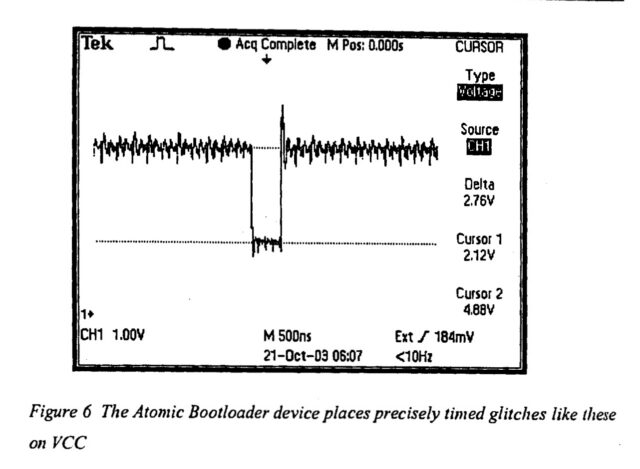
On that particular Wednesday, the judge found themselves reviewing technical documentation that would have seemed more at home in an engineering textbook than a courtroom. The case file contained dense affidavits discussing satellite TV bootloaders, intricate electronic countermeasures designed to prevent unauthorized access, and minute technical details about smartcard voltage fluctuations occurring precisely 522 clock ticks after system startup. These were the unglamorous details of modern digital piracy litigation, the kind of technical minutiae that could make even the most dedicated jurist's eyes glaze over.
At first glance, this appeared to be yet another routine TV piracy case involving an anonymous individual living in Miami. The defendant's identity seemed irrelevant—just another person accused of illegally accessing satellite television services they hadn't paid for. The technical complexity of the case was notable, but hardly extraordinary in an era when digital content protection was becoming increasingly sophisticated.
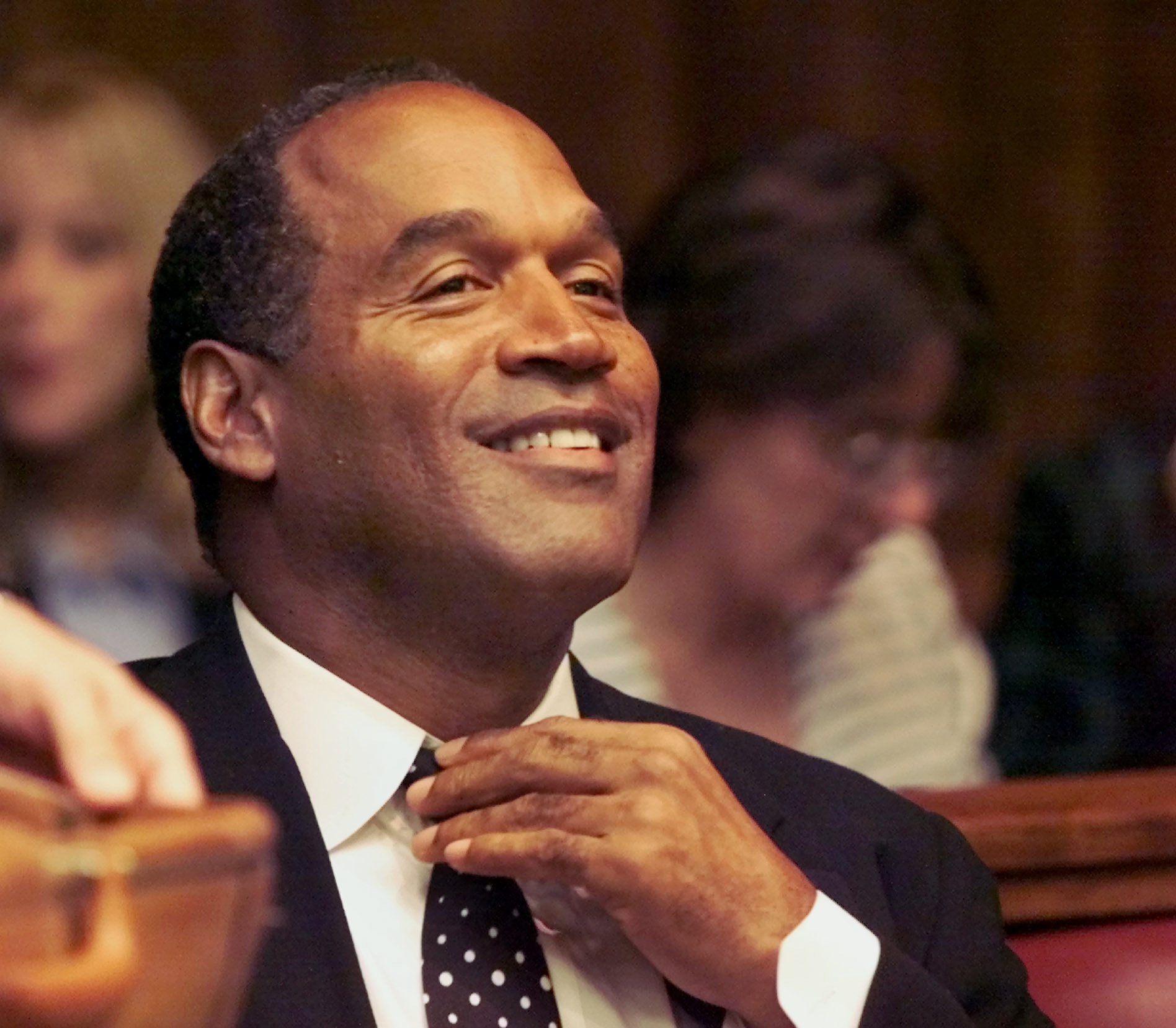
Then the judge noticed something that made them pause. The case caption revealed that DirecTV wasn't suing some anonymous Miami resident. Instead, the company had targeted one of the most recognizable figures in American popular culture—someone whose name had dominated headlines for reasons both athletic and criminal. O.J. Simpson, the former NFL running back whose life had been irrevocably transformed by the sensational 1995 murder trial, was being sued by DirecTV for satellite piracy.
The incongruity was striking. Here was a man of considerable celebrity status and presumed financial resources, someone who had once been worth millions and maintained a public presence despite the controversies surrounding his past. Why would such a figure resort to illegally hacking satellite television services? Surely someone of Simpson's stature and means could simply pay the monthly subscription fee for DirecTV service like millions of other Americans? The question hung in the air like an unanswered puzzle.
Simpson's notoriety had only intensified over the years since his acquittal. The 1995 murder trial had been a cultural phenomenon, watched by millions of Americans who remained deeply divided over the verdict. Some viewed Simpson as a victim of a flawed judicial process, while others saw him as someone who had escaped justice. Regardless of one's perspective on the trial itself, Simpson had become a figure of intense public fascination—the kind of celebrity whose every action drew media scrutiny and public interest.
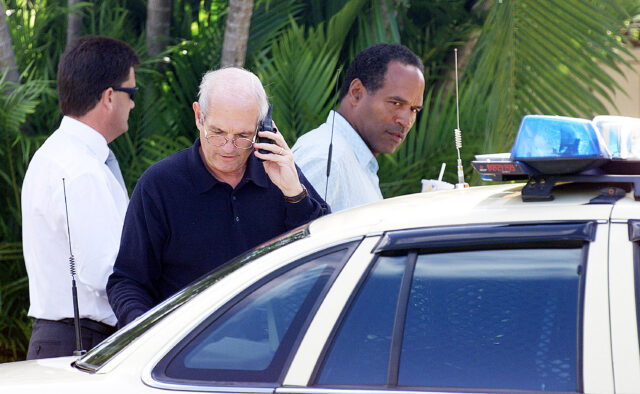
The decision by DirecTV to pursue aggressive legal action against Simpson, culminating in a lawsuit seeking $58,000 in damages, suggested that the company viewed this as more than just another piracy case. Whether the motivation was entirely commercial or partly driven by the publicity value of suing someone as famous as Simpson remained unclear. However, the company's legal team had clearly invested significant resources in building a case against him, gathering technical evidence and documentation to support their allegations of unauthorized access to satellite television services.
The technical aspects of the case revealed the sophisticated methods that individuals were using to circumvent DirecTV's security measures. The reference to bootloaders and smartcard voltage analysis indicated that someone had engaged in detailed reverse engineering of the satellite receiver equipment. These weren't simple password-sharing schemes or the kind of basic piracy that casual users might attempt. Instead, this appeared to involve a deliberate attempt to modify the hardware itself to bypass the digital rights management and access control systems that DirecTV had implemented.
For DirecTV, pursuing this case against a high-profile defendant like Simpson served multiple purposes. Beyond the specific damages being sought, the lawsuit sent a message to other would-be pirates that the company would pursue even celebrity defendants through the courts. The visibility of the case—the fact that it involved O.J. Simpson—meant that media coverage would amplify DirecTV's anti-piracy message far more effectively than dozens of suits against anonymous individuals ever could.
The case also reflected broader industry trends in 2005. As satellite television services had grown into a multi-billion dollar business, protecting intellectual property and digital content had become increasingly important. Companies like DirecTV invested heavily in encryption, security systems, and legal enforcement mechanisms. When these technical defenses were circumvented, they responded with litigation—sometimes targeting high-profile defendants as a way to generate publicity and deter others from attempting similar schemes.
From Simpson's perspective, the lawsuit represented yet another legal entanglement in a life that had been marked by controversy. Whether he had actually engaged in the piracy alleged by DirecTV or whether this was a case of mistaken identity or circumstantial evidence remained to be determined. What was certain was that he faced substantial financial liability if the court ruled against him, with DirecTV seeking nearly $60,000 in damages.
The case ultimately illustrated how the intersection of technology, celebrity, and law created unusual and memorable legal situations. A federal judge in South Florida would spend their Wednesday afternoon not just ruling on routine matters of law, but engaging with the technical specifics of satellite TV security systems in a case that involved one of America's most famous—or infamous—figures. The mundane reality of digital piracy enforcement had collided with the extraordinary circumstances of celebrity, creating a case that would be remembered not for any groundbreaking legal precedent, but for the sheer improbability of its central characters.
The $58,000 bill that DirecTV sought from Simpson served as a reminder that in the modern era, no one—regardless of wealth or fame—was exempt from liability for intellectual property violations. Whether the outcome vindicated DirecTV's aggressive pursuit or raised questions about the appropriateness of such high-profile enforcement actions, the case would remain a curious footnote in both the history of digital piracy litigation and in the sprawling legal saga that had come to define much of O.J. Simpson's post-football life.
Source: Ars Technica


