
Disney Hit with Class Action Suit Over Facial Recognition

Disney faces major legal challenge over facial recognition technology use in parks. Lawsuit claims insufficient notice to visitors about biometric scanning.
The Walt Disney Company is confronting significant legal scrutiny following the filing of a class action lawsuit that challenges its use of facial recognition technology throughout its theme parks. The complaint, which has gained considerable attention from privacy advocates and legal experts alike, centers on allegations that Disney has failed to provide park visitors with adequate notice about the deployment of facial recognition systems. This legal action represents a growing wave of privacy concerns surrounding the use of biometric data collection in commercial settings.
According to the lawsuit documentation, Disney's implementation of facial recognition scanning at its parks raises serious questions about visitor consent and transparency. The complaint argues that park guests do not receive sufficient warning before their faces are captured and processed by the surveillance technology. This lack of clear disclosure stands in stark contrast to the increasing public awareness about how companies collect and utilize biometric information. The legal team representing the plaintiffs contends that Disney's practices may violate consumer protection laws and privacy regulations designed to safeguard personal data.
The timing of this lawsuit is particularly significant given the broader national conversation about privacy rights and data protection in the digital age. As more organizations adopt biometric surveillance technology, questions about informed consent and proper notification have moved to the forefront of consumer advocacy efforts. The case against Disney could establish important legal precedents regarding how companies must inform the public about facial recognition systems in public spaces. Legal experts suggest that the outcome may influence how other entertainment venues and commercial establishments approach similar technologies.
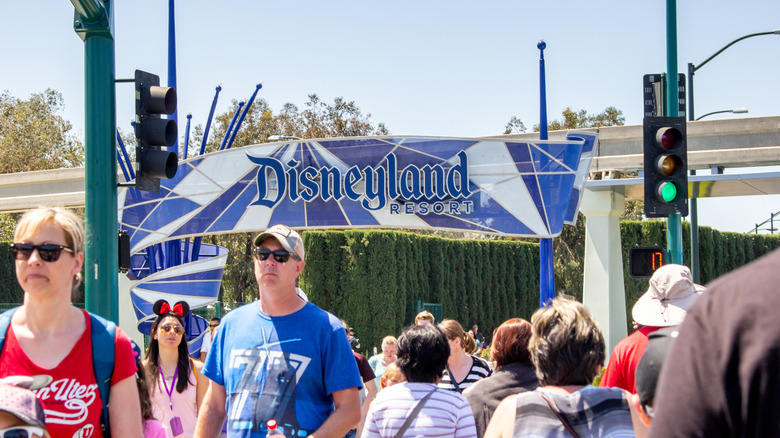
Disney has traditionally positioned itself as a family-friendly company deeply committed to guest experiences and safety measures. However, the deployment of facial recognition technology without explicit, clear notice to visitors appears to contradict this brand image in the eyes of privacy advocates and class action attorneys. The parks, which attract millions of visitors annually from around the world, represent an enormous repository of facial data that could be collected and stored without proper visitor knowledge. This scenario has raised alarm bells among consumer protection organizations and privacy rights groups that monitor corporate data practices.
The technical capabilities of modern facial recognition systems are remarkably sophisticated, capable of identifying individuals with high accuracy across various lighting conditions and distances. Disney's parks, with their sophisticated security infrastructure and technological investments, would be well-positioned to implement such systems effectively. The lawsuit questions whether Disney is utilizing this technology for stated security purposes, guest convenience features, or broader data collection and analysis objectives. The exact scope and application of the facial recognition systems at Disney properties remain subjects of intense scrutiny and debate.
Privacy legislation in various states has begun addressing the issue of biometric data collection more directly. California's Consumer Privacy Act and similar regulations in other jurisdictions have established baseline requirements for companies handling sensitive personal information. However, gaps remain in how these laws specifically govern facial recognition technology deployment in commercial public spaces. The Disney lawsuit may highlight these regulatory gaps and prompt lawmakers to consider more comprehensive privacy protections for biometric data.
The class action framework employed in this lawsuit is particularly important because it allows individual park visitors to join in collective legal action without pursuing separate claims. This approach amplifies the legal and financial pressure on Disney while making it economically feasible for affected consumers to seek remedies. Given the enormous number of visitors to Disney parks globally, a successful class action could result in substantial liability and damages. The framework also sends a powerful message about the importance of privacy notice requirements in the era of advanced surveillance technology.
Disney's response to these allegations will likely influence how other major corporations approach facial recognition implementation going forward. The company faces pressure not only from legal liability but also from potential reputational damage among consumers increasingly concerned about privacy matters. Disney's massive customer base values the company's family-oriented brand image, and reports of non-transparent surveillance technology could damage that carefully cultivated reputation. The entertainment giant's legal strategy in defending against these claims will be closely watched by industry observers.
Beyond Disney, this lawsuit contributes to a broader national conversation about the appropriate use of surveillance technology in public and semi-public spaces. Technology companies continue developing increasingly sophisticated biometric systems, yet legal frameworks and consumer expectations about transparency have not kept pace with these technological advances. The tension between security interests, operational efficiency, and privacy rights remains unresolved in many contexts. The Disney case will likely become a flashpoint in these ongoing debates about how to balance legitimate business interests with fundamental privacy protections.
Consumer advocates argue that informed consent and proper notice are non-negotiable principles when companies collect biometric information. They contend that visitors cannot meaningfully consent to surveillance if they are unaware it is occurring. The lawsuit essentially challenges Disney's legal and ethical obligations to be transparent about its data collection practices. These arguments resonate strongly with privacy-conscious consumers and civil liberties organizations that have made facial recognition transparency a priority issue.
The potential outcomes of this class action case could extend well beyond Disney itself. If courts determine that the company's disclosure practices were inadequate, it could establish important legal standards for how other entertainment venues, retailers, and public spaces must handle facial recognition technology. Companies might be required to implement more prominent signage, obtain explicit consent, or limit the scope of their surveillance technology deployment. These changes could fundamentally reshape how biometric systems are used throughout the commercial landscape.
As this legal battle unfolds, stakeholders including Disney, consumer advocates, technology companies, and policymakers will be closely monitoring the proceedings. The case represents a critical moment in the ongoing struggle to define privacy rights in an increasingly surveilled society. Whether Disney ultimately prevails or faces significant liability may depend on the specific evidence regarding what notices were provided to park visitors and how the facial recognition systems were actually deployed and used. The intersection of corporate interests, consumer privacy, and technological capability will remain at the heart of this important litigation.
Looking forward, this lawsuit may accelerate regulatory action at both state and federal levels to establish clearer standards for biometric data collection. Legislators may draw inspiration from this case to craft more explicit privacy protections that clearly define when and how companies can deploy facial recognition technology. The Disney case could serve as a catalyst for meaningful privacy legislation that protects consumers while allowing legitimate business uses of biometric systems. The balance between innovation and privacy protection will likely define how this case ultimately influences the regulatory landscape.
Source: Engadget


