
Divine App Launches Vine Revival, Bans AI-Generated Content

Divine, a new short-form video platform inspired by Vine, officially launches with strict policies against AI-generated content and artificial slop.
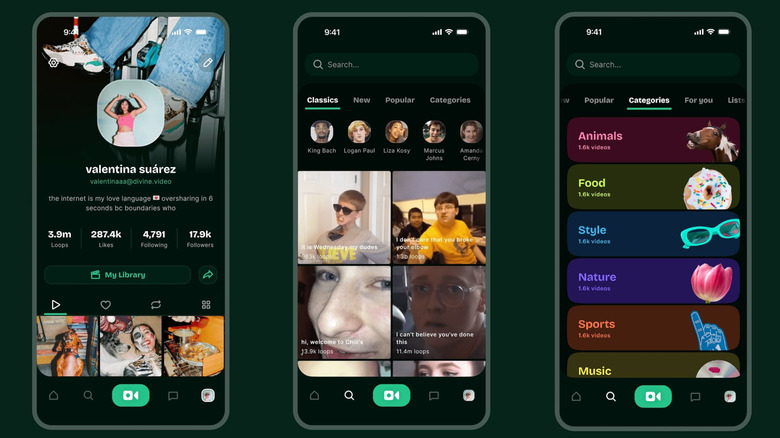
The short-form video landscape is about to experience a significant shake-up as Divine, a highly anticipated Vine reboot, officially arrives with a bold mission: to recapture the magic of the original six-second video phenomenon while maintaining strict quality standards. The new platform distinguishes itself by implementing comprehensive policies designed to prevent the flooding of AI-generated content that has plagued many social media platforms in recent years, signaling a clear commitment to authentic, human-created entertainment.
The creators behind Divine have positioned their platform as a nostalgic return to the golden age of Vine, the beloved video-sharing app that was shut down by Twitter in 2017. For nearly a decade, fans of the platform have longed for a successor that could replicate the creative energy and community spirit that made Vine such a cultural phenomenon. Divine aims to fill that void by providing creators with a dedicated space to showcase their comedic talents, artistic vision, and innovative storytelling within a compact video format that demands wit, timing, and originality.
One of the most distinctive features of Divine's launch is its anti-AI content policy, which represents a proactive stance against the rising tide of artificial intelligence-generated material flooding social platforms. This decision reflects a growing awareness among digital communities that authentic human creativity is increasingly at risk of being overshadowed by algorithmically-generated content designed primarily to maximize engagement rather than entertain or inform. By explicitly banning what industry observers call "AI slop," Divine is betting that users crave genuine human expression and originality over machine-generated mimicry.
The timing of Divine's launch is particularly significant given the current state of social media discourse. Platform after platform has struggled with the integration of artificial intelligence, leading to concerns about content quality, algorithmic manipulation, and the erosion of authentic community spaces. TikTok faces regulatory pressures, Instagram and Facebook continue to evolve their content moderation approaches, and YouTube grapples with questions about AI-generated videos and their proper disclosure. Into this complicated landscape comes Divine, armed with a clear philosophy that authentic creator content should be prioritized above all else.
The platform's approach to content moderation extends beyond simply blocking AI-generated videos. Divine's team has developed sophisticated detection systems and community guidelines that encourage human creativity while establishing clear boundaries around automated content generation. This multifaceted strategy suggests that the platform's developers have carefully studied the pitfalls of other social networks and are determined to learn from their mistakes. By establishing these standards at launch rather than attempting to implement them reactively, Divine sets a different tone for what users can expect from their experience.
Divine's commitment to quality extends to how the platform intends to handle the algorithm that determines which videos gain visibility. Rather than optimizing purely for watch time and engagement metrics, the platform reportedly considers factors such as originality, creativity, and community feedback in its ranking systems. This represents a conscious departure from the engagement-obsessed models that have dominated social media for the past decade, suggesting that Divine's creators believe users are ready for a platform that rewards substance over mere viral appeal.
The resurgence of interest in short-form video content has been undeniable, with platforms like TikTok achieving unprecedented growth and creating a new generation of viral creators. However, many former Vine enthusiasts have expressed frustration with the way that TikTok and other platforms have evolved, citing concerns about algorithmic favoritism, corporate influence, and the homogenization of content. Divine's entrance into this space offers an alternative vision—one that harks back to Vine's early days while applying lessons learned from the past six years of platform evolution. The Vine revival represented by Divine suggests that there remains a significant appetite for platforms built on different principles than those dominating the current social media landscape.
For content creators, Divine presents both opportunity and a return to first principles. The platform's ban on AI-generated content means that success on Divine will depend entirely on individual talent, creativity, and the ability to craft entertaining or meaningful content within the constraints of the short-form format. This stands in contrast to some emerging trends where creators have begun experimenting with AI tools to generate content more efficiently. By explicitly rejecting this path, Divine is essentially making a bet that audiences still value—and will reward—authentic human creativity above all else.
Community building represents another crucial element of Divine's strategy. The platform has incorporated features designed to foster interaction between creators and viewers, recognizing that Vine's original appeal was not merely the content itself but the sense of belonging to a vibrant community of creators and fans. By emphasizing genuine human connection and organic engagement, Divine positions itself as the antithesis of platforms increasingly perceived as sterile, algorithm-driven, and corporate-dominated.
The launch of Divine also comes at a moment when regulatory scrutiny of large technology companies is intensifying globally. Lawmakers and regulators are increasingly concerned about how artificial intelligence is being deployed across social platforms, the spread of misinformation, and the impact of these technologies on digital culture. Divine's pro-creator, anti-AI content stance could appeal to regulators and policymakers who are looking for examples of platforms taking responsible approaches to content moderation and technological integration.
Looking ahead, Divine's success will largely depend on whether it can build a critical mass of creators and users during its early months. The platform faces competition not only from established giants like TikTok and Instagram Reels but also from other Vine successors and emerging short-form platforms. However, the passionate nostalgia surrounding the original Vine and widespread frustration with existing platform ecosystems suggest that Divine enters the market at an opportune moment. If the platform can deliver on its promise to maintain quality, celebrate authentic creativity, and provide a genuinely different alternative to dominant social media platforms, it could carve out a meaningful niche in the increasingly fragmented digital landscape.
The story of Divine and its anti-AI content policies ultimately reflects broader questions about the future of digital culture and what role technology should play in creative expression. As artificial intelligence becomes increasingly sophisticated and accessible, platforms and creators alike must grapple with how to preserve space for authentic human creativity. Divine's explicit rejection of AI-generated content suggests that at least some participants in the digital ecosystem believe this question is worth taking seriously and that audiences still crave something genuine in an increasingly mediated and algorithmic world.
Source: Engadget


