
DNA Self-Swab Kits Banned Over Misleading Claims

Advertising Standards Authority rules against Enough's online marketing of DNA self-swab kits, citing unproven health and ancestry claims.
The Advertising Standards Authority (ASA) has taken decisive action against misleading marketing practices in the direct-to-consumer genetic testing industry. In a significant ruling, the regulatory body determined that DNA self-swab kits advertised by the company Enough contained claims that lacked sufficient scientific evidence to support their assertions. This decision represents an important moment in the ongoing effort to maintain consumer protection standards within the rapidly expanding genetic testing marketplace.
Enough's online promotional materials made various claims regarding what their DNA testing kits could reveal about customers' genetic predispositions, ancestry, and health risks. However, upon investigation, the ASA found that the company had failed to provide adequate substantiation for many of these assertions. The authority's ruling emphasizes the critical importance of ensuring that genetic testing companies operate within established guidelines and provide transparent, evidence-based information to consumers considering these products.
The case highlights growing concerns about how genetic testing companies market their services to the general public. Many consumers are attracted to these kits by promises of personalized health insights and ancestral discoveries, yet may not fully understand the limitations of the science behind such claims. The ASA's intervention underscores the need for clearer communication about what these tests can and cannot reliably determine, protecting consumers from potentially misleading health or ancestry information.
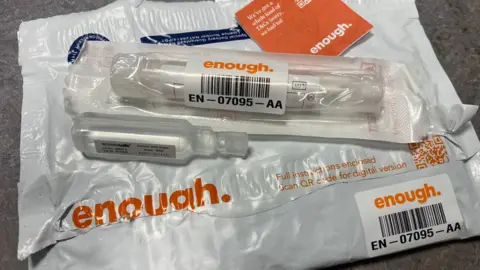
The advertising standards established by the ASA require that all claims made in promotional materials must be substantiated with credible scientific evidence. For genetic testing companies, this means providing peer-reviewed research or clinical studies that support assertions about health predispositions, disease risk assessments, or ancestry conclusions. Enough's marketing materials fell short of these requirements, leading to the ban on their advertisements across various online platforms and social media channels.
This ruling comes at a time when the direct-to-consumer genetic testing sector is experiencing explosive growth. Companies offering DNA self-swab kits have become increasingly popular, with millions of consumers worldwide purchasing these products to learn about their genetic makeup. However, the industry has also faced criticism from medical professionals and regulatory bodies who question whether all marketing claims are appropriately grounded in scientific evidence and whether consumers fully understand the implications and limitations of genetic testing.
The ASA's decision affects not only Enough's current marketing campaigns but also serves as a warning to other companies operating in the DNA testing industry. Regulators are becoming more vigilant about monitoring health claims made by genetic testing firms, particularly regarding disease risk and health predispositions. Companies must now ensure that any assertion made in their advertisements can be backed up by solid scientific research and expert consensus.
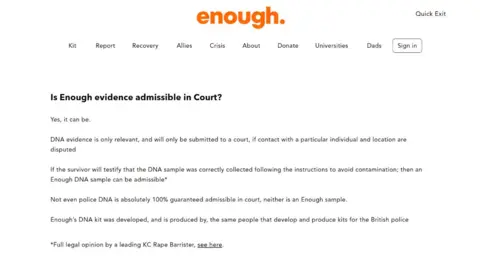
The distinction between ancestry information and health-related claims is particularly important in genetic testing marketing. While ancestry data tends to be more straightforward to validate, health claims are considerably more complex. Genetic predispositions do not guarantee that an individual will develop a particular condition, and numerous environmental and lifestyle factors play crucial roles in disease development. The ASA ruling emphasizes that companies must be clear about these nuances and avoid overstating the predictive power of genetic tests.
Consumer advocacy groups have largely welcomed the ASA's decision as a necessary step toward protecting the public from misleading health information. These organizations have long expressed concern about the potential for genetic testing companies to create false hope or unnecessary anxiety in consumers by making exaggerated claims about disease risk. Accurate, transparent communication is essential, particularly when it comes to health-related information that might influence personal medical decisions.
Enough has the opportunity to appeal the ASA's ruling, though the company has not yet indicated whether it will pursue this course of action. If the company wishes to continue marketing its DNA self-swab kits online, it will need to substantially revise its advertising materials to align with ASA requirements. This may involve removing or substantially qualifying certain claims, providing more detailed explanations of test limitations, and including disclaimers about the need for professional medical interpretation.

The broader implications of this ruling extend beyond Enough to the entire genetic testing industry. Other companies offering similar products should carefully review their own marketing practices to ensure compliance with advertising standards. The ASA ruling serves as a clarification that vague or unsubstantiated claims about genetic health risks, ancestral heritage, or other genetic characteristics will not be tolerated in promotional materials.
Medical professionals have consistently stressed the importance of genetic counseling when interpreting DNA test results. While self-swab kits provide convenience and lower costs compared to traditional genetic testing conducted in medical settings, they lack the professional guidance and contextual interpretation that a qualified genetic counselor can provide. This gap between direct-to-consumer testing and clinical genetic testing represents an important consideration that advertising must adequately address.
The ASA's enforcement action also raises questions about how genetic testing marketing will evolve in response to increased regulatory scrutiny. Companies may need to invest more resources in ensuring their claims are properly substantiated before launching advertising campaigns. Additionally, consumer education about the realistic capabilities and limitations of genetic testing may become an increasingly important component of responsible marketing in this sector.
This enforcement action reflects a broader trend toward increased regulatory oversight of health-related claims in digital marketing. As consumers become more engaged with online health information and personalized medicine becomes increasingly prominent in popular culture, regulatory bodies are stepping up their efforts to prevent misleading claims. The ASA's ruling against Enough demonstrates that even well-established companies cannot escape scrutiny if their marketing materials fail to meet evidence-based standards.
Looking forward, the genetic testing industry faces a critical juncture where marketing practices and scientific accuracy must align more closely. Companies that invest in proper substantiation of their claims and transparent communication with consumers are more likely to build long-term trust and avoid regulatory action. The ASA ruling serves as both a cautionary tale and a catalyst for positive change within an industry that continues to evolve rapidly.
Source: BBC News
