
DNA Solves Franklin Expedition Mystery: Four More Sailors Identified

Archaeologists identify four additional crew members from Captain Franklin's doomed 1846 Arctic expedition using advanced DNA analysis techniques.
In a significant breakthrough for polar archaeology, researchers have successfully identified four additional crew members from Captain Sir John S. Franklin's historic and tragic 1846 Arctic expedition. This latest achievement adds substantially to the growing roster of identified remains from one of history's most infamous maritime disasters. The DNA identification marks another important milestone in solving the century-old mystery surrounding the fate of the expedition's crew members who perished in the Canadian Arctic.
The groundbreaking research findings have been documented in two peer-reviewed academic papers that represent the culmination of years of meticulous forensic and genetic work. One study was published in the prestigious Journal of Archaeological Science, while the second appeared in the Polar Record, a leading publication focused on Arctic and Antarctic research. These publications underscore the scientific rigor and international recognition given to this ongoing investigation into one of the most compelling unsolved mysteries of the nineteenth century.
The Franklin expedition embarked on its ambitious mission on May 19, 1845, with the goal of successfully navigating the Northwest Passage across the Canadian Arctic. The venture was last documented in July 1845 when ships in the region made final contact with the expedition's two vessels. What followed was a prolonged silence that would ultimately lead to one of the era's greatest maritime tragedies and spawn countless theories about what befell the explorers.
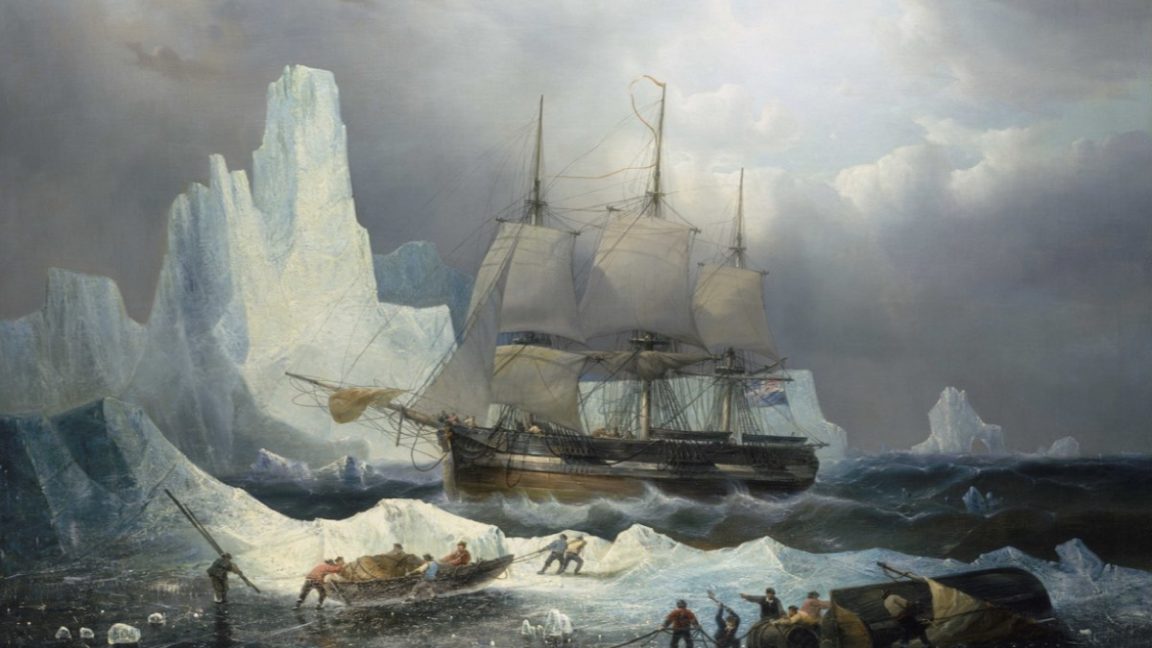
The expedition's two ships, the HMS Erebus and the HMS Terror, became trapped in pack ice in the Victoria Strait, a region where temperatures plummeted and supplies dwindled rapidly. The vessel captains and crew faced unprecedented hardship as their ships remained locked in the unforgiving ice throughout the long Arctic winter. All 129 crew members aboard the two ships ultimately perished in this desolate environment, making it one of the most catastrophic exploration disasters in maritime history.
The mystery surrounding Franklin's expedition has captivated public imagination for nearly two centuries, inspiring numerous books, documentaries, and expeditions intent on uncovering the truth. The harsh conditions, the isolation, and the complete disappearance of the entire crew created an enduring historical enigma that researchers have worked tirelessly to solve. Each new discovery brings us closer to understanding the specific circumstances that led to the tragedy and the individual stories of those who perished.
Modern DNA analysis techniques have revolutionized the study of historical remains and have proven instrumental in identifying skeletal remains recovered from various Arctic sites associated with the Franklin expedition. These advanced forensic methods allow scientists to extract genetic material from bones that have been preserved in the Arctic's frozen environment for over 170 years. The cold temperatures have acted as a natural preservative, maintaining DNA integrity that would otherwise have degraded beyond recovery in warmer climates.
The identification of these four additional crew members represents years of collaborative work between Canadian and international archaeologists, geneticists, and historians. Researchers have systematically compared DNA extracted from recovered remains with genealogical records and reference samples to establish definitive identifications. This meticulous approach requires cross-referencing multiple lines of evidence including dental records, bone analysis, and historical documentation to ensure accuracy.
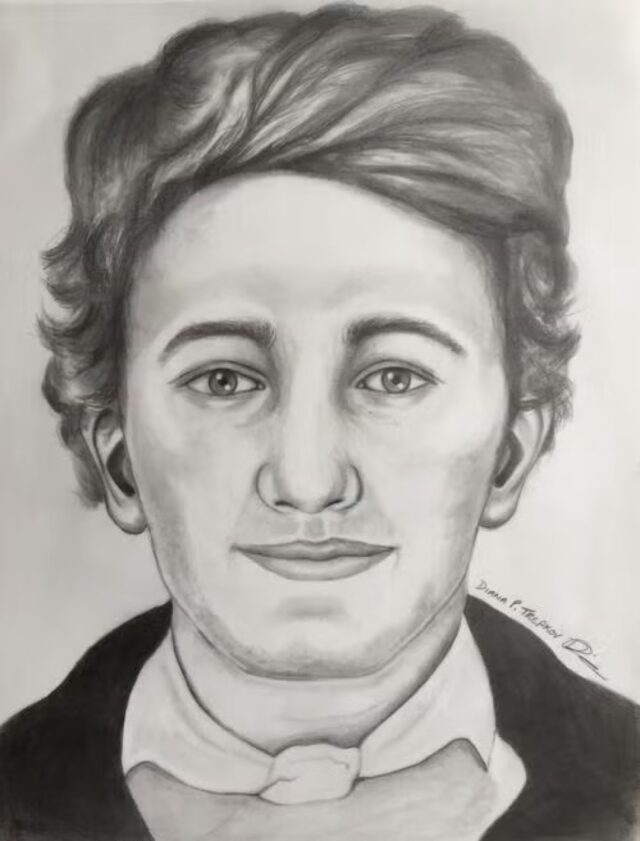
Each newly identified crew member adds a human dimension to the broader tragedy, transforming abstract historical records into specific individuals with families, backgrounds, and personal stories. The sailors came from diverse backgrounds and social classes, from officers commanding the vessels to ordinary seamen working the decks. Understanding who they were and how they died helps contextualize the expedition's failure and provides closure to descendants who have waited generations for answers about their ancestors' fates.
The Arctic expedition took place during an era of intense international competition to map and navigate the world's remaining unexplored regions. Franklin's mission was among the most ambitious polar exploration attempts of the Victorian era, backed by the British Royal Navy and supported by significant financial resources. The expedition's failure proved a sobering reminder of nature's power and the limitations of nineteenth-century technology when confronted with extreme polar environments.
The recovery and identification process has involved examining remains from multiple locations scattered across the Arctic. Some crew members' remains were found on King William Island and neighboring regions where the expedition's final camp is believed to have been located. The distribution of remains over such a vast geographic area suggests that survivors may have attempted to reach help by traveling overland after abandoning their trapped ships.
Previous research has revealed disturbing evidence suggesting that some crew members may have resorted to cannibalism as a final desperate measure for survival. This aspect of the tragedy, while gruesome, provides crucial insight into the extreme desperation the survivors faced. The identification of individuals whose remains show such evidence helps document the progression of the crew's deteriorating circumstances and their increasingly desperate attempts to survive.
The University of Waterloo and other leading research institutions have been instrumental in advancing this research through the application of cutting-edge genetic technologies. These collaborative efforts bring together expertise from multiple disciplines including archaeology, genetics, history, and forensic science. The interdisciplinary approach has proven far more effective than any single methodology could be in unraveling this complex historical mystery.

As researchers continue their investigations, additional crew members may yet be identified through ongoing DNA testing and analysis. New technologies emerge regularly that can extract genetic information from increasingly degraded samples. Future discoveries may shed further light on the sequence of events that unfolded during the expedition's final months and provide a more complete understanding of how and when various crew members perished.
The Franklin expedition remains a defining moment in Arctic exploration history and a testament to human resilience and the profound dangers of venturing into Earth's harshest environments. The ongoing identification efforts ensure that these sailors' stories are preserved for future generations and that the lessons learned from this tragedy are not forgotten. As more crew members are identified, historians can piece together a more comprehensive narrative of one of history's most tragic and compelling polar expeditions.
Source: Ars Technica


