
DoJ Accused of Rushing SPLC Charges Under Political Pressure

Democratic lawmakers cite whistleblower claims that DoJ official Todd Blanche pressured prosecutors to file charges against Southern Poverty Law Center despite weak case.
A significant controversy has emerged within the Department of Justice regarding allegations that a high-ranking official in Todd Blanche's office improperly pressured federal prosecutors to move forward with criminal charges against the Southern Poverty Law Center (SPLC), despite substantial concerns about the viability and strength of the underlying case. The whistleblower account, which has been brought to the attention of House Democrats, raises serious questions about prosecutorial independence and the politicization of the justice system.
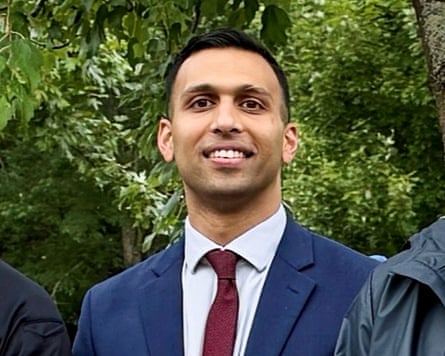
According to House Democrats Jamie Raskin and Mary Gay Scanlon, the DoJ official named Aakash Singh allegedly "ordered" federal prosecutors working in the Alabama jurisdiction to "rush through the indictment of the SPLC, despite serious concerns about the strength of the case." This characterization suggests a troubling disconnect between pressure from leadership and the professional judgment of career prosecutors who had reservations about proceeding with the charges.
The allegations represent a significant development in ongoing tensions between political appointees and career prosecutors within the Department of Justice. The incident underscores broader concerns about whether the justice department is being used as a tool to pursue politically motivated prosecutions rather than being guided by traditional prosecutorial standards and evidentiary thresholds.
The Southern Poverty Law Center, a prominent civil rights organization that has long tracked and exposed extremist movements and hate groups, became the subject of this controversial criminal investigation and subsequent indictment. The organization has consistently maintained its innocence and has questioned the motivations behind the prosecution from its inception.

The whistleblower's account was presented to House Democrats as part of their broader oversight responsibilities and investigation into potential politicization of the justice system. The claims made by the whistleblower, if substantiated, would constitute a serious breach of prosecutorial ethics and departmental protocols that are designed to ensure that federal charges are pursued only when there is sufficient evidence and legitimate legal grounds to do so.
Aakash Singh's reported actions represent what critics characterize as a troubling departure from the established norms of the Department of Justice, where career prosecutors are supposed to maintain independence in making charging decisions. The pressure allegedly applied to prosecutors in Alabama suggests that political considerations may have overridden professional legal judgment in the decision to move forward with the indictment.
House Democrats have indicated that they are taking these allegations seriously and are prepared to conduct further investigations into the matter. The oversight committee's involvement suggests that the issue extends beyond internal DoJ concerns and raises questions about whether the department's leadership is adhering to constitutional principles and established prosecutorial standards.
The case against the SPLC represents one of several instances where the Trump administration's justice department has faced accusations of pursuing prosecutions with questionable legal merit or politically motivated intentions. Critics have pointed to a pattern of aggressive prosecutions that seem designed to target organizations or individuals perceived as political opponents.
Legal experts and civil rights advocates have questioned the underlying basis for the SPLC indictment, arguing that the charges appear to be based on the organization's protected speech and advocacy activities rather than on any genuine criminal conduct. The organization's long history of documenting hate groups and extremist movements has made it a target for those who view its work critically or see it as politically motivated.
The whistleblower's decision to come forward represents a significant act of institutional courage, as it involves challenging actions taken by a powerful figure within the justice department hierarchy. Such whistleblower accounts are crucial for maintaining accountability and ensuring that the department operates according to established legal and ethical standards rather than being captured by political interests.
The response from House Democrats emphasizes the gravity with which they view these allegations. Raskin and Scanlon's public statement indicates that the issue is not merely an internal administrative matter but rather a fundamental question about the rule of law and whether the justice system is being used fairly and impartially.
The allegations also raise broader questions about how the DoJ leadership has managed relationships between political appointees and career prosecutors during this administration. If appointed officials are indeed overriding the professional judgment of experienced prosecutors, this would represent a significant shift in how the justice department functions and could have long-term consequences for the institution's integrity and reputation.
The case involving the SPLC is likely to become a focal point in ongoing debates about the proper role of the justice department and whether it should serve as an instrument of political ideology or remain committed to impartial application of the law. The whistleblower allegations provide concrete evidence that will inform these discussions and may influence future oversight efforts by Congress.
Moving forward, the investigation into these allegations will likely involve detailed examination of communications between DoJ officials, the timeline of the charging decision, and the specific concerns raised by federal prosecutors about the strength of the case. This documentation will be crucial in determining whether improper pressure was indeed applied and whether the charges should be reconsidered or dismissed.
The implications of these allegations extend beyond the specific case against the SPLC. They speak to fundamental questions about the independence of the judiciary and the integrity of the federal prosecution system. If political appointees can successfully pressure career prosecutors into bringing charges that lack sufficient legal merit, this undermines the entire foundation of equal justice under law.
The Southern Poverty Law Center and its legal team have indicated they intend to vigorously defend against the charges and have called for an independent review of the decision to prosecute. The organization maintains that the charges are baseless and appear designed to silence or punish its advocacy work on behalf of civil rights.
The situation highlights the importance of robust oversight mechanisms within the justice department and congressional monitoring of prosecutorial decisions. These checks on power are designed to prevent exactly the kind of scenario described in the whistleblower account, where political considerations override professional legal judgment.
As the investigation proceeds, the actions and statements of DoJ leadership will be scrutinized to determine whether they encouraged, tolerated, or explicitly directed the pressure on federal prosecutors. The answers to these questions will have significant implications for how the department is perceived and how future decisions about criminal prosecutions are made.


