
DOJ Cases Against Protesters Collapse Amid Officer Lies

Federal prosecutors face embarrassing defeats as courts expose law enforcement dishonesty in cases against protesters and government critics.
The Department of Justice is experiencing a cascade of humiliating courtroom defeats as federal prosecutors struggle to maintain their aggressive stance against individuals accused of confronting law enforcement officers. These legal setbacks have exposed a troubling pattern of prosecutorial overreach and questionable testimony from federal agents, undermining the government's credibility in high-profile cases involving civil rights activists, immigration critics, and protesters.
Across multiple federal districts, federal prosecutors have pursued an increasingly hardline approach toward individuals allegedly involved in confrontations with government officials. The charges typically involve accusations of assault on federal officers, obstruction of justice, and interference with official duties. However, this prosecutorial strategy has backfired spectacularly as defense attorneys have successfully challenged the veracity of officer testimony and exposed significant inconsistencies in law enforcement accounts.
Legal experts specializing in civil liberties have raised serious concerns about the Department of Justice's systematic approach to characterizing defendants as violent perpetrators without sufficient evidence to support such claims. This pattern of aggressive prosecution has drawn criticism from across the legal spectrum, with veteran defense attorneys noting an unprecedented willingness by federal prosecutors to pursue cases based on questionable evidence and potentially fabricated testimony from law enforcement personnel.
The collapse of these cases has revealed a deeper institutional problem within federal law enforcement agencies, where officers appear to have provided false or misleading testimony under oath. Court records demonstrate that in numerous instances, video evidence, witness testimony, and forensic analysis have directly contradicted official police reports and sworn statements from federal agents involved in arrests.
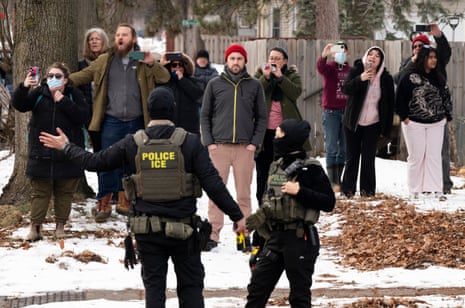
One particularly damaging pattern has emerged involving immigration enforcement operations, where Immigration and Customs Enforcement officers and other federal agents have allegedly misrepresented the circumstances surrounding arrests of individuals who were simply present during enforcement actions. These cases often involve charges of interfering with federal officers, but court proceedings have repeatedly shown that the accused individuals were either attempting to document the arrests or were simply bystanders who became caught up in enforcement operations.
The government's approach has been characterized by legal scholars as an attempt to criminalize dissent and create a chilling effect on First Amendment activities. Prosecutors have consistently sought maximum penalties for defendants, often requesting lengthy prison sentences for alleged offenses that, upon closer examination, appear to be either greatly exaggerated or entirely fabricated by arresting officers.
Federal judges presiding over these cases have expressed increasing skepticism about the reliability of law enforcement testimony, with several issuing scathing opinions that question the integrity of the prosecution's evidence. In multiple instances, judges have dismissed cases outright after determining that officer testimony was not credible and that video evidence contradicted official accounts of alleged assaults or interference.
The pattern of collapsed prosecutions extends beyond immigration-related cases to include various forms of political protest and civil disobedience. Federal authorities have pursued charges against individuals involved in demonstrations at government facilities, often alleging that protesters assaulted officers or impeded their duties when evidence suggests the encounters were either non-violent or involved legitimate expressions of protected speech.
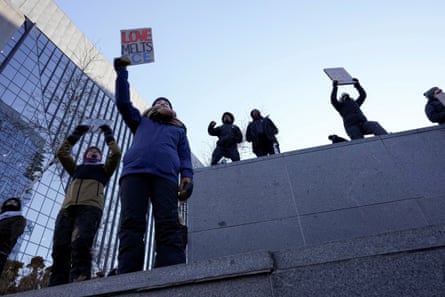
Defense attorneys working on these cases have reported a consistent pattern of prosecutorial misconduct, including the withholding of exculpatory evidence, failure to properly investigate officer testimony, and reliance on police reports that contain significant factual inaccuracies. These ethical violations have prompted some judges to impose sanctions on prosecutors and have led to calls for broader investigations into federal law enforcement practices.
The civil rights implications of this prosecutorial strategy have attracted attention from advocacy organizations, who argue that the Department of Justice is weaponizing the criminal justice system to suppress legitimate political dissent. These groups point to the disproportionate targeting of protesters, immigrants, and government critics as evidence of a systematic effort to intimidate individuals who challenge federal authority.
Legal analysts note that the collapse of these cases represents more than just prosecutorial incompetence; it reveals a fundamental breakdown in the checks and balances that are supposed to prevent the abuse of federal law enforcement power. The willingness of prosecutors to pursue cases based on unreliable officer testimony suggests a culture within federal law enforcement that prioritizes convictions over truth and justice.
The financial cost of these failed prosecutions has also drawn scrutiny from government accountability watchdogs, who estimate that taxpayers have spent millions of dollars on cases that were ultimately dismissed or resulted in acquittals. This waste of public resources, combined with the damage to the justice system's credibility, has prompted calls for comprehensive reform of federal prosecution practices.
Recent court decisions have highlighted the extent to which federal officers have allegedly fabricated or embellished their accounts of encounters with civilians. In several high-profile cases, body camera footage and independent witness testimony have directly contradicted sworn statements from law enforcement personnel, leading to perjury investigations and internal affairs reviews.
The Department of Justice's response to these setbacks has been largely defensive, with officials maintaining that they are committed to prosecuting individuals who assault federal officers or interfere with legitimate law enforcement activities. However, critics argue that the agency's definition of "assault" and "interference" has been stretched beyond recognition to criminalize behavior that would typically be considered protected under the First Amendment.
Constitutional law experts have warned that the government's aggressive prosecution strategy represents a dangerous erosion of civil liberties and democratic norms. They argue that the systematic targeting of protesters and government critics creates a climate of fear that undermines the fundamental right to dissent and hold government officials accountable for their actions.
The implications of these prosecutorial failures extend far beyond individual cases, raising questions about the integrity of the entire federal law enforcement apparatus. As more cases collapse due to officer dishonesty and prosecutorial overreach, public confidence in the justice system continues to erode, potentially undermining the government's ability to pursue legitimate criminal cases in the future.
Source: The Guardian


