
DOJ Inspector General Launches Epstein Files Audit

DOJ's inspector general announces audit of justice department's compliance with Epstein Files Transparency Act following missed deadlines and redaction issues.
The United States Department of Justice's Office of the Inspector General (OIG) announced Thursday that it will conduct a comprehensive audit examining the justice department's adherence to the Epstein Files Transparency Act. The decision follows widespread concerns about how federal authorities have handled the mandatory release of sensitive documents related to the high-profile case involving deceased financier Jeffrey Epstein.
Deputy Inspector General William M Blier, who is currently performing the duties of the inspector general, issued an official statement detailing the scope of the upcoming investigation. According to the announcement, the preliminary objective of this internal probe is to evaluate the justice department's processes for identifying, redacting, and releasing records in its possession as required by the legislation. This audit represents a significant step toward accountability in one of the most closely watched document-release efforts in recent history.
The Epstein Files Transparency Act mandated the release of thousands of pages of documents related to the late financier's criminal case and connections to various high-profile individuals. However, the implementation of this transparency requirement has been fraught with complications and procedural challenges that have frustrated victims' advocates, journalists, and members of Congress.
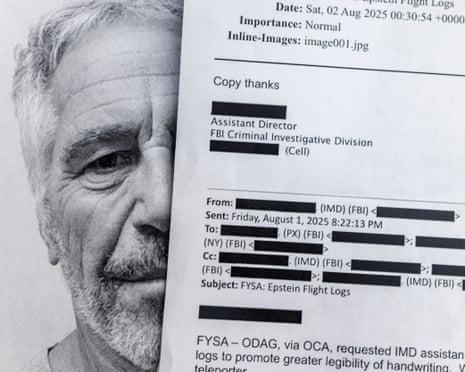
Among the most serious issues plaguing the document release process have been consistent missed deadlines for making materials public, despite clear statutory requirements. The justice department failed to meet several key dates established by Congress for the phased release of records, creating delays that extended months beyond what was legally mandated. These failures sparked criticism from oversight committees and raised questions about the department's commitment to transparency and public disclosure.
Additionally, the release process has been marred by troubling incidents involving the inadvertent exposure of victims' personal information. Several batches of documents released to the public contained sensitive details that should have been protected, including names, addresses, and other identifying information belonging to individuals who had been victimized in connection with Epstein's criminal enterprise. These breaches represented serious violations of privacy protections and victim confidentiality standards.
Beyond the security failures, critics have also raised substantial concerns about what many view as excessive and unjustified redactions appearing throughout the released materials. Significant portions of documents have been blacked out or removed entirely, often with explanations citing national security, attorney-client privilege, or other justifications. However, transparency advocates and legal experts have questioned whether these redactions are truly necessary or whether they represent an overcautious approach that undermines the stated purpose of the Epstein Files Transparency Act.
The inspector general's audit will examine the justice department's procedures and practices across multiple dimensions of the document release process. Investigators will likely scrutinize how the department identifies which records fall under the scope of the transparency mandate, how it applies redaction standards, and how it implements protective measures to prevent the disclosure of sensitive information. The audit will also assess whether adequate resources and personnel have been allocated to manage this complex undertaking.
This investigation is expected to take several months to complete, as the scope of potentially relevant documents is extensive. The inspector general's office will need to review numerous files, interview relevant department personnel, and examine the decision-making processes that led to the various problems that have emerged. The audit represents one of the most significant internal investigations into the justice department's transparency practices in recent years.
The announcement comes amid ongoing public interest in the Epstein case and growing frustration from victims and their representatives about the pace and completeness of information being made available. Many individuals who were affected by Epstein's actions have called for complete transparency, arguing that victims and the public deserve access to all relevant documents that do not pose genuine security risks or violate legitimate privacy concerns.
Congressional pressure has also played a significant role in prompting this audit. Members of both the House and Senate have expressed concerns about the implementation of the Epstein Files Transparency Act, with some calling for investigations into why the justice department has struggled to meet its obligations. The inspector general's audit represents a direct response to these legislative concerns and demonstrates that oversight mechanisms are being activated to address the failures.
The inspector general's office stated that once the audit is complete, it will provide recommendations for improving the document release process and ensuring better compliance with transparency requirements going forward. These recommendations could lead to procedural changes within the justice department, additional training for personnel involved in the release process, or revised protocols for redaction decisions and victim information protection.
Legal experts have noted that this audit could have broader implications for how federal agencies approach transparency mandates. If the inspector general identifies systemic problems within the justice department's handling of the Epstein files, similar issues may exist in other government transparency initiatives. The findings could inform policy discussions about how to better balance transparency obligations with legitimate concerns about security and privacy protection.
The justice department has not yet responded with detailed comments about the specific areas of concern the inspector general intends to investigate. However, department officials have previously stated their commitment to complying with the Epstein Files Transparency Act and have acknowledged that some challenges have emerged in the implementation process. The audit will provide an objective assessment of these challenges and the department's response efforts.
Victims' advocates and transparency organizations have expressed cautious optimism about the inspector general's involvement. Many hope that this independent review will identify specific failures and result in concrete improvements to prevent similar problems in future transparency initiatives. The audit is seen as an important accountability mechanism that could restore public confidence in the government's ability to manage sensitive disclosures responsibly.
Source: The Guardian


