
Doom Soundtrack Joins Library of Congress

The iconic original Doom soundtrack has been officially inducted into the Library of Congress, joining cultural landmarks like Beyoncé's 'Single Ladies.'
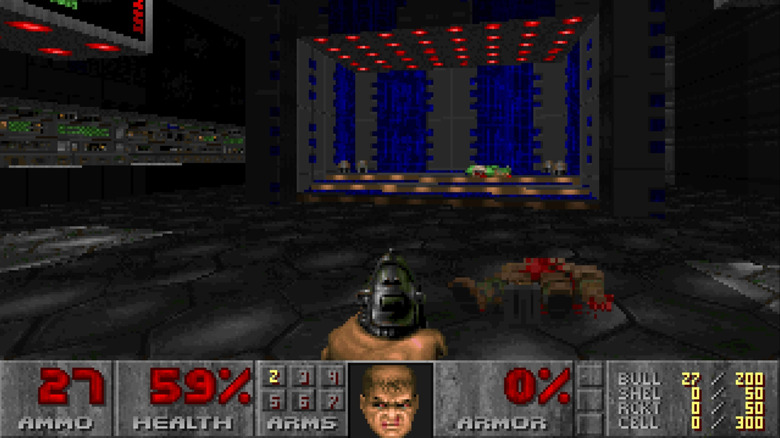
In a landmark recognition of video game culture's significance to American heritage, the original Doom soundtrack has been officially added to the prestigious collections of the Library of Congress. This historic induction underscores the growing acknowledgment that video game music represents a vital and enduring component of contemporary cultural expression. The addition places the iconic composition alongside other monumental works of popular music, marking a turning point in how institutions recognize interactive entertainment as worthy of preservation and scholarly attention.
The Doom soundtrack, composed by Bobby Prince for the groundbreaking 1993 first-person shooter, has long been celebrated for its innovative approach to electronic music composition and its integral role in shaping the gaming experience. The music's industrial, aggressive tone perfectly complemented the game's intense action sequences, creating an immersive audio-visual environment that captivated millions of players worldwide. This recognition by the Library of Congress validates what gaming enthusiasts have long understood: that the soundtrack is not merely background accompaniment but rather a masterwork of compositional creativity that has influenced decades of subsequent game design and electronic music production.
The Library of Congress's National Recording Registry, which selects recordings of significant cultural, historical, and aesthetic importance for preservation, has historically focused on traditional music formats. However, recent years have seen an expansion of the registry's scope to include diverse musical genres and contexts. The Doom soundtrack's inclusion represents a deliberate effort to acknowledge that cultural significance transcends conventional categorization and that video game music warrants the same institutional respect afforded to other musical achievements.
The 2024 class of inductees joining the Doom soundtrack includes other cultural powerhouses such as Beyoncé's chart-dominating single 'Single Ladies (Put a Ring on It)' and Taylor Swift's widely acclaimed album '1989'. Beyoncé's 2008 hit redefined contemporary pop music with its infectious hook and empowering message, becoming a generational anthem that has transcended its original context to influence popular discourse around relationships and self-worth. Swift's 2014 album marked a deliberate artistic reinvention, showcasing her transition from country music to mainstream pop and demonstrating her evolution as a songwriter and producer.
The National Recording Registry's decision to simultaneously honor these works—ranging from video game soundtracks to contemporary pop records—reflects a matured understanding of cultural value that extends beyond traditional musical hierarchies. Each inductee represents excellence within its respective context and has demonstrated lasting cultural resonance that continues to influence creators and audiences across generations. This inclusive approach to cultural preservation ensures that the archive accurately represents the diverse musical landscape that has shaped American identity in the modern era.
For the video game industry, the Library of Congress's recognition of the Doom soundtrack serves as validation of gaming's artistic merit and cultural importance. Video games represent a multi-billion dollar industry that influences entertainment, technology, and social interaction globally. The inclusion of game music in prestigious national archives signals an institutional shift toward recognizing interactive media as legitimate art forms deserving of serious scholarly and historical consideration.
Bobby Prince's compositional work on Doom emerged from his deep understanding of synthesizer technology and his ability to craft melodies that would persist in players' minds long after gameplay ended. The soundtrack's influence extended far beyond the game itself, inspiring countless game composers and electronic musicians who studied its structural innovations and tonal qualities. In an industry often dominated by orchestral compositions and licensed popular music, the Doom soundtrack demonstrated that purposefully designed electronic music could achieve artistic legitimacy and emotional resonance.
The preservation of the Doom soundtrack in the Library of Congress ensures that future generations of researchers, musicians, and cultural historians will have access to this important artifact of late twentieth-century American creativity. Libraries and archives play a crucial role in maintaining cultural continuity, ensuring that important works are not lost to obsolescence or degradation. By formally recognizing the Doom soundtrack, the Library of Congress commits to its long-term preservation and makes it available for study and analysis by scholars examining the evolution of popular music and interactive entertainment.
This induction also highlights broader conversations within the music industry and cultural institutions about how we define and value artistic achievement. While Beyoncé and Taylor Swift represent the most commercially visible form of contemporary music, the recognition of Bobby Prince's work demonstrates that significance cannot be measured solely by sales figures or mainstream media coverage. Instead, cultural institutions now increasingly evaluate works based on their lasting impact, innovation, and influence on their respective fields and beyond.
The Library of Congress National Recording Registry maintains an archive of over 600 recordings deemed culturally and historically important, ranging from classical symphonies to rock albums to jazz standards. Recent additions have included works by artists such as Aretha Franklin, The Beatles, and countless others whose contributions have shaped popular music. The 2024 class represents a continuation of the registry's mission to document the full spectrum of American musical creativity across all genres and mediums.
Looking forward, the recognition of the Doom soundtrack may open doors for other video game compositions to receive similar institutional acknowledgment. Game franchises such as The Legend of Zelda, Final Fantasy, and Metal Gear Solid feature soundtracks that have achieved comparable levels of artistic innovation and cultural influence. As interactive entertainment continues to mature as an art form, we can anticipate that more game music will be formally recognized and preserved by major cultural institutions worldwide.
The addition of Doom's soundtrack to the Library of Congress ultimately represents a validation of video game culture itself. For decades, gaming faced cultural dismissal from mainstream institutions that failed to recognize its artistic, narrative, and technical achievements. Today, as gaming represents a larger entertainment market than film and television combined, such institutional recognition becomes not merely symbolic but reflective of cultural reality. The Doom soundtrack's induction marks another milestone in gaming's journey toward full recognition as a legitimate and vital form of contemporary artistic expression.
Source: Engadget


