
Dory Sign: E Ink Smart Display Done Right

Discover how the Dory Sign proves smart devices don't need bloat. A refreshingly simple e ink display that prioritizes function over unnecessary features.
In an era where manufacturers are obsessed with adding connectivity and artificial intelligence to virtually every household item, there's a refreshing counterargument to this trend: sometimes simpler is genuinely better. Many gadgets marketed as being "smart" make consumers wonder if they would actually serve their intended purpose more effectively if they remained deliberately dumb.
The landscape of smart home devices is littered with cautionary tales. Smart TVs have become notorious for collecting viewing data and transmitting it back to manufacturers and advertisers, turning your living room into a surveillance space. Smart refrigerators have begun displaying advertisements directly on their screens, attempting to upsell you products while you're trying to decide what to eat. High-end fitness equipment marketed as smart gym devices has been rendered completely non-functional due to firmware updates that disabled their offline capabilities, leaving expensive machines as expensive paperweights. Meanwhile, smart toothbrushes promise advanced features but deliver disappointing battery life that requires constant recharging. The common denominator across all these examples is that they've sacrificed usability, affordability, and durability in pursuit of unnecessary technological sophistication.
The core problem stems from a fundamental misunderstanding about what makes technology truly valuable to consumers. Too often, modern technological capabilities—such as inter-device connectivity, cloud integration, and artificial intelligence—are forcibly incorporated into products where they add minimal practical benefit. Instead of enhancing the user experience, these technologies frequently complicate interfaces, introduce points of failure, increase costs, create privacy concerns, and reduce product longevity. A straightforward gadget that does one thing exceptionally well often provides far more value than a feature-bloated alternative that tries to do everything adequately.
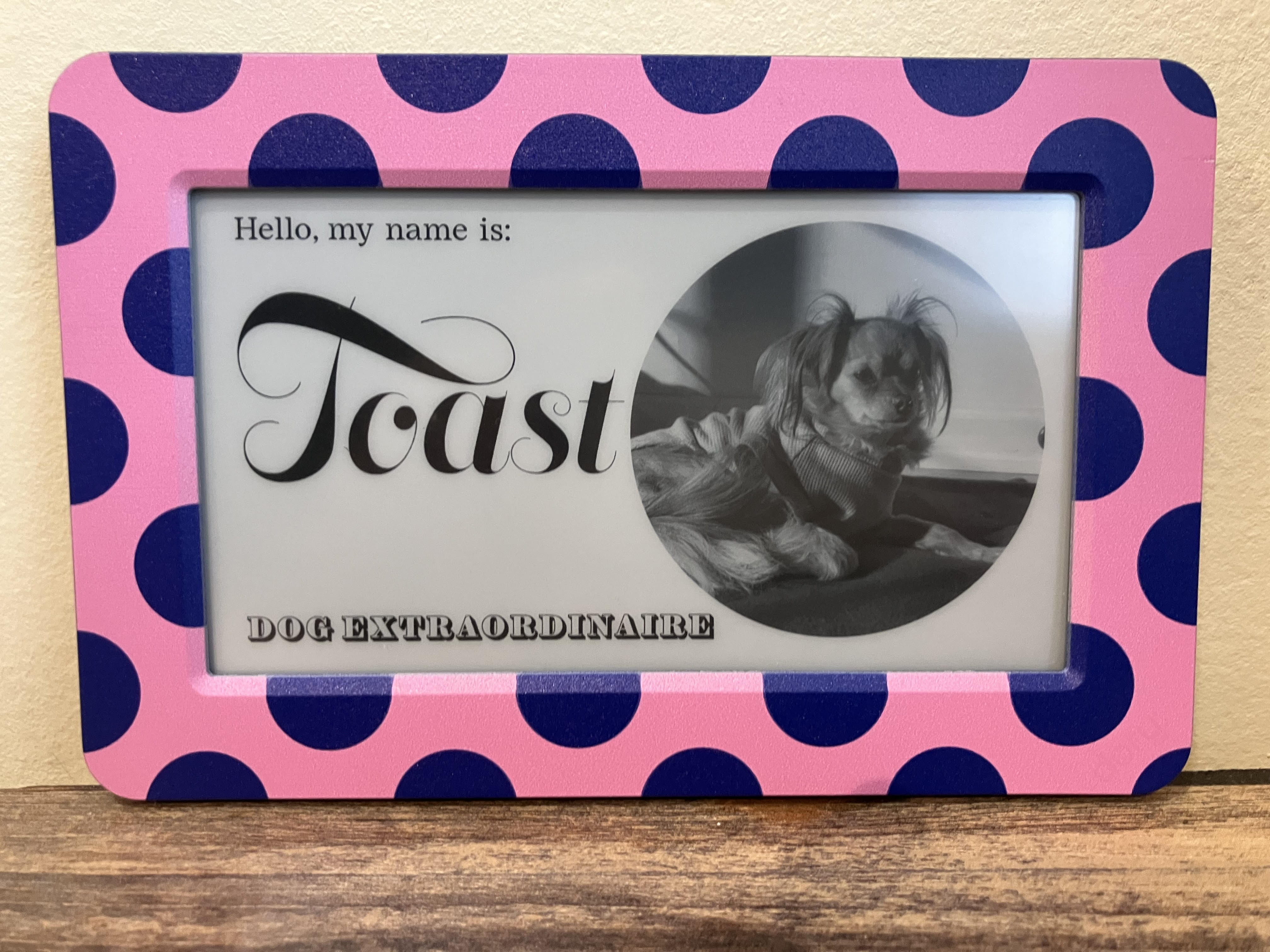
Enter the Dory Sign, a device that represents a refreshing departure from this exhausting trend of technological overkill. The Dory Sign is an e ink display that embraces elegant simplicity while still leveraging smart technology in genuinely useful ways. Rather than attempting to be a jack-of-all-trades device, it focuses intently on doing what it does best: displaying information on a beautiful, easy-to-read screen that consumes minimal power.
The e ink technology at the heart of the Dory Sign is the real hero of this product story. Electronic paper displays have been around for years, most famously in Amazon Kindle e-readers, but their application has remained relatively narrow. E ink displays are inherently power-efficient because they only consume energy when the image actually changes; the display maintains its appearance indefinitely without draining the battery. This characteristic makes e ink perfect for devices that need to show information continuously without requiring constant power input. Unlike traditional LCD or OLED screens that illuminate constantly and drain batteries rapidly, e ink displays can operate for weeks or even months on a single battery charge.
What makes the Dory Sign particularly compelling is how it resists the urge to overcomplicate its functionality. The device syncs with your smartphone or other connected devices to pull in relevant information—your calendar, weather updates, notes, or reminders—but it does so seamlessly without creating a frustrating app experience. The interface prioritizes clarity and accessibility, displaying information in a format that's instantly comprehensible without requiring users to navigate through menus or learn a complex operating system.
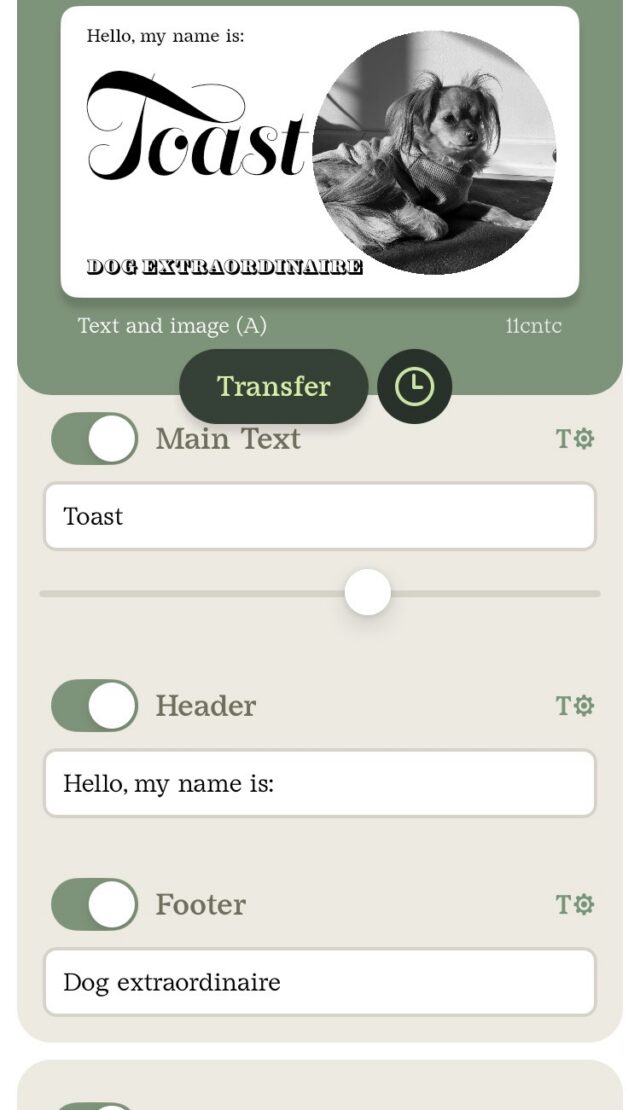
This design philosophy represents a crucial lesson that the smart device industry desperately needs to learn. Just because technology can be added to a product doesn't mean it should be. The Dory Sign proves that smart technology reaches its highest expression not when it's everywhere, but when it's deployed thoughtfully to solve genuine problems. By combining e ink display capabilities with selective, purposeful connectivity, the device delivers tangible improvements to daily life without introducing unnecessary complexity, cost, or privacy concerns.
The broader implications of the Dory Sign's approach extend far beyond a single device. It suggests a potential future where manufacturers prioritize user experience over feature lists, where durability trumps novelty, and where privacy protection is considered as essential as functionality. A device like the Dory Sign is inherently more sustainable than alternatives because its battery lasts longer, it requires less frequent replacement, and its simplicity means fewer components that can fail.
In the context of the current smart home ecosystem, the Dory Sign feels almost radical in its restraint. Most manufacturers would have been tempted to add voice control, artificial intelligence features, or dozens of additional capabilities. Instead, the designers understood their core audience—people who want reliable information display without the headaches that plague so many other smart devices. This clarity of purpose is becoming increasingly rare in technology design.
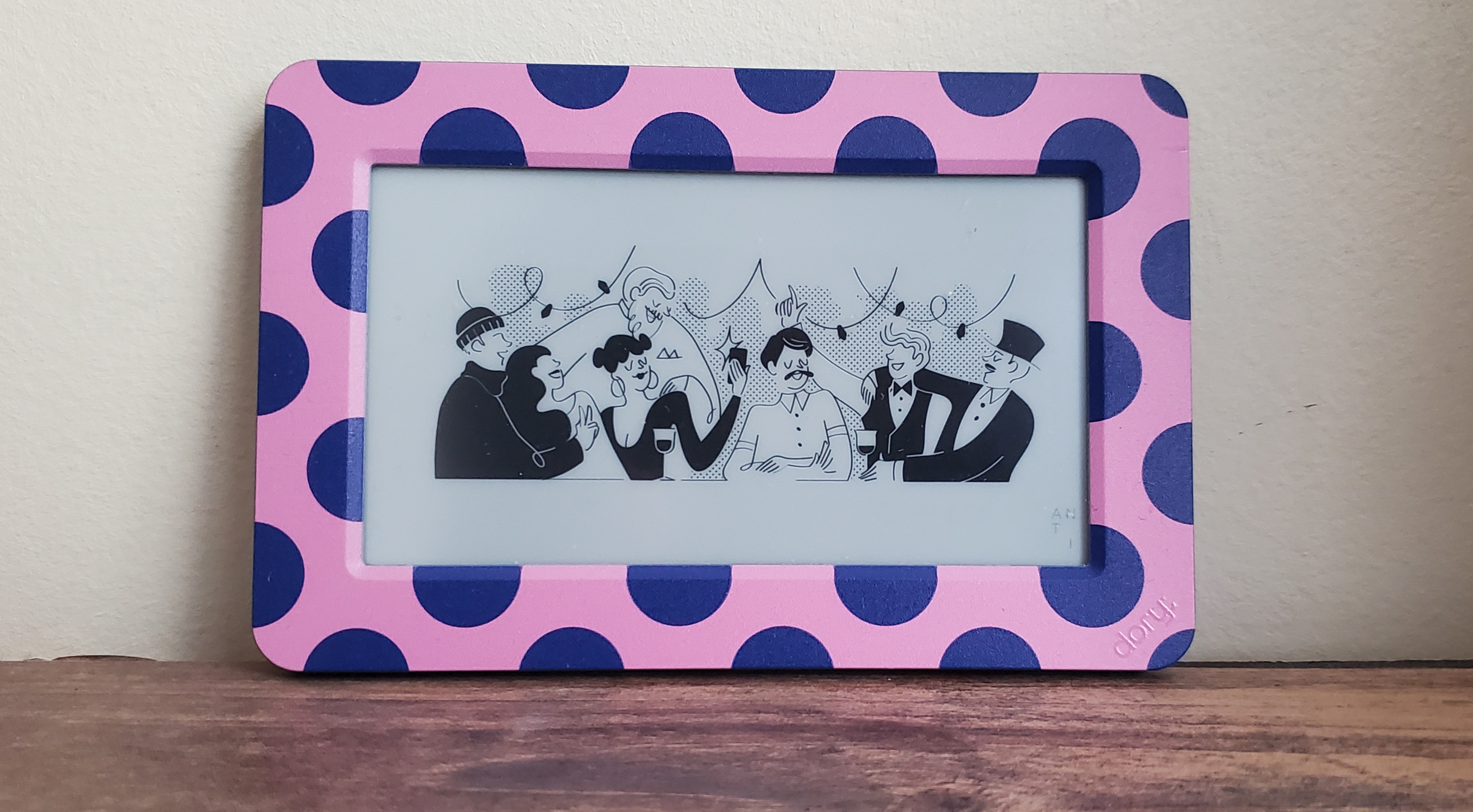
The battery life alone represents a massive quality-of-life improvement compared to competing smart displays that require daily or frequent charging. Users won't find themselves trapped in the frustrating cycle of devices dying at inconvenient times or discovering their purchased product no longer works because a company discontinued support. The e ink technology makes the Dory Sign genuinely reliable in a way that most smart devices simply aren't.
Looking forward, the Dory Sign might serve as a template for how other manufacturers could approach smart device design. By respecting user intelligence, protecting privacy, prioritizing longevity, and avoiding unnecessary features, companies could build products that people actually love rather than merely tolerate. The frustration with contemporary smart devices isn't really about technology itself—it's about poorly considered technology deployment, devices designed to extract value from users rather than provide it to them, and the systematic disregard for fundamentals like reliability and ease of use.
The Dory Sign demonstrates that there's room in the market for devices that are smart without being intrusive, connected without being exploitative, and advanced without being unnecessarily complicated. In an industry often defined by feature creep and bloatware, this represents not just a refreshing alternative but a powerful statement about what technology could be when designers put user needs first. For anyone exhausted by the current state of smart home devices, the Dory Sign offers a genuinely compelling vision of what technological simplicity can accomplish.
Source: Ars Technica


