
Double Fine Studio Workers Unite: CWA Union Drive Underway

Xbox studio Double Fine, creators of Psychonauts, launches unionization effort with Communications Workers of America. Details on the historic gaming industry move.
In a significant development for the video game industry, employees at Double Fine Productions, the acclaimed studio owned by Xbox Game Pass, have initiated a formal unionization effort in partnership with the Communications Workers of America (CWA). The studio, best known for developing the cult-classic Psychonauts franchise and numerous other innovative titles, is now joining the growing wave of labor organization sweeping through the gaming sector.
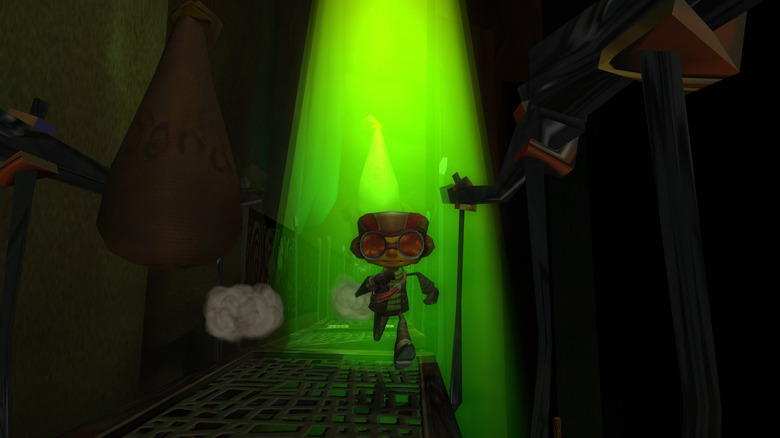
Double Fine Productions has established itself as a creative powerhouse within the gaming landscape, having produced memorable titles including Psychonauts, Psychonauts 2, Broken Age, and Grim Fandango Remastered. The studio's decision to pursue union representation marks another pivotal moment in the ongoing conversation about working conditions, compensation, and job security within the gaming industry. This move reflects broader concerns shared by game development professionals across multiple studios regarding workplace standards and employee protections.
The unionization effort represents a coordinated campaign between Double Fine's workforce and the CWA, one of North America's largest labor organizations. The CWA has increasingly focused on organizing workers in the technology and media sectors, recognizing the unique challenges faced by creative professionals. This partnership demonstrates the union's commitment to bringing collective bargaining protections to video game developers who have historically lacked formal representation.
The gaming industry has witnessed unprecedented labor activity over the past few years, with employees at major publishers and studios raising concerns about crunch culture, inadequate compensation relative to industry profits, and limited job security. Game developers have increasingly voiced frustrations about mandatory overtime periods, unsustainable work schedules, and the precarious nature of employment in an industry prone to sudden layoffs. These systemic issues have motivated workers across studios to seek formalized protections through collective bargaining agreements.
Double Fine's unionization effort comes at a time when major gaming companies are facing increased scrutiny regarding their labor practices. The studio, which has been under Microsoft's ownership through Xbox Game Pass since its acquisition, employs hundreds of talented developers, artists, designers, and support staff. The decision to organize reflects these employees' desire for greater workplace protections and a say in decisions affecting their careers and working conditions.
The Communications Workers of America has become increasingly active in organizing tech workers beyond traditional telecommunications sectors. The union recognizes that game developers face unique workplace challenges distinct from other tech employees, including project-based employment, extended crunch periods before game launches, and the emotional toll of working in a competitive creative environment. By organizing at Double Fine, the CWA aims to establish precedent for protecting workers in the creative gaming sector.
The timing of this unionization effort is notable given the broader landscape of video game industry dynamics. Over the past eighteen months, the industry has experienced significant workforce reductions, with major publishers announcing layoffs affecting thousands of employees. These cuts have underscored the vulnerability of workers in an industry where employment can be terminated suddenly due to project cancellations, corporate restructuring, or shifts in business strategy. Unionization offers workers a mechanism to negotiate severance terms, advance notice periods, and job protection clauses.
Double Fine's approach to game development has historically emphasized creative freedom and employee autonomy, characteristics that the studio has maintained even after joining Microsoft's portfolio. However, workers evidently believe that formal union representation would strengthen their position in negotiations regarding compensation, benefits, and working hours. The union organizing campaign suggests that even at studios with reputations for treating employees relatively well, workers recognize the value of collective bargaining power.
The response from Double Fine's management and Xbox leadership will be closely watched by the gaming industry and labor observers alike. Microsoft, which owns Double Fine through its Xbox Game Pass division, has not yet issued an official statement regarding the unionization effort. Industry analysts anticipate that the company's response will influence labor organizing efforts at other studios within Microsoft's gaming portfolio, which includes numerous development teams beyond Double Fine.
The broader gaming industry labor movement has gained momentum as workers recognize their collective power to negotiate better working conditions. Previous unionization efforts at other studios have demonstrated that organized workers can secure improved contracts, better compensation structures, and enhanced job security provisions. The precedent established by successful union campaigns influences other workers considering similar efforts at their respective studios.
Double Fine employees participating in the unionization effort are advocating for improvements that address long-standing industry concerns. These priorities typically include reduced mandatory crunch periods, transparent compensation structures aligned with industry standards, comprehensive health benefits, mental health support resources, and greater job stability protections. Union representation would provide a formal mechanism for employees to negotiate these provisions collectively rather than as individuals.
The involvement of the Communications Workers of America brings significant organizational resources and experience to Double Fine's unionization effort. The CWA has successfully organized workers across multiple industries and understands the specific dynamics of technology sector employment. The union's involvement indicates confidence in the viability and importance of establishing union representation at the studio, and signals the CWA's broader commitment to expanding its presence within the gaming industry.
Looking forward, the outcome of Double Fine's unionization effort will have considerable implications for the video game industry's labor landscape. A successful campaign would establish an important precedent for other game development studios considering similar efforts. Conversely, management resistance to unionization could intensify the labor-management divide within the industry and potentially motivate more aggressive organizing strategies by workers at other studios.
The Double Fine unionization campaign reflects fundamental questions about worker rights, corporate responsibility, and the future direction of game development as a profession. As the gaming industry continues to mature and consolidate under major corporate ownership, workers are increasingly asserting their right to collective representation. This labor organizing initiative at Double Fine represents an important moment in the ongoing evolution of worker protections and labor standards within the entertainment technology sector.
Source: Engadget


