
Dover Port Warns of Half-Term Holiday Queues

Dover Port anticipates significant congestion during half-term break as EU's new border system takes full effect. Travel delays expected.
Travelers heading to the continent this half-term break should prepare themselves for potentially substantial delays at Dover Port, as the facility warns of queuing challenges stemming from the EU's new border process. This upcoming holiday period marks the first major travel surge since the European Union's enhanced border management system was fully activated, creating a perfect storm of operational complexity for one of the world's busiest ferry terminals.
The Dover Port Authority has issued a preemptive advisory to holiday-makers, urging them to arrive early and allow extra time for their journey through the screening procedures. Officials emphasized that the implementation of the new border control system represents a significant shift in how passenger and vehicle documentation is processed, requiring both port staff and travelers to adapt to streamlined but initially time-consuming protocols. The transition, while ultimately designed to enhance security and efficiency, is expected to create temporary bottlenecks during peak travel periods.
The Entry/Exit System (EES), which forms the cornerstone of the EU's new border framework, mandates comprehensive data collection for all non-EU citizens entering the bloc. This biometric registration process captures fingerprints and facial imagery, necessitating additional processing time at frontier checkpoints. For British travelers and residents, the system represents a notable change from the previous arrangement, fundamentally altering the speed and nature of border crossings that were once routine and expedited.
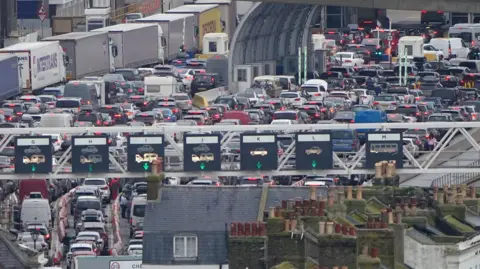
Half-term holidays traditionally represent one of the busiest periods for cross-Channel travel, with thousands of families seeking continental vacations during the week-long school break. The convergence of this predictable travel surge with the full operationalization of the new EU border system has prompted port authorities to issue detailed guidance on expected wait times and recommended arrival procedures. Officials have highlighted that patience and preparation are essential elements for ensuring smooth passage through the enhanced border controls.
The new border procedures require each traveler to undergo individual processing, which cannot be expedited regardless of travel documentation or status. Unlike the previous system that allowed for faster passage for British citizens, the new framework treats all third-country nationals—including UK citizens—according to identical protocols. This represents a fundamental departure from pre-Brexit arrangements and reflects the European Union's commitment to strengthened external border security measures.
Port management has coordinated with ferry operators and governmental agencies to increase staffing levels and optimize processing infrastructure during the peak half-term period. Additional border force personnel have been scheduled, and technological systems have been calibrated to handle increased data processing demands. Despite these preparations, officials remain candid about the likelihood of extended queuing times, particularly during peak hours when multiple ferry sailings converge with arriving vehicle traffic.
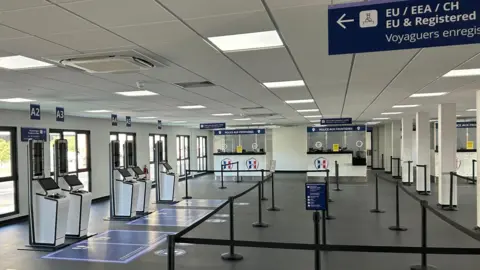
Travel industry analysts have noted that the combination of school holiday timing and the new regulatory environment presents unprecedented challenges for UK-EU travel logistics. Tour operators and travel agents have begun advising clients to factor in substantially longer border crossing times when planning itineraries, potentially adding two to three hours to journey times during peak periods. This guidance reflects the collective experience of industry stakeholders observing the system's performance in its initial weeks of full implementation.
The European Union's decision to fully implement the EES system across all external borders reflects broader security and immigration policy objectives. The system is designed to enhance the EU's ability to track third-country national movements, identify potential security threats, and manage irregular migration more effectively. However, the operational consequences for routine travel have proven more substantial than initially anticipated, particularly during high-volume periods.
Dover Port has published detailed recommendations for travelers, including suggestions to book specific ferry crossing times in advance, arrive at the terminal well ahead of departure schedules, and prepare all required documentation for rapid presentation to border officials. The port has also emphasized that carrying valid passports, proving return tickets or accommodation bookings, and demonstrating financial means to support one's stay abroad remain essential requirements for smooth border passage.
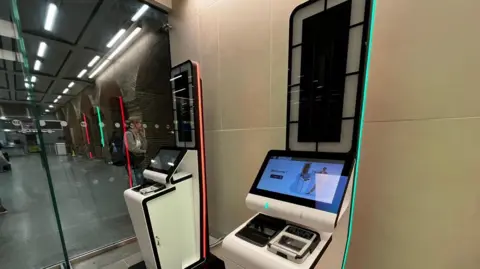
The situation underscores the ongoing adjustment period following the United Kingdom's departure from the European Union and the subsequent implementation of new bilateral travel and trade frameworks. While negotiations have addressed many aspects of UK-EU relations, the practical mechanics of border management continue to evolve as both jurisdictions refine their procedures and accommodate new regulatory requirements. The half-term period will serve as a significant test case for the robustness and scalability of the current system.
Accommodation providers and tourist attractions in popular continental destinations have also been notified of potential delays in visitor arrivals, allowing them to adjust schedules and manage guest expectations accordingly. Some businesses have proactively communicated with their UK-based clients, advising them to depart earlier than previously typical to compensate for anticipated border delays. This cascading impact demonstrates how border system changes ripple across entire travel and tourism ecosystems.
Looking forward, port officials indicated that performance data gathered during the half-term period will inform future optimization efforts and help refine operational procedures. Continuous improvement initiatives are anticipated as both port staff and border authorities gain experience with the new system's practical application at scale. The goal remains to eventually streamline the process while maintaining the security and regulatory compliance objectives that motivated the system's implementation in the first place.
For travelers planning to cross the Channel during the upcoming half-term break, the overarching message is one of preparation and realistic expectation-setting. Early arrival, complete documentation, and familiarity with the new procedures represent the most effective strategies for minimizing frustration and ensuring timely passage through Dover Port. As the EU border control system becomes increasingly routine, wait times are expected to normalize, but the immediate period will demand patience and flexibility from all involved parties.
Source: BBC News


